A week of missiles, hurricanes and floods

Anita Gabriel
1. What do you think was the most remarkable/significant thing that happened this week?
It rained missiles, hurricane and floods, hence there was very little to like about the week.
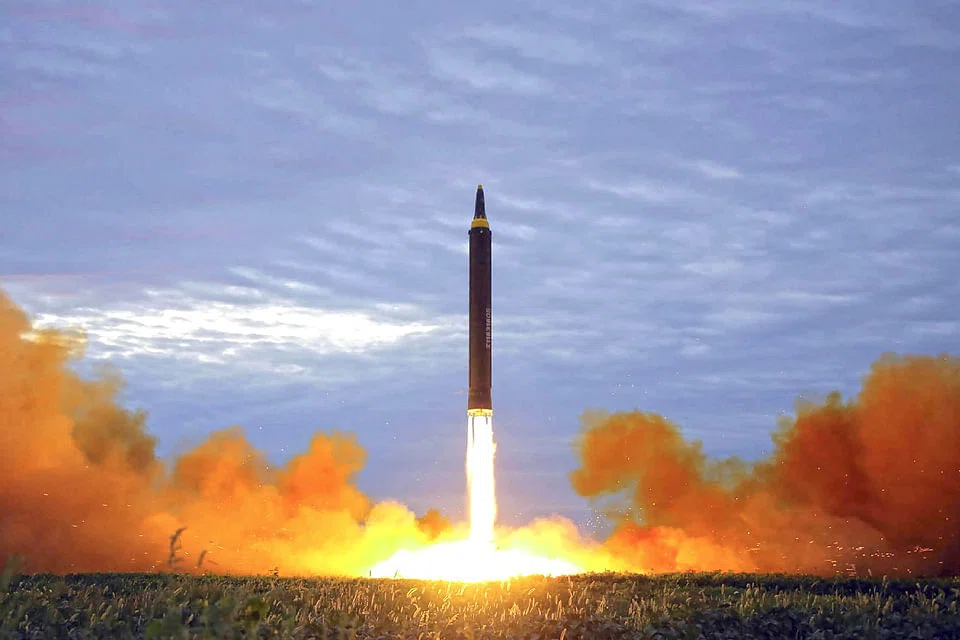
In the early hours of Tuesday morning, North Korea fired a mid-range ballistic missile that flew over Japan - a close US ally - and landed in the sea. The move sparked big-time fears. "Is this the start of World War III?" may have raced through the minds of many across the world.
Japan's Prime Minister Shinzo Abe called North Korea's latest move a "reckless action" and a "grave threat"; the United Nations Security Council condemned it as "outrageous". "All options are on the table," said US President Donald Trump.
Yet, Pyongyang was unmoved, describing its latest launch as a "real war" and warned of more missile tests as a prelude to further action against the US territory of Guam. If North Korea wanted to get the world's attention, it did.
But it was the torrential rain in both developed and developing countries that took centre stage over the week. In Bangladesh, Nepal and India, over 1,000 people were killed by flooding and landslides brought about by heavy monsoon rains. The situation could get even more grave as the monsoon season typically lasts till end-September. Hurricane Harvey - the "worst rainfall disaster" and "one of the costliest storms" in US history - which wreaked havoc inTexas, is causing tragic deaths and has so far displaced over 30,000 people from their homes.
Beware, nature's wrath?
2. Why is this a big deal?
The toll from these catastrophes on Texas and South Asia is staggering with the death toll climbing daily. In South Asia, the worst flooding in more than a decade there has impacted at least 24 million people.
While the "human toll is incalculable", estimates of the damages caused by Hurricane Harvey are around US$30 billion and climbing as it hasn't stopped raining in Texas. The recent extreme weather-related devastation, many suspect, is an outcome of a warming world and has once again renewed the debate on the link between climate change and the "wilder and weirder" weather in recent years.
There is a simple hypothesis that backs up the correlation - warmer sea surfaces and air hold more moisture, which leads to heavy rainfall while rising sea levels can worsen storm surges.
Three years ago, then-UK Prime Minister David Cameron said that he "very much suspects" the heavy rains that led to massive floods in the UK were linked to climate change. Australia witnessed the hottest summer ever in 2013 which was linked to bushfires and severe flooding in its north-east, which in turn were attributed to human-caused climate warming.
The world needs to fix this and calling out the culprit(s) could help with more effective mitigating options in the face of such disasters.
3. Did you see it coming?
The severity of the flooding and extent of rainfall, particularly in Houston has shocked forecasters. There are now reports that another threat is brewing in the US - Tropical Storm Irma - that could turn into a hurricane although at this point, no one can say for certain.
4. Should anyone be worried?
Everyone should be worried about rising weather-related calamities. Each year, natural disasters, compounded by climate change and conflict, reportedly cause more than US$500 billion in losses. The new millenium began with deadly climate-related disasters - the great floods in Thailand in 2011, Super Storm Sandy in the US in 2012 and Typhoon Haiyan in the Philippines in 2013, to name a few. Singapore has reason to worry too. The weather has become hotter over recent years. The mean sea level in the Straits of Singapore has also risen, while more instances of short, intense rainfall have been recorded over the last two years, according to Singapore's National Climate Change Secretariat on its website.
5. What happens now?
Given the catastrophic risks, countries all over the world are likely to rethink their preparedness in the face of natural disasters. Do they have an effective architecture in place for recovery and resilience before disaster strikes? Indeed, time for some deep circumspection.