

For 1MDB, it cannot be business as usual

Anita Gabriel
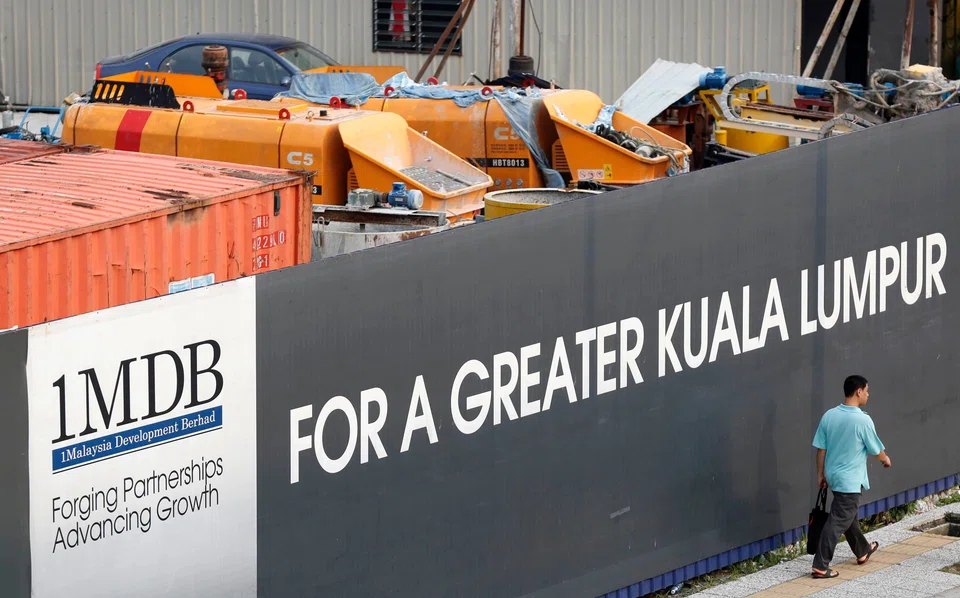
THE high-profile probe into 1Malaysia Development Bhd (1MDB) may appear frustratingly slow with nary an update on its progress, but the state-backed firm's plan to divest land parcels in the Tun Razak Exchange (TRX) financial district to overcome its anaemic cash position is clicking at a higher pace.
There is something unsettling about that.
Can it truly be business as usual for 1MDB amid a looming probe and widespread allegations over misuse of funds? The other gnawing point: no one appears to have been hauled up so far for questioning, even though none of the allegations against the firm and individuals involved in the firm's dealings has been convincingly denied.
Also, is it right for the board and management of 1MDB to make crucial decisions and undertake fresh business deals given the ongoing investigations by Malaysian regulators into the firm's business practices? They are guiding key business decisions amid an acute lack of clarity on what had actually gone wrong with the firm.
The company's board - except for Arul Kanda who was appointed in January as president and executive director - has remained unchanged despite the loss-making firm's mounting financial woes. Just six months ago, chairman Lodin Wok Kamaruddin had told the public that all was well with the firm.
If 1MDB had aspired for a business-as-usual backdrop to conduct its strategic review, then it should have stepped up its response to the controversy and put the allegations to rest without having to wait for the outcome of the investigations. But it hasn't done this.
It is for this reason that 1MDB's recently disclosed land sale in the TRX to Malaysia's pilgrims fund Lembaga Urusan Tabung Haji for RM188.5 million (S$70 million) sparked outbursts from not just 1MDB's regular critics - opposition politicians, the fiesty former Malaysian leader Mahathir Mohamad and activists - but also drew scrutiny from notable Umno politicians including Deputy Prime Minister Muhyiddin Yassin and Umno Youth chief Khairy Jamaluddin.
The episode indicates the shifting sands in Malaysian politics as Prime Minister Najib Razak's leadership is besieged by the 1MDB scandal, amid vociferous calls for transparency and accountability.
1MDB's deal with Tabung Haji - a savings fund for Muslims planning pilgrimages to Mecca, with some RM45 billion in assets and eight million depositors - was lambasted for several reasons, including most notably a perceived lapse in governance.
The man at the helm of Tabung Haji is Ismee Ismail, who is also a board member of 1MDB, hence raising the thorny issue of conflict of interest; it was clarified over the weekend that he abstained from voting on the deal. Malaysia's Finance Ministry secretary-general Mohd Irwan Serigar, who insiders say is currently tasked with tackling 1MDB's financial dilemma, is not just a director of Tabung Haji but also a member of 1MDB's advisory board, which is chaired by Mr Najib. There are two others who appear to hold conflicted positions in the deal.
The land sale to Tabung Haji was slammed as a "bailout" of ailing 1MDB, given that the land was reportedly acquired by 1MDB from the government for a steal and was sold to the pilgrims' fund for a handsome gain. But following a hue and cry, Mr Najib has since advised Tabung Haji to divest the land to a third party.
No one should be surprised by the backlash. Quite possibly, the seething adverse public reaction would have been no different had it involved another government-linked fund such as Malaysia's Armed Forces Fund, pension fund Kumpulan Wang Amanah Pencen or the Employees Provident Fund.
The reality is that when it comes to 1MDB and for as long as trust remains broken and the outcome of the probe is not yet known, commercial merits on their own are insufficient grounds to embark on any deals, in whatever shape and form, involving the firm and public funds.
TRENDING NOW

Government to bring forward raising of retirement age, give employers more financial support to create flexi-load jobs
Former minister Maliki Osman, Revolut chairman join Asia Gulf Holdings advisory board

Is Manila Asia’s new dining hot spot?

Simba at risk of losing operating licence over spectrum misuse

