

Why the Greek deal will work
With key conditions apparently in place for sustainable recovery in Greece, the Tsipras government should have little problem supporting its debt burden.
 Add BT as a preferred source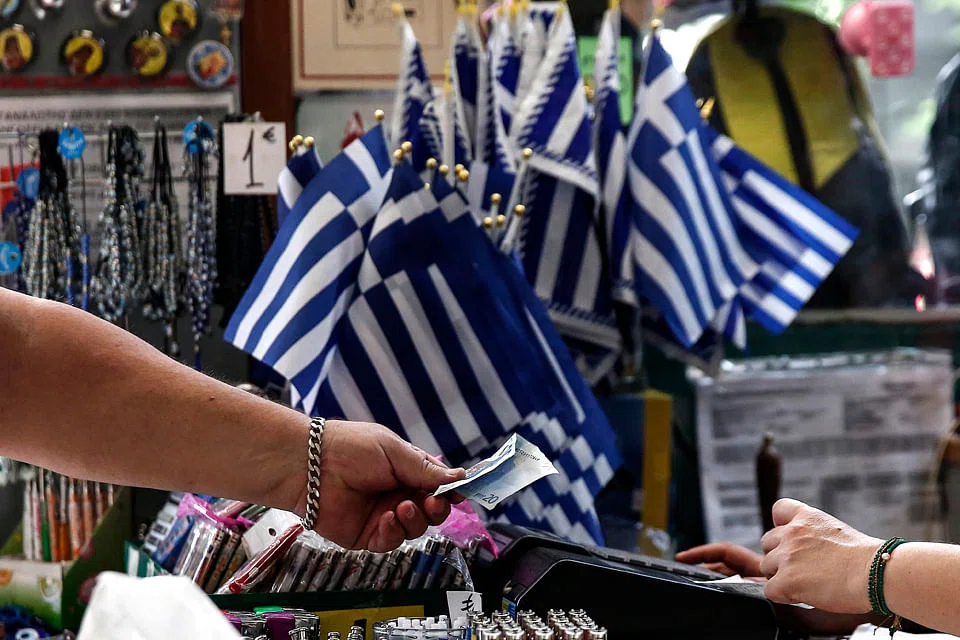
DeeperDive is a beta AI feature. Refer to full articles for the facts.
London
NOW that Greek banks have reopened and the government has made scheduled payments to the European Central Bank (ECB) and the International Monetary Fund, does Greece's near-death experience mark the end of the euro crisis? The conventional answer is a clear no.
According to most economists and political commentators, the latest Greek bailout was little more than an analgesic. It will dull the pain for a short period, but the euro's deep-seated problems will metastasise, with a dismal prognosis for the single currency and perhaps even the European Union (EU) as a whole.
Share with us your feedback on BT's products and services
TRENDING NOW

Ministry of Home Affairs Permanent Secretary Pang Kin Keong to retire

Shelving S$5 billion office redevelopment plan proved ‘wise’ as geopolitical risks mount: OCBC chairman

Richard Eu on how core values, customers keep Singapore’s TCM chain Eu Yan Sang relevant
China pips the US if Asean is forced to choose, but analysts warn against reading it like a sports result

