

How China's rich are shaping national policymaking
For the first time in the country's history, private entrepreneurs are actively involved in the preparation of the national five-year plan.
 Add BT as a preferred source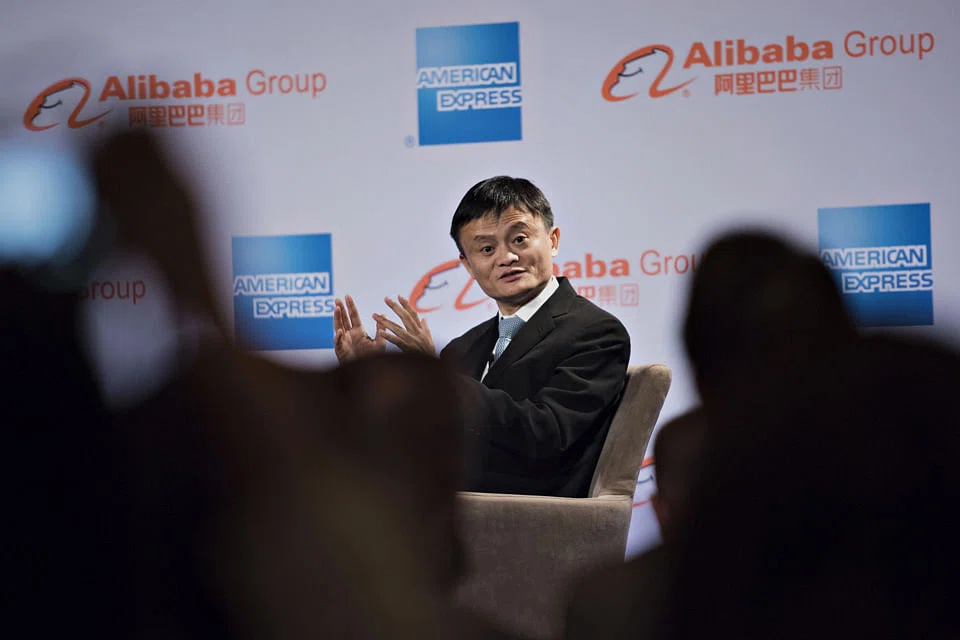
DeeperDive is a beta AI feature. Refer to full articles for the facts.
AT the annual meeting of the National People's Congress that began on March 5, one group clearly stands out - the 114 of the nearly 3,000 delegates of the National People's Congress (NPC) that are on the Hurun list of richest Chinese.
China's richest people account for close to 4 per cent of the members of the body that officially acts as China's national legislature. This high level of representation is at least somewhat ironic in a nation that still follows Communist doctrine.
But in a departure from the past, China's most successful - and obviously well connected - private entrepreneurs aren't there just for the prestige or to show off. They want to influence policymaking.
Share with us your feedback on BT's products and services
TRENDING NOW
Ministry of Home Affairs Permanent Secretary Pang Kin Keong to retire
Shelving S$5 billion office redevelopment plan proved ‘wise’ as geopolitical risks mount: OCBC chairman

Richard Eu on how core values, customers keep Singapore’s TCM chain Eu Yan Sang relevant

China pips the US if Asean is forced to choose, but analysts warn against reading it like a sports result

