

How much longer can Opec hold out?
Geopolitical and economic realities are threatening to undermine the 12-member group's production strategy.
 Add BT as a preferred source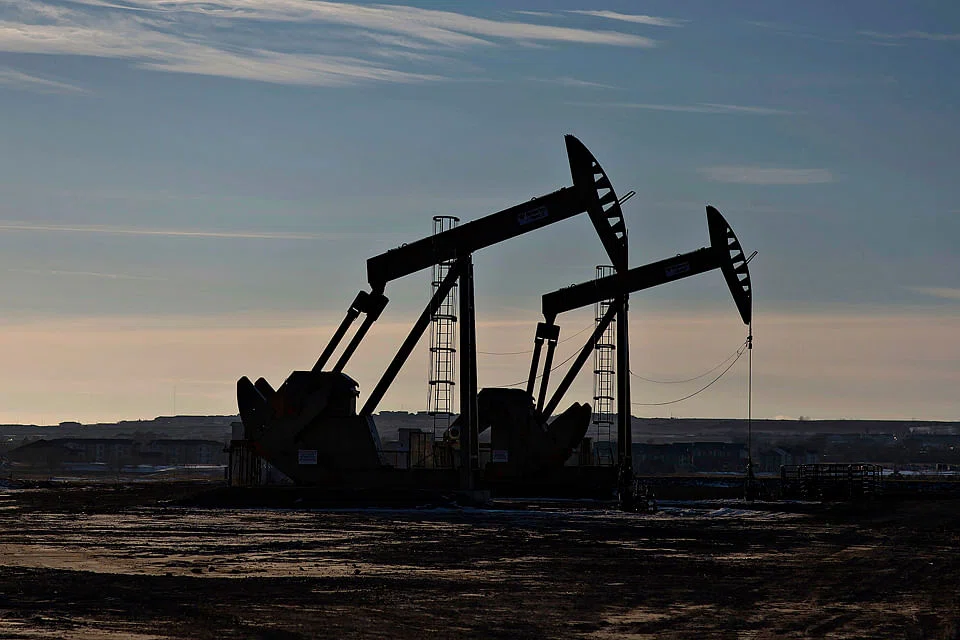
THE Organisation of Petroleum Exporting Countries (Opec) has been the most talked about international organisation among investors, analysts and international political lobbies in the last few months.
When Opec speaks, the world listens in rapt attention as it accounts for nearly 40 per cent of the world's total crude output. With its headquarters in Vienna, Austria, one of the mandates of the 12-member Opec is to "ensure the stabilisation of oil markets in order to secure an efficient, economic and regular supply of petroleum to consumers, a steady income to producers, and a fair return on capital for those investing in the petroleum industry".
However, Opec has been in the line of fire from the western world in light of its stance of not reducing the production levels of its member nations (excluding Iran). Most view this as a strategy to squeeze the American shale production and production from other non-Opec nations.
TRENDING NOW

Self-claimed wealth gurus who drove Lamborghinis now made bankrupt; investors worry about their S$5m
Asia-Pacific aviation: is up really the only way?
NDR 2026: Singapore to create new Western island to support 'new generation of industries'
BYD profit rises for first time in 5 quarters on overseas growth, pointing the way out of China car slump

