

Luxury retailers face a new reality in HK
Sales have declined at a double digit rate because Chinese shoppers have diverted their holidays and discretionary spend elsewhere.
 Add BT as a preferred source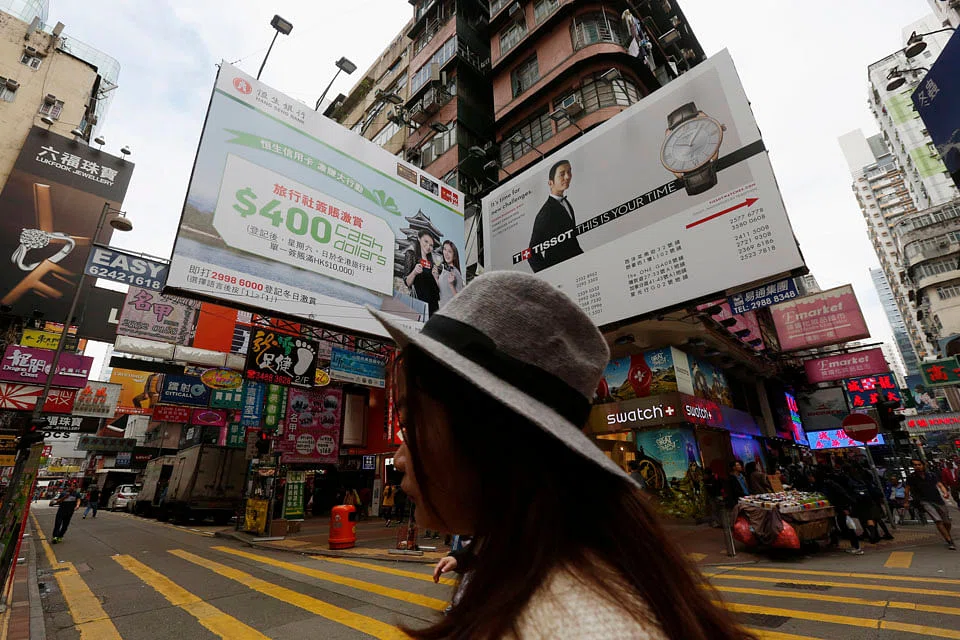
DeeperDive is a beta AI feature. Refer to full articles for the facts.
2015 was a terrible year for the luxury goods sector. The Middle East respiratory syndrome (Mers) outbreak in South Korea, Chinese stockmarket volatility and unusually warm weather all contributed to a poor retail environment. However, the main drag was Hong Kong where sales declined at a double digit rate because Chinese shoppers diverted their holidays and discretionary spend elsewhere. I went to Hong Kong to see whether this deterioration is a temporary problem or indicative of a structural change, and to understand the consequences for the luxury goods sector.
The golden decade
Hong Kong used to be the prime shopping destination for Chinese tourists. The introduction of the Individual Visit Scheme in July 2003 marked the beginning of a decade of unprecedented growth in mainland Chinese visits to Hong Kong. Before the introduction of the scheme, a little over seven million mainland Chinese residents visited Hong Kong on an annual basis. Ten years later, that number has grown to 44 million, an astounding increase of over 500 per cent. To put this into perspective, that number of mainland Chinese visitors to Hong Kong exceeded the total number of all inbound tourists to the UK in the same year (34.4 million).
Copyright SPH Media. All rights reserved.
TRENDING NOW

Shelving S$5 billion office redevelopment plan proved ‘wise’ as geopolitical risks mount: OCBC chairman

Eurokars Group introduces rental car franchises Enterprise Rent-A-Car, National Car Rental, and Alamo to Singapore
20 photos that show how dramatically Singapore has changed in two decades
Singapore’s key exports up 15.3% in March from electronics surge, exceeding forecasts

