

Rising from the ashes of the Asian financial crisis
Over the past 20 years, the region's financial markets have changed for the better and are well placed for future growth.
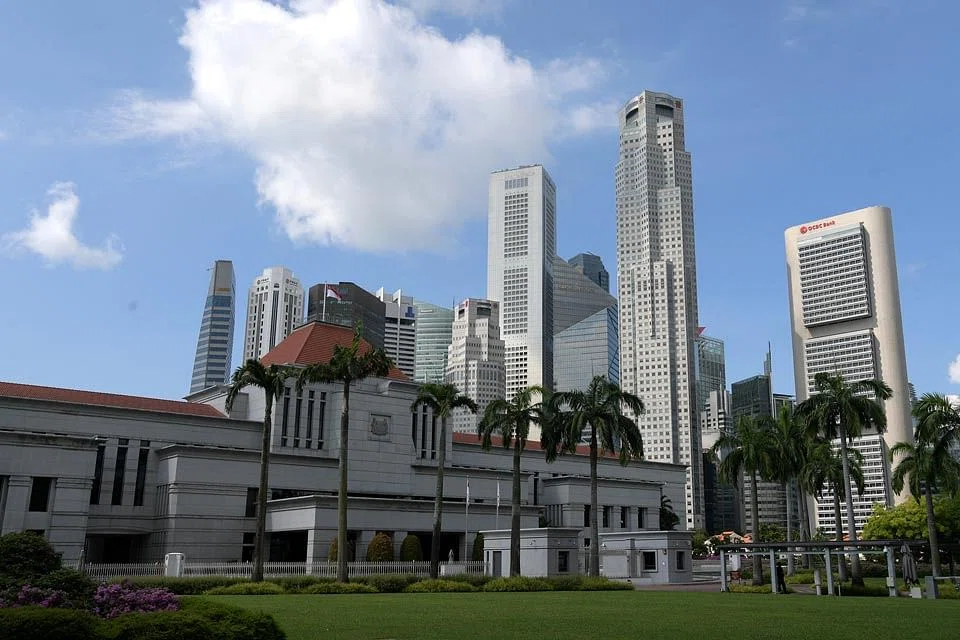
MUCH has been written on how Asian markets have changed since the Asian financial crisis 20 years ago. While some of this does not paint a positive picture, my experience is that over the past 20 years, financial markets in Asia have changed for the better and are well placed for future growth.
The crisis began in 1997, six years after I first arrived in Asia. What began as an attack on the Thai baht by currency speculators quickly spread into a financial crisis precipitated by a history of foreign debt financing domestic investments, creating a mismatch in currencies and maturities.
This created negative economic performance and the devaluing of markets and gross domestic product (GDP) to varying degrees in a range of different economies including Indonesia, South Korea, Thailand, Malaysia, Hong Kong and Singapore.
Nevertheless, Asian financial markets generally rose quickly from the ashes of the crisis and today are some of the more resilient economies around. While financial markets can always do more to improve, over the past 20 years, a deep and functioning Asian capital market has developed that has benefited businesses and society alike. The reasons why are really twofold.
Firstly, a stronger and more liquid domestic capital market emerged in many of the Asian markets, including Singapore. As countries looked to move away from relying on borrowing foreign currency, there was an increase in local currency-denominated loans, and a much more active role for domestic banks emerged. Today, Asian banks dominate and in fact lead the rankings of the world's largest banks by assets.
The development of a local bond market following the crisis is an example of where Asean countries, along with other nations such as China and Japan, have created better functioning capital markets. The launch of the Asian Bond Markets Initiative in 2002 with the Asian Development Bank is an example of this.
Secondly, local regulators have strengthened the domestic banking sector through consolidation and other measures, such as working with banks to reduce non-performing loans and improve lending practices. In Singapore, we went from six banking groups down to three. Other affected countries, such as Malaysia, also made good progress in consolidating and reforming their banking industries.
After the crisis, the Singapore government was quick to put into place a regulatory system so that the country would be protected from future shocks. An example is how the government has on several occasions acted to cool real estate prices in a bid to promote a sustainable market that is not susceptible to failure.
Globally, Singapore is participating in high profile forums aimed at reviewing issues relating to financial governance. Deputy Prime Minister Tharman Shanmugaratnam was recently appointed chairman of the G-20's Eminent Persons Group on Global Financial Governance which monitors global financial governance and the work of global financial institutions such as the World Bank and the International Monetary Fund.
Regionally, governments have fostered a stronger dialogue in order to stop future crises from occurring. The Asean Capital Markets Forum (ACMF) brings together capital markets regulators from the 10 Asean nations twice a year to discuss the harmonisation of rules, regulations and integration. A recent initiative has been the introduction of plans for a regional standard for Green Bonds.
ACTING RESPONSIBLY
Singapore businesses have also acted more responsibly, taking part in global industry forums and government reforms, aiming to create healthier and better-functioning capital markets locally and more broadly across Asia. This year, the Singapore Exchange (SGX) and the Shanghai Pudong Development Bank agreed to work more closely together to strengthen capital market ties, with OCBC and UOB also signing similar deals with counterparts in Shanghai.
Improvements to markets have led to a wider choice of more sophisticated investment opportunities, while the region has undergone massive wealth accumulation. This has led to the growth of non-bank financial institutions such as sovereign wealth funds, insurance companies, pension funds and institutionalised family offices, and a shift towards them expanding their portfolios and diversifying risk into safe and stable revenue-generating assets.
As a result, Asian investors and businesses are now increasing their outbound investments, while foreign businesses continue to see investment opportunities in Asia. This two-way flow of investment was generally uncommon before the crisis. As capital markets evolve and mature, it is refreshing to see investors work with international partners to look further afield and capture these outbound opportunities.
A recent example of outbound investment flow which we participated in as financer and joint underwriter was Hong Kong's CC Land Holdings' acquisition of London's iconic Leadenhall Building (aka The Cheesegrater) - the largest acquisition of a single building in the UK since December 2014. Another example is GIC's acquisition of student housing at Aston University's campus in central Birmingham in the UK. These kinds of investments embody all that is good following the Asian financial crisis, and shows how far regional markets have come in maturity, and how the appetite of Asian investors has changed.
The positive changes made following the crisis have kick-started a revolution in Asian financial markets. Markets have continued to evolve and change for the better, creating a more efficient, stable and transparent environment to do business, facilitating a productive two-way flow of investment between Asia and the rest of the world.
In Singapore, this evolution is healthily ongoing. A recent example is the launch of the government's green bond grant scheme, which was rolled out earlier this year. These initiatives of course have an environmental and socially responsible focus, and demonstrate the appetite for investors to diversify away from the types of markets that helped trigger the crisis.
What this does for societies in Asia is enhancing the prospects and livelihoods of their citizens. The development of capital markets in Asia has laid down the foundations for the stable economic growth that we have seen in Asia over the past 20 years. Investing in new ways can only help to serve the people of these countries as large institutional investors seek to match their liabilities as well as the outlook of customers, be they insurance firms, sovereign wealth funds or pension funds.
This is not to say, of course, that the region is not without risks. However, capital markets are in a better place than they were before the crisis, and Asian nations and their people can only benefit from this.
TRENDING NOW
Singapore expects all parties to honour commitments, says PM Wong after Indonesia cuts gas exports

China’s US$3.5 trillion stock rout deepens as profits sink, major stimulus stays elusive

Gas supply cut from Indonesia accounts for less than 2% of Singapore’s daily gas demand: EMA

Singapore’s central gas buyer affirms Indonesia’s role as ‘important partner’ amid export review warning

