

Sony hacking stirs US-North Korea diplomatic storm
The unfolding episode underlines the potential for business decisions to become intertwined with foreign relations among states and companies.
 Add BT as a preferred source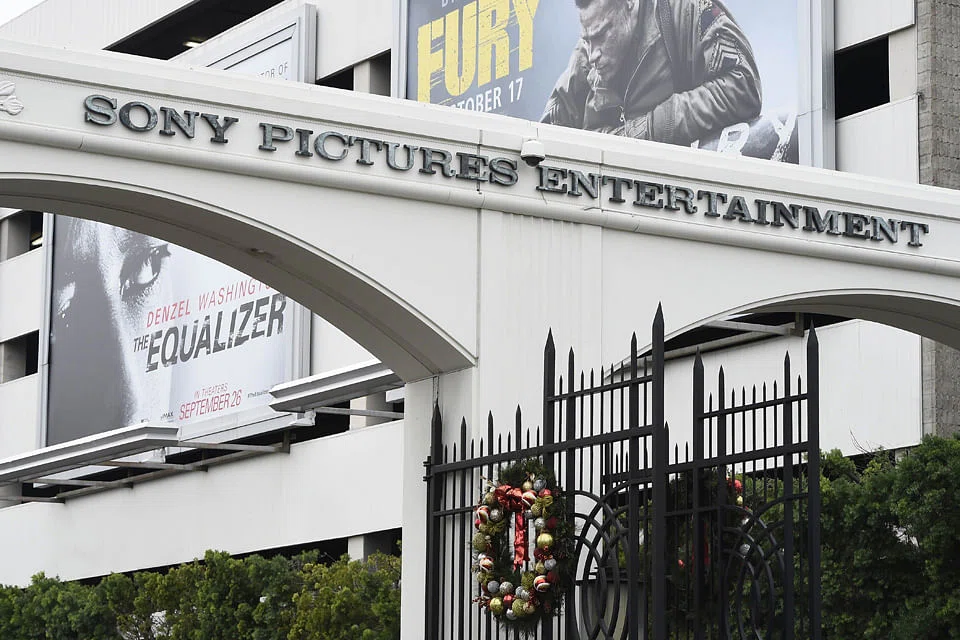
DeeperDive is a beta AI feature. Refer to full articles for the facts.
PRESIDENT Barack Obama declared on Sunday that the US was considering putting North Korea on its list of state sponsors of terrorism following the cyber attack against Sony Pictures Entertainment. While Mr Obama said that the cyber move was not an "act of war", as Republican Senator John McCain has declared, he has pledged that Washington will respond at a time and manner of its own choosing.
This latest twist in what is becoming a significant diplomatic incident follows Pyongyang's offer on Saturday to host a joint inquiry with Washington into the attack. Despite Mr Obama's assertion that there is evidence from the FBI that the North Korean regime was behind the cyber attack, the latter has criticised the US government for "spreading groundless allegations" and warned of "grave consequences" if the administration refuses the offer of a joint inquiry.
The incident has put Sony Pictures Entertainment, the US subsidiary of Japanese-headquartered multinational Sony, in the international diplomatic spotlight. Firstly, the firm has been condemned by North Korea for making the satirical movie The Interview, the fictional plot of which includes a plan to assassinate its leader Kim Jong-un, for undermining the "dignity of (the country's) supreme leadership".
Copyright SPH Media. All rights reserved.
TRENDING NOW

From 1MDB to ‘corporate mafia’: Is Malaysia facing a new governance test?

Higher costs, lower returns: Why are Singaporeans still betting on real estate?

South-east Asian markets account for 8.8% of global capital inflows from 2021 to 2024: report

Richard Eu on how core values, customers keep Singapore’s TCM chain Eu Yan Sang relevant

