

The case for sovereign green bonds
Singapore can take steps to increase access to the green bond market by leveraging its established financial infrastructure and geography to become a green finance hub in South-east Asia.
SUSTAINABLE investing, green finance and green bonds - these are "buzz words" used by governments, financial institutions and corporations around the world, but what do they actually mean?
Green bonds are akin to conventional bonds in many ways. Pricing, issuance structures and transaction costs are similar, and they are listed, traded and regulated in much the same way as other bonds. Like conventional bonds, green bonds are based on the creditworthiness of the issuer and are risk-weighted and credit-rated using the same methodology. The key distinguishing feature of green bonds is that issuance proceeds of green bonds are expressly allocated to new and existing projects which yield environmental benefits.
There are a number of factors influencing sovereigns' growing interest in issuing green bonds, including their commitments under the Paris Agreement (the world's first comprehensive and legally binding climate agreement adopted by 195 countries outlining the contribution required of each country to achieve global greenhouse gas emissions reduction targets), a potentially lower cost of funding (or easier access to lower-cost funding) and the perennial global need for sustainable infrastructure and energy project development and funding.
There are significant advantages to issuing green bonds which are not offered by conventional bonds. As current market demand for green instruments significantly outstrips supply, green bonds provide relatively easy access to a large and diverse funding pool, which can result in a low-cost injection of capital to finance green infrastructure and energy projects and enable investors and issuers across a diverse range of sectors to meet environmental protection and sustainability objectives.
In short, green bonds:
It has been almost 10 years since the World Bank issued the first green bond and, in that short period, the market's depth and volume has expanded to such a degree that green issuances are now considered mainstream.
Green bonds started in the supranational space, so logic suggests that they should have, by now, spread to the sovereign space. Instead, corporate and financial issuers made the market popular with investors and brought principles and increased standardisation to the market. As of the end of 2016, financial institutions dominated the issuer type for green bond issuances, followed (in order) by non-financial corporates; public, project and infrastructure companies; development banks; funds and asset-backed securities; and, lastly, sovereigns. For nations that must raise large amounts of capital to meet environmental targets and the infrastructure projects that underpin them, green bonds are one of the most readily accessible and economical funding options available.
In addition, sovereigns are uniquely positioned to be able to stimulate the market through favourable fiscal policy which encourages market participants to "go green" in order to gain a competitive advantage or take advantage of a cost-saving incentive. However, even though some sovereigns have laid foundations for entering the market, they have been slow to issue. To date, there have only been a handful of sovereign green bond issuances. Poland was the first mover in late 2016 and France kicked off 2017 with a record-breaking seven billion euro issuance with a 22-year term. Most recently, we have seen Fiji, the first emerging market sovereign issuer, come to market.
The overall distribution of issuer types is unlikely to change any time soon. However, there are indicators that more sovereigns are gearing up to issue, particularly as many countries have now created, or are in the process of creating, legislative frameworks that will facilitate green issuance in the future.
In the meantime, we expect to see a rise in the number of sub- and quasi-sovereign green bond issuers coming to market. In some cases, it may be easier to start small to issue green bonds tailored to local circumstances, rather than lead with a sovereign issue. For example, Sweden, which is considered among the greenest nations, has not yet issued a sovereign green bond because the strength of its economy is such that its government does not require debt finance. However, Sweden's second largest city, Gothenburg, required funds to aid in its modernisation after the decline of its local shipping economy, so in 2013 it issued the world's first sub-sovereign green bond.
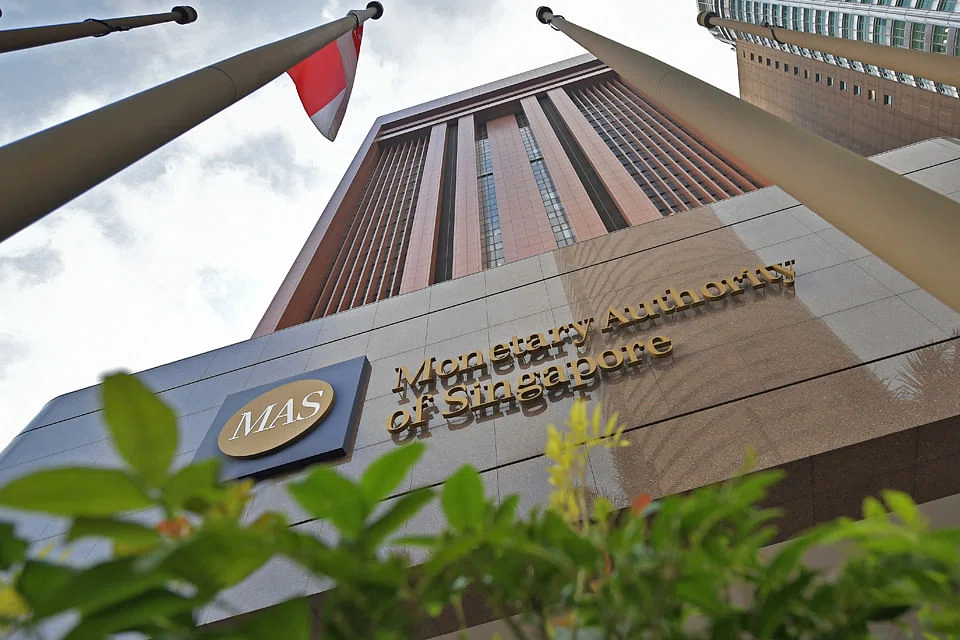
Earlier this year, City Developments (CDL) became the first Singapore company to issue a green bond through its two-year senior secured green bond issuance. This was followed by DBS, which became the first financial institution in Singapore to issue a green bond. Both issuances generated strong interest from investors. The Singapore government is also taking steps to encourage green bond issuance and market participation. In March this year, Lawrence Wong, Minister for National Development and Second Minister for Finance, stated that the Monetary Authority of Singapore (MAS) will "seek to promote the development of a wider range of sustainability-oriented benchmarks, funds and products" to cater to a growing regional demand, starting with green bonds.
He also recognised the potential to develop a green bond market through a variety of methods. For example, in recognition of the additional financial burden of making a bond green (attributable to, obtaining an external review for green bonds), MAS has put in place a Green Bond Grant scheme designed to alleviate this financial burden. Under the scheme, qualifying issuances can offset such additional expenses through a grant of up to S$100,000 per issuance.
Through the provision of such subsidies and/or other incentives (such as tax credits), though not directly facilitating government issuance, private sector participation can be catalysed, which can help promote the development of green infrastructure projects and is crucial to "greening" Singapore's economy.
Singapore could take three key steps to encourage green bond issuance and market participation:
Set-up a green bond listing platform
The Singapore Stock Exchange (SGX) could set up a green bond listing platform or segment, similar to those already established by the London, Oslo, Luxembourg and Johannesburg Stock Exchanges. Creating a specialised green bond listing platform or a dedicated segment provides the product with a bespoke set of rules and admission criteria, greater visibility and transparency and encourages secondary market trading.
This would better enable the SGX to support the development of the local green bond market, by listing bonds compliant with certain green criteria or green listing rules, tracking the performance of green assets and placing it in a position where it can provide guidance on green securities to market participants.
Leverage China's Belt & Road initiative
While China's Belt and Road (B&R) initiative is more focused on developing economies which require heavy infrastructure development and, therefore, may not be directly relevant for Singapore, the potential increase in infrastructure development and expenditure as a result of B&R activity in Singapore's neighbouring countries could present opportunities for Singapore's finance - including green finance - industry.
In particular, B&R activity presents Singapore with an opportunity to take the lead in facilitating green finance projects under the B&R initiative. The scale of China's B&R ambitions will inevitably require private investment, and Singapore's established capital market and geography makes it a natural infrastructure finance hub for the Asia-Pacific region. For instance, to the extent that B&R activity is funded through green bonds, the SGX has an opportunity to position itself as a leading green bond listing venue in the region.
Take the lead in setting standards for the green bond market
If Singapore is open to embracing a more regulation-led, rather than market-led, development of its green bond market, it could also look to other countries in the region, that have gone one step further by taking legislative steps to facilitate green issuance.
For example, China and India have both worked with global bodies to develop regulatory frameworks for the issuance of green bonds aligned with the global green bond market, while addressing their unique domestic circumstances. In the case of China, despite only entering the market in 2015, it was the world's biggest issuer of green bonds by the end of 2016, spurred by the development and implementation of official mandatory green bond guidelines and policy initiatives.
Closer to home, Malaysia launched an SRI Sukuk Framework in 2014, and while this did not yield immediate issuances, SRI Sukuk are now being issued pursuant to this framework, such as the Tadau Energy and Quantum Solar Park issuances this year. The Financial Services Authority of Indonesia also announced plans to launch a regulatory framework for green bond issuance in the coming months.
More recently, on a pan-Asean level, the Asean Capital Markets Forum (ACMF) launched the Asean Green Bond Standards (Asean GBS), which provide more tailored guidance on how the International Capital Market Associations' Green Bond Principles (still the most widely accepted international green standards benchmark) can be applied across the region.
This development has the potential to enhance transparency and efficiency for investors and issuers and encourage greater uniformity in the development of green products across South-east Asia. Singapore could also look to the Asean GBS as a point of reference to steer the development of its own green finance policies.
It is the combined responsibility of governments, financial institutions and corporates to ensure environmental sustainability. The economic and environmental benefits of issuing green bonds are becoming increasingly apparent and the stage is set for further growth in the green bond market in 2018, fuelled, we would expect, in part by more sovereign issuances.
Even if a Singaporean sovereign green bond issuance is not on the immediate horizon, Singapore is ideally positioned to leverage its established financial infrastructure and its geography and, with the right balance of regulations, policies, public investment and private sector participation, it could well become the future hub of green finance in South-east Asia.
*White & Case Pte. Ltd is licensed to operate as a foreign law practice in Singapore. Where advice on Singapore law is required, we will refer the matter to and work with licensed Singapore law practices where necessary
TRENDING NOW

Could stablecoins be the future of money?

Once staunchly pro-China, Malaysian Chinese businesses are now distancing themselves from Beijing

Vietnam’s data-centre investment rush faces reality check on power and site constraints

‘My grandfather’s legacy’: Sherman Kwek lays out three-year plan for CDL to drive returns

