

The hidden tax you pay for waiting
More attention should be paid to reducing 'time taxes', which can have serious adverse effects on people's well-being
 Add BT as a preferred source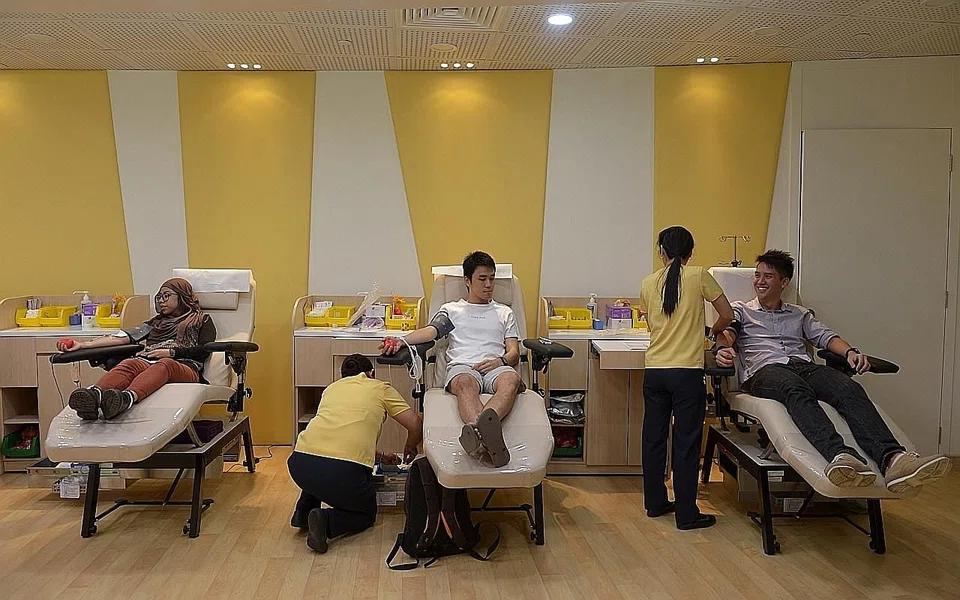
DeeperDive is a beta AI feature. Refer to full articles for the facts.
IMAGINE that whenever you planned to do volunteer work, the government told you that you must also pay a small tax. Or suppose that whenever you gave money to charity, you were charged a levy. Or that every time you gave blood, you had to start by writing a cheque to the Internal Revenue Service.
Fortunately, most countries don't tax people for good deeds. But private and public institutions do - by taking up too much of people's time. And like all taxes, a "time tax" discourages people from engaging in the particular behaviour that it penalises.
Striking evidence for this comes from a new study by Australian economics professor Robert Slonin. With the help of a large data set from the Australia Red Cross Blood Service, Prof Slonin and his co-authors quantified how variations in waiting time affected the likelihood that blood donors would come back to give again.
Share with us your feedback on BT's products and services
TRENDING NOW

From 1MDB to ‘corporate mafia’: Is Malaysia facing a new governance test?
Higher costs, lower returns: Why are Singaporeans still betting on real estate?

South-east Asian markets account for 8.8% of global capital inflows from 2021 to 2024: report

Richard Eu on how core values, customers keep Singapore’s TCM chain Eu Yan Sang relevant

