

Toshiba fraud a deafening wake-up call for better corp governance in Japan
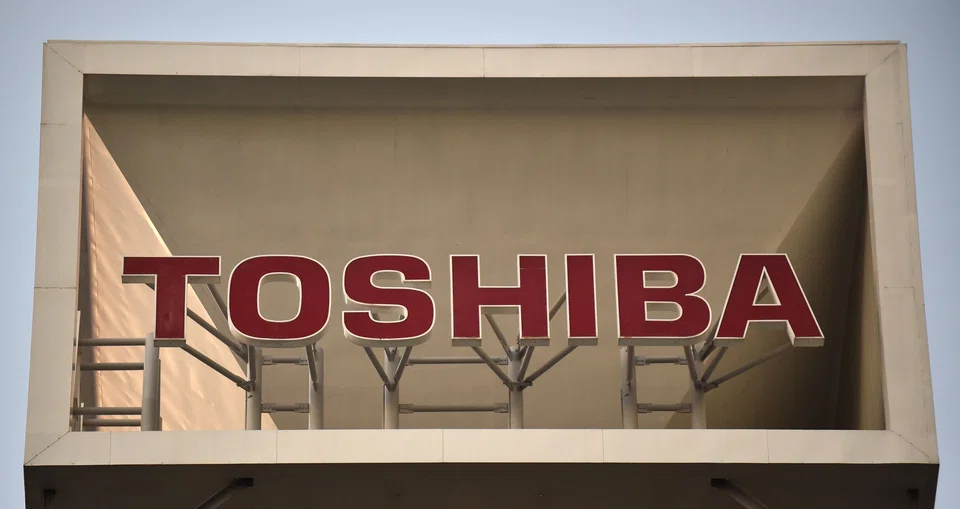
THE sense of deja vu as findings about Japan's latest corporate scandal came to light in recent weeks was all the more dismal for the fact that the company involved is one of the country's biggest conglomerates, a respected multinational that's a household name in many parts of the world and, to boot, a corporate governance pioneer of sorts back home.
Coming more than a dozen years after a rash of high-profile cases of corporate malfeasance in America led to sweeping regulatory reforms, the discovery that Toshiba had "systematically" overstated operating profits by US$1.2 billion over a stretch of several years is remarkable in many respects, beyond the sheer audacity of a no-holds-barred management mindset, sans scruples, driven to meet targets. And the Toshiba fraud - the biggest since the Olympus fiasco in 2011 - will almost certainly not be the last, observers say.
In one sense, the findings unearthed by a panel of external lawyers and accountants - whose initial probe into Toshiba's construction projects was later widened to cover the entire group - were not entirely surprising: browbeaten division heads pressured by top management to misstate numbers and inflate profits is symptomatic of a corporate culture marked by unquestioning loyalty and reluctance to question authority on the part of lifelong career executives. Toshiba's auditing - both internal and external - was also found wanting, with its audit committee including two former diplomats who weren't particularly financially savvy, with apparently no background in financial reporting. The episode has also put the focus on the audit industry in Japan, with questions about whether the low audit fees paid by Japanese companies affected the quality of the audits.
Yet the diversified consumer and industrial electronics company (whose origins date back to 1845) had been for years a poster child of Japanese corporate governance, one of the country's top- ranked for good governance practices in 2013, and was even featured as a case study in a recent book that detailed its multiple layers of compliance checks. Toshiba's financial irregularities have also come to light just over a month after a new corporate governance code - aimed at making companies more open to investors, and part of Prime Minister Shinzo Abe's reforms to boost Japan's competitiveness - took effect in June. Yet Toshiba was by all accounts a seemingly enlightened early adopter of corporate governance best practices - it brought in external directors back in 2001 when Japanese boardrooms were still dominated by long-time company insiders.
The silver lining, if it can be seen as such, is that some remedial actions came fast and furious soon after the scandal broke. Eight top Toshiba executives, including the president and two predecessors, resigned, while the interim chief executive will have his pay slashed by 90 per cent for the next two months. Eight other senior executives will take a 40 per cent pay cut for three months. The company - which has lost about US$4 billion in market capitalisation since May - has promised measures to stem the irregularities, including the hiring of more independent directors. Change (especially in long-entrenched cultural practices) may not come quickly or dramatically - but real internal changes within Japanese boardrooms are needed to spur governance reforms in the country.
TRENDING NOW

SoftBank’s Son plans US$50 billion Malaysia tech outlay: Anwar Ibrahim
Singapore expects all parties to honour commitments, says PM Wong after Indonesia cuts gas exports

Gas Supply may pursue remedies if contract breached following Indonesia’s export cuts: Tan See Leng

Why the biggest business decision about AI isn’t which model to choose

