

High stakes for gaming across Asia-Pacific
It is a key driver for international visitation in the region, and, if done correctly, can add value to local economies
 Add BT as a preferred source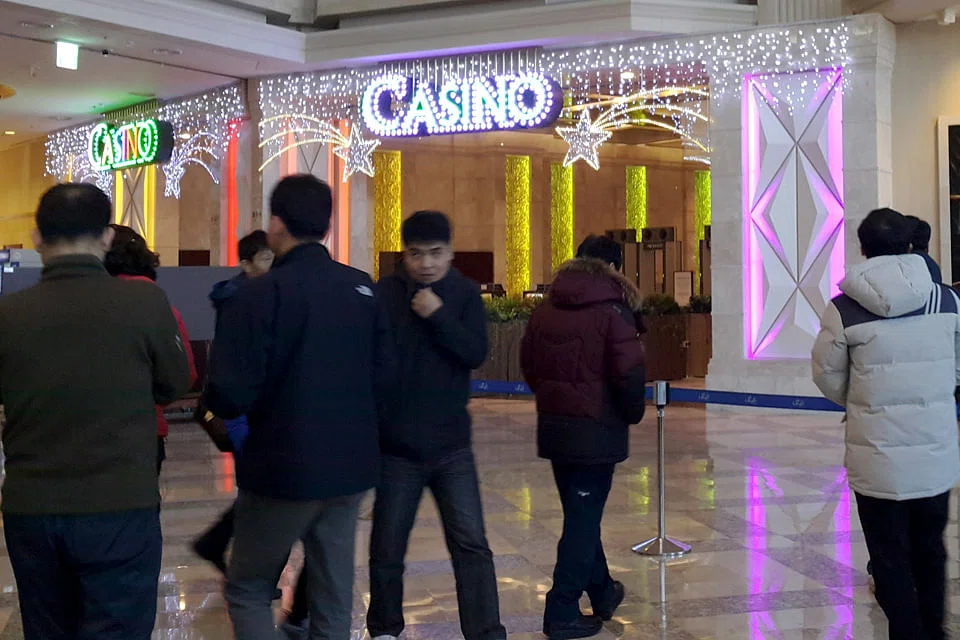
DeeperDive is a beta AI feature. Refer to full articles for the facts.
SIGNIFICANT and perhaps lasting changes took place in the gaming industry across the Asia-Pacific last year. The clamp-down on conspicuous spending and money laundering in mainland China has led to a 34.3 per cent decrease in gross gaming revenues (GGR) in Macau alone, with the VIP/junket segment being decimated. Further, it appears that it is mainly Cambodia that has largely benefited from the fallout in Macau, with Cambodia's largest casino in Phnom Penh NagaCorp witnessing a 27 per cent increase in profit for 2015 from the previous year.
Asian gaming has shifted rapidly to new norms and will continue to do so. Previous levels of frustrated and latent demand are quickly absorbed as new supply enters the market, and as governments across Asia realise they are leaving money on the table (or giving it away in some cases) by not penetrating the gaming market, and taxing it at the right levels. This, combined with slowing growth in demand, means that investors are no longer witnessing the eye-watering returns as with previous investments and that they must be more discerning. The reality is that the game is changing.
The slowdown in the growth of the Chinese and wider Asian gaming market was inevitable. Gaming is largely a discretionary leisure spend, and therefore will be subject to cyclical events and changes in consumer behaviour. We expect the new norm for Asian gaming to be centred on the idea of integrated resorts (IR) in one form or another, as this is seen as the most politically acceptable and diversified offering that can have a wider appeal. However, the region is not a one-size-fits-all scenario and one must consider each market individually.
Copyright SPH Media. All rights reserved.
TRENDING NOW

Shelving S$5 billion office redevelopment plan proved ‘wise’ as geopolitical risks mount: OCBC chairman

Eurokars Group introduces rental car franchises Enterprise Rent-A-Car, National Car Rental, and Alamo to Singapore
20 photos that show how dramatically Singapore has changed in two decades
Singapore’s key exports up 15.3% in March from electronics surge, exceeding forecasts

