
Mad about math
Dealing with dodgy data and shabby statistics is all in a day's work for David Spiegelhalter, president of the UK's Royal Statistical Society
 Add BT as a preferred source
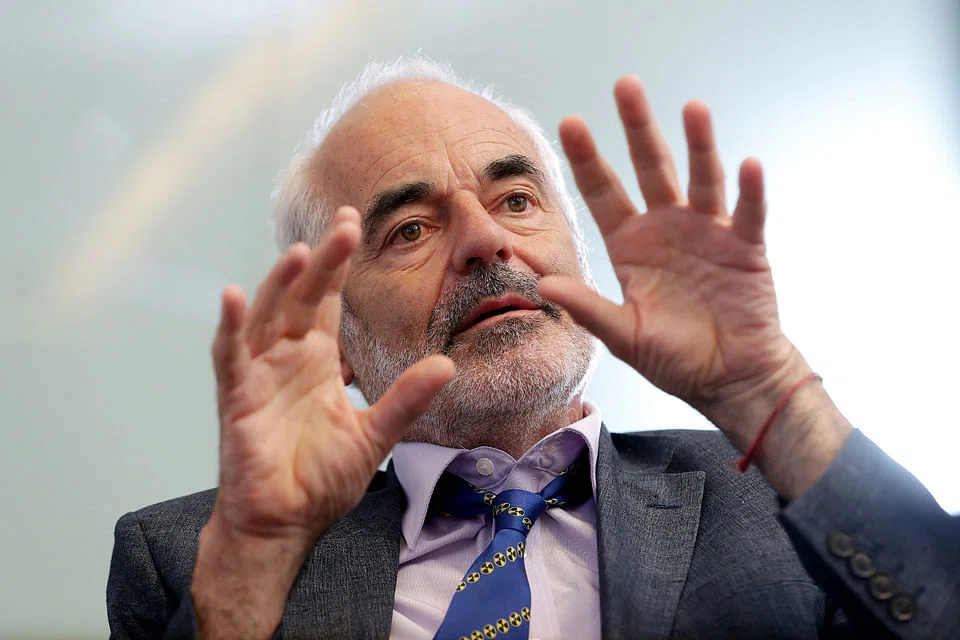

WHEN an abnormally high number of babies died in heart surgery in a hospital in Bristol in the United Kingdom in the late 1990s, investigators running a public inquiry turned to David Spiegelhalter for statistical help. And when British authorities wanted to find out whether one of the country's most prolific serial killers - Harold Shipman, a doctor who reportedly murdered more than 200 of his patients and was caught in the late 1990s because he forged a will - could have been nabbed sooner, Prof Spiegelhalter again answered the call.
"We concluded that he (Shipman) could have been caught a lot earlier if somebody had been looking at the data," recalls the statistician, who is president of the Royal Statistical Society in Britain and Winton Professor of the Public Understanding of Risk at Cambridge University.
"It was quite clear that his death rate was way above everybody else's. It was at half past two in the afternoon - between two and three - he used to visit them at home in home visits... injected them with diamorphine, essentially gave them heroin," he recalls. "Nobody looked at the death certificates. All the data was there but nobody was looking."
Copyright SPH Media. All rights reserved.

