
Bringing the lustre back to Japan’s cultured pearls
Ise Shima’s tradition-bound cultivated pearl industry is now looking beyond Japan
 Add BT as a preferred source
Tan Su Yen
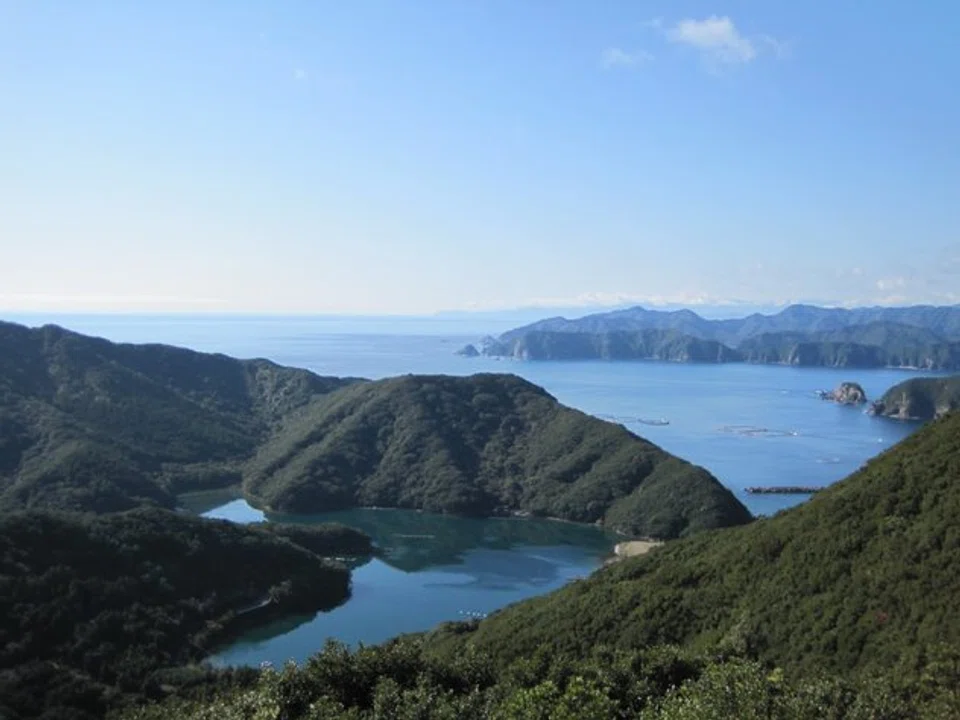

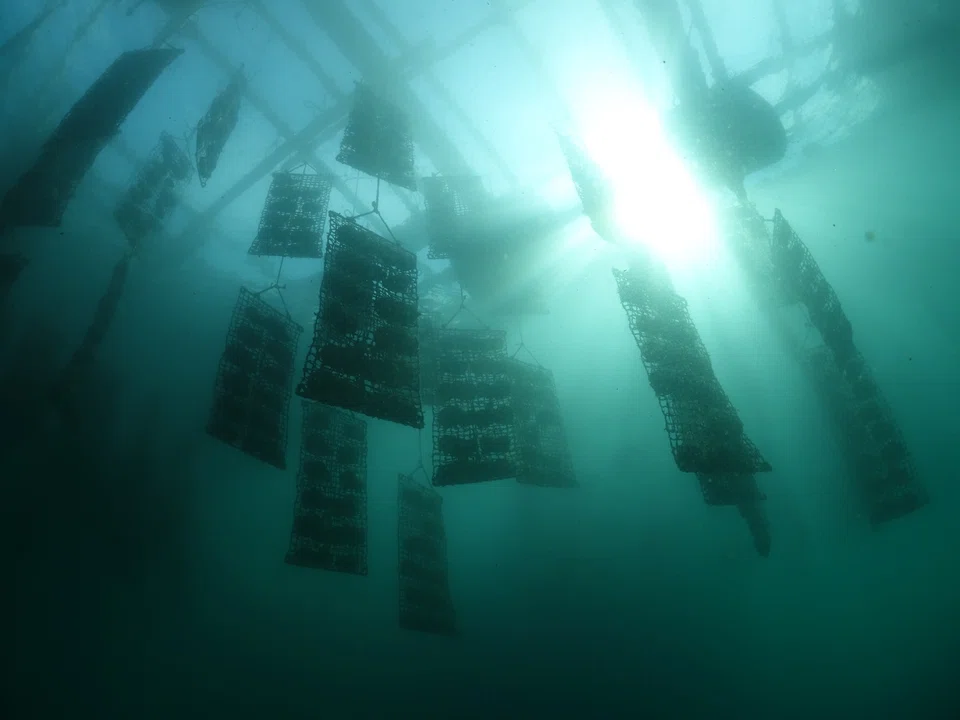
THE mantra “Plant a tree to grow a pearl” is one which pearl farmers of Ise Shima, Japan, hold dear.
Along this winding stretch of Japan’s Pacific coast, fragrant cypress forests – mostly natural, some planted – come right up to the water’s edge. Falling leaves and twigs fertilise the seas. This leads to an abundance of plankton, on which the region’s famous Akoya pearl oysters thrive.
Located 90 minutes by train south of Nagoya, Ise Shima – which encompasses the four cities of Toba, Ise, Shima and Minami-Ise – is the birthplace of cultured pearls.
Decoding Asia newsletter: your guide to navigating Asia in a new global order. Sign up here to get Decoding Asia newsletter. Delivered to your inbox. Free.
Copyright SPH Media. All rights reserved.

