
Medical device cyber threats: More consumer awareness needed
 Add BT as a preferred source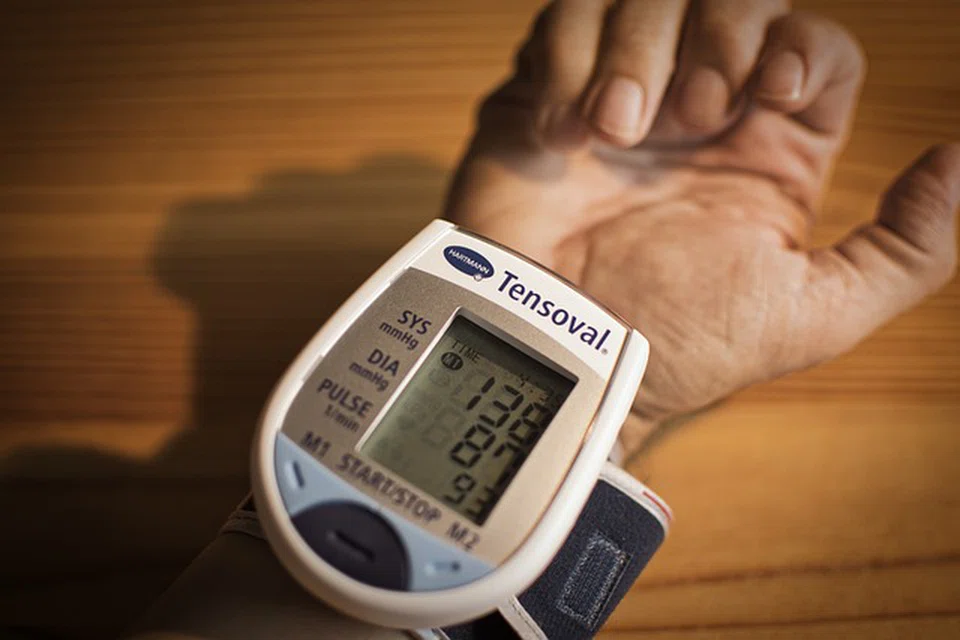
COULD a tiny device implanted in someone’s chest get hacked? While it sounds like science fiction, the possibility exists. Back in 2007, doctors for then US Vice-President Dick Cheney feared that hackers might target his heart defibrillator, a battery-powered device that detects and rectifies irregular heartbeats. To protect Cheney, they had the defibrillator’s wireless feature removed.
“It seemed to me to be a bad idea for the Vice-President to have a device that maybe somebody on a rope line or in the next hotel room or downstairs might be able to get into,” his cardiologist said in an interview.
It has been more than a decade since that episode, and the threat of medical device hacking has grown more significant. Thanks to the Internet of Things (IoT) technology, devices such as insulin pumps and blood pressure monitors are increasingly wearable and transmitting more data over online networks. Over 16,000 (or about 15 per cent) of medical devices in Singapore’s public healthcare can be connected to the Internet.
Decoding Asia newsletter: your guide to navigating Asia in a new global order. Sign up here to get Decoding Asia newsletter. Delivered to your inbox. Free.
Copyright SPH Media. All rights reserved.

