
The Art (Or Crime) Of Seduction
A new book chronicles the changing rules of seduction, from Casanova to #MeToo
 Add BT as a preferred source
Helmi Yusof
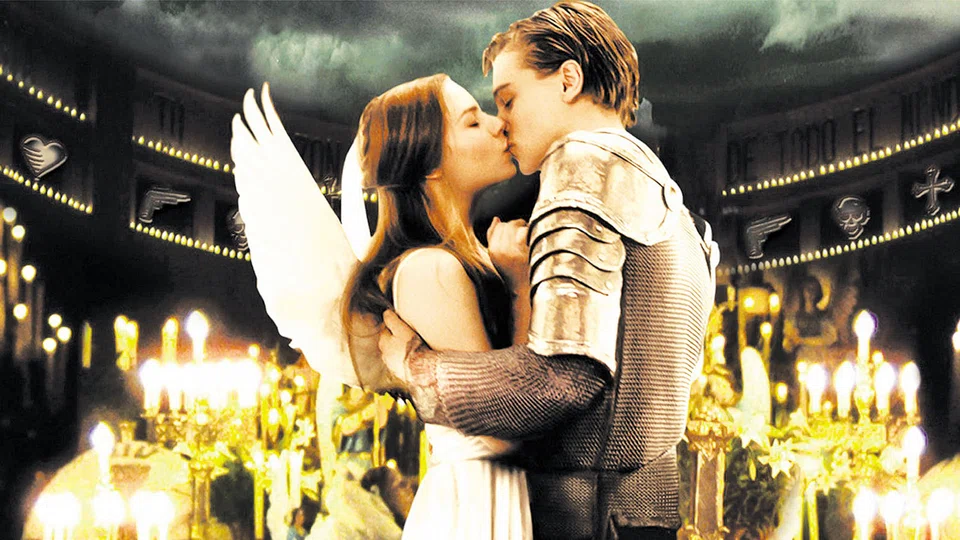
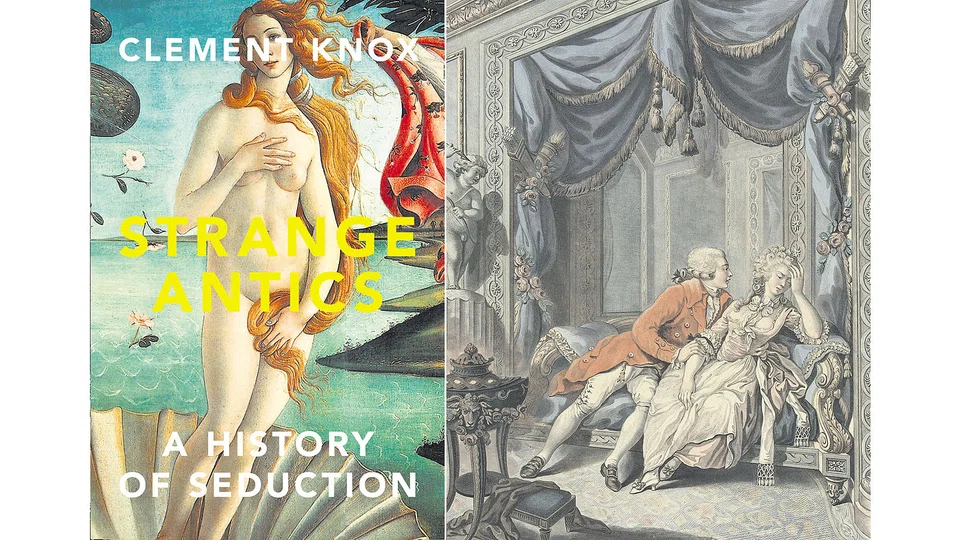
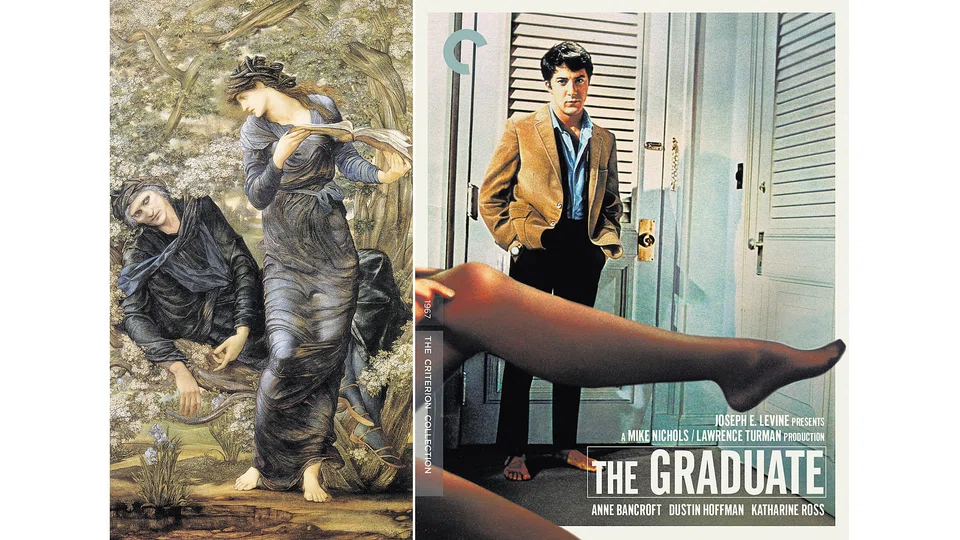
Strange Antics: The History Of Seduction By Clement Knox Publisher: William Collins Hardcover, 528 pages Reviewed by Helmi Yusof
AT THE HEIGHT of the MeToo movement in 2018, 100 French women - including actress Catherine Deneuve and art critic Catherine Millet - signed a anti-MeToo letter defending the right of men to seduce women. They called the movement a "puritanical... wave of purification". They described the act of "trying to seduce someone" as "gentlemanly" and not a "macho attack". They called MeToo a "witch-hunt" that threatens sexual freedom. Beside Deneuve and Millet, the other 98 women were artists, writers and academics.
Needless to say, the letter incited a global outcry among women. The movement, aimed at ending widespread sexual harassment of women, saw the letter as a major betrayal. Subsequently some of the signatories backed down. They said they misunderstood the movement and apologised to victims of sexual harassment and assault. Some signatories, such as Deneuve, still held that men should be allowed to seduce women.
Decoding Asia newsletter: your guide to navigating Asia in a new global order. Sign up here to get Decoding Asia newsletter. Delivered to your inbox. Free.
Copyright SPH Media. All rights reserved.

