
Temasek to delay annual reporting to September amid Covid-19 pandemic
 Add BT as a preferred source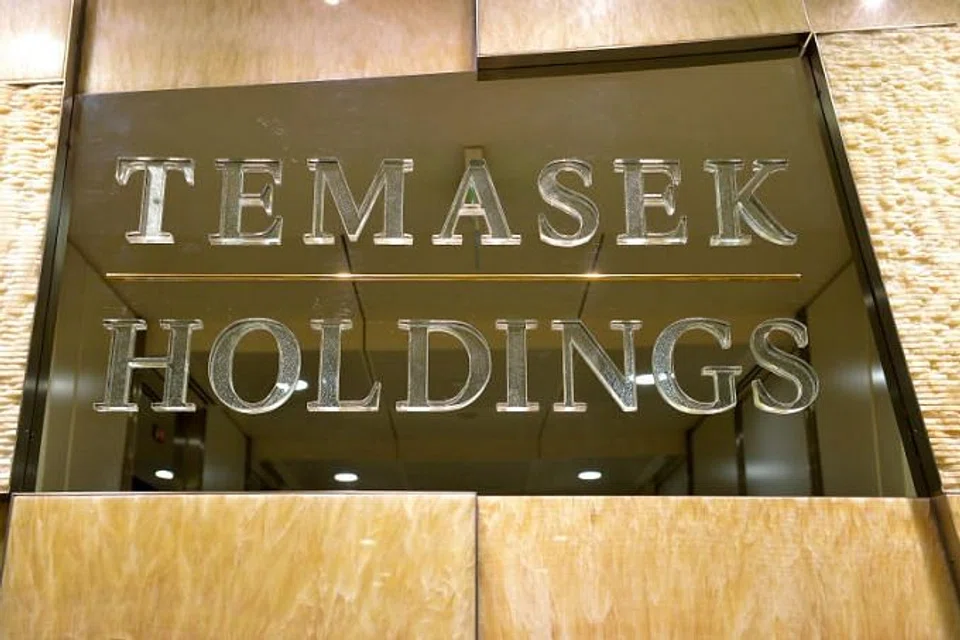
THE annual reporting for Singapore's state investor Temasek Holdings will be delayed from July to September this year amid the Covid-19 pandemic, executive director and chief executive Ho Ching said in a Facebook post on Thursday.
In her post, Ms Ho noted that many Temasek portfolio companies have businesses that span the globe, and that Covid-19 has delayed the financial reporting for many companies, especially those with operations worldwide.
Therefore, Temasek's annual reporting will be pushed back to "accommodate this delay of global consolidation for financial reporting", she said.
Ms Ho added that Temasek works to build a "resilient portfolio for the long term", and that it has been in net cash since 2007/2008 just before the global financial crisis hit.
"Although we didn't anticipate a Covid-19 pandemic, the economic indicators had become worrisome since last year," said Ms Ho, who is also the wife of Prime Minister Lee Hsien Loong.
She said Covid-19 is now a "bigger problem" than expected, and that Temasek has had to "step up to recapitalise Singapore Airlines".
Navigate Asia in
a new global order
Get the insights delivered to your inbox.
In addition, Ms Ho noted that Temasek has been a taxpayer since its inception and has given dividends to shareholders.
Within the Singapore context, the state investor has been contributing to the Budget through the net investment income/net investment returns (NII/NIR) framework, and half of Temasek's expected long-term returns can be used for budget spending, she said.
"Over the last five years, since Temasek contributions were switched to the NIR framework, the NIR contributions from Temasek, GIC and the Monetary Authority of Singapore (MAS) form the largest source of spending power."
She noted that the NIR contributions amount to more than 20 per cent of government operating revenues over the last five years, up from around 15 per cent when Temasek was on the NII framework.
An NII framework allows the government to spend up to 50 per cent of dividends received from Temasek.
"Together, GIC, MAS and Temasek provide the largest single source of government revenues over the last 20 years. Without these, taxes would have to be raised for everyone," said Ms Ho.
Decoding Asia newsletter: your guide to navigating Asia in a new global order. Sign up here to get Decoding Asia newsletter. Delivered to your inbox. Free.
Copyright SPH Media. All rights reserved.

