
Closing gender gaps
Letting employees control their schedules goes a long way in improving work conditions for women
 Add BT as a preferred source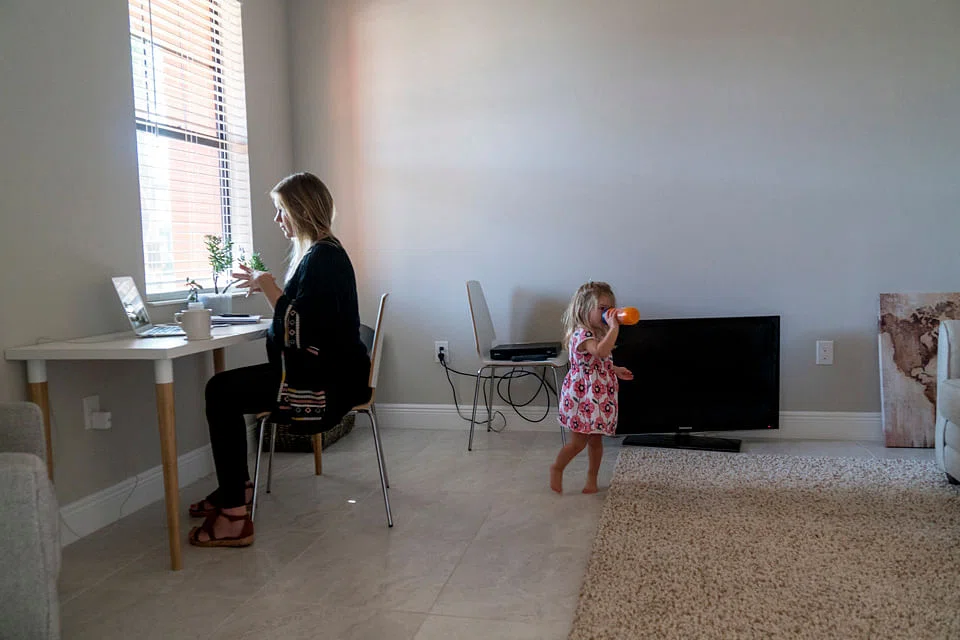

THE main reason for the gender gaps at work - why women are paid less, why they're less likely to reach the top levels of companies, and why they're more likely to stop working after having children - is employers' expectation that people spend long hours at their desks, research has shown.
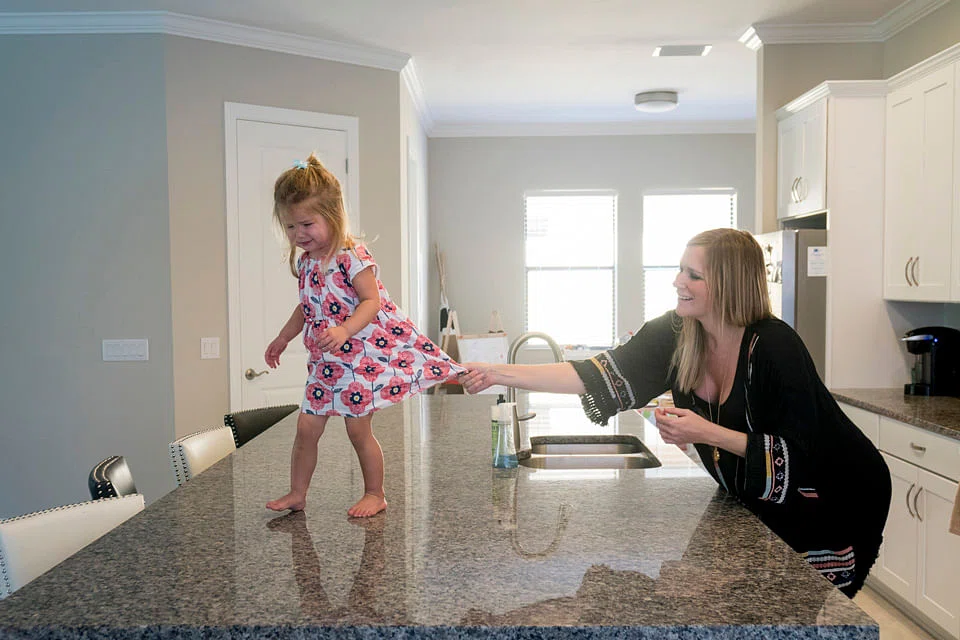
It's especially difficult for women because they have disproportionate responsibility for care-giving.
Flexibility regarding the time and place that work gets done would go a long way towards closing the gaps, economists say. Yet when people ask for it, especially parents, they can be penalised in pay and promotions. Social scientists call it the flexibility stigma, and it's the reason that even when companies offer such policies, they're not widely used.
Copyright SPH Media. All rights reserved.

