
Sydney house prices climb ahead of central bank rates decision
 Add BT as a preferred source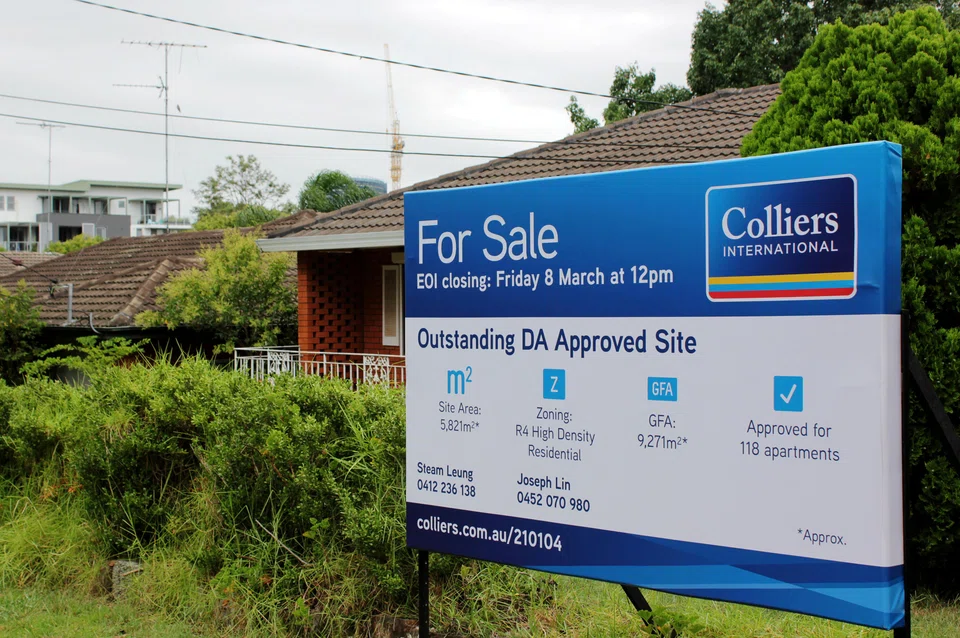
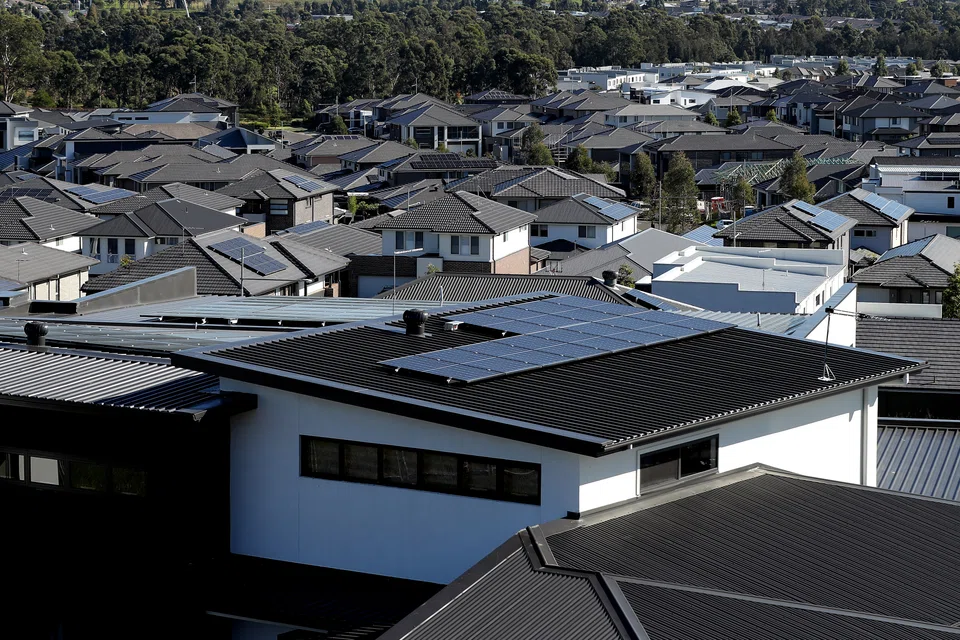
SYDNEY property prices, the bellwether for the Australian market, climbed for a second straight month in March in a positive sign for nationwide home values that have been hammered by soaring interest rates.
Prices in Sydney rose 1.4 per cent last month after advancing 0.3 per cent in February, data from property consultancy CoreLogic showed. Still, they remain down 12.1 per cent for the 12 months ended March.
Melbourne and Brisbane posted more modest gains last month, and the combined capital cities index increased by 0.8 per cent.
Signs of stabilisation in the housing market will be welcomed by the nation’s central bank as it tries to engineer a soft landing in its struggle to bring down inflation. The Reserve Bank of Australia (RBA) feared a possible 20 per cent peak-to-trough drop by the end of 2024, in a worst case scenario presented in an analysis last year.
The data showed a 9 per cent decline from the April 2022 peak in the national capital city index, CoreLogic said. The drop came as the RBA delivered its most aggressive tightening cycle since 1989, driving up borrowing costs by 3.5 percentage points between May and March to tamp down consumer prices.
The RBA is expected to pause tightening on Tuesday (Apr 4) after 10 consecutive hikes, money market pricing shows. Economists, meanwhile, are split: Commonwealth Bank of Australia and Westpac expect it to stand pat at 3.6 per cent, while ANZ Bank and Goldman Sachs Group see another quarter-point hike.
Navigate Asia in
a new global order
Get the insights delivered to your inbox.
Low supply levels, tight rental markets and increased demand from overseas migration were supporting house prices, said Tim Lawless, research director at CoreLogic.
“Although interest rates are high, and there is an expectation the economy will slow through the year, it’s clear other factors are now placing upwards pressure on home prices,” Lawless said.
Still, borrowing costs are expected to remain elevated until at least late 2024 as inflation remains sticky, which could weigh on any growth.
“We might see a pretty sustained period of higher rates before we see cuts,” said Peng Yew Wong, a senior lecturer at RMIT University in Melbourne. “That means borrowers will need to pay higher repayments.”
“So that is a factor that will weigh on the market despite the positive from population growth and housing shortage,” Wong added. “It’s hard to tell.”
Affordability and supply are likely to remain challenging for some time, Australia’s National Housing Finance and Investment Corp (NHFIC) said in a separate report.
“The rapid return of population growth is coinciding with the fastest increases in interest rates for several decades, undermining residential construction feasibilities and weakening the pipeline of new housing,” the NHFIC said in a statement.
Tight supply of labour and materials, and bad weather, had also impacted housing construction in Australia, it said. The NHFIC is forecasting a recovery in housing supply after 2025-26 as macroeconomic conditions shift. BLOOMBERG
Decoding Asia newsletter: your guide to navigating Asia in a new global order. Sign up here to get Decoding Asia newsletter. Delivered to your inbox. Free.
Share with us your feedback on BT's products and services

