Bookstores in Malaysia reinventing themselves with lifestyle offerings
Besides books, there is everything from art galleries to boutique cafes that are helping to lure the crowds
Tan Ai Leng

WHEN Singapore-based Times Bookstores shut its last physical outlet in Malaysia this May, it marked the end of another brand name in the industry as more bookstores have in recent years either gone out of business completely, or moved their operations fully online.
Times Bookstores - which at one point had at least 5 stores in Malaysia’s Klang Valley - is among those that now only sells its books and other offerings on its online platform. Over the years, several major retailers such as Borders and MPH have also scaled back on their operations.
Between 2018 and June this year, a total of 97 bookstores have shuttered in Malaysia, according to data from the Malaysian Booksellers Association (MBA), which has more than 100 members operating around 2,000 bookstores across the country.
Prolonged Covid-19 lockdowns, high rents, intense competition from online bookstores and a growing preference for digital content are among the many reasons causing bookstore operators to end their brick-and-mortar business, MBA president and Malaysian Book Industry Chamber chairman Keith Thong told The Business Times.
Despite the exit or downsizing of some major players, the industry in Malaysia is still displaying signs of vibrancy, with several new entrants in the market in recent months.
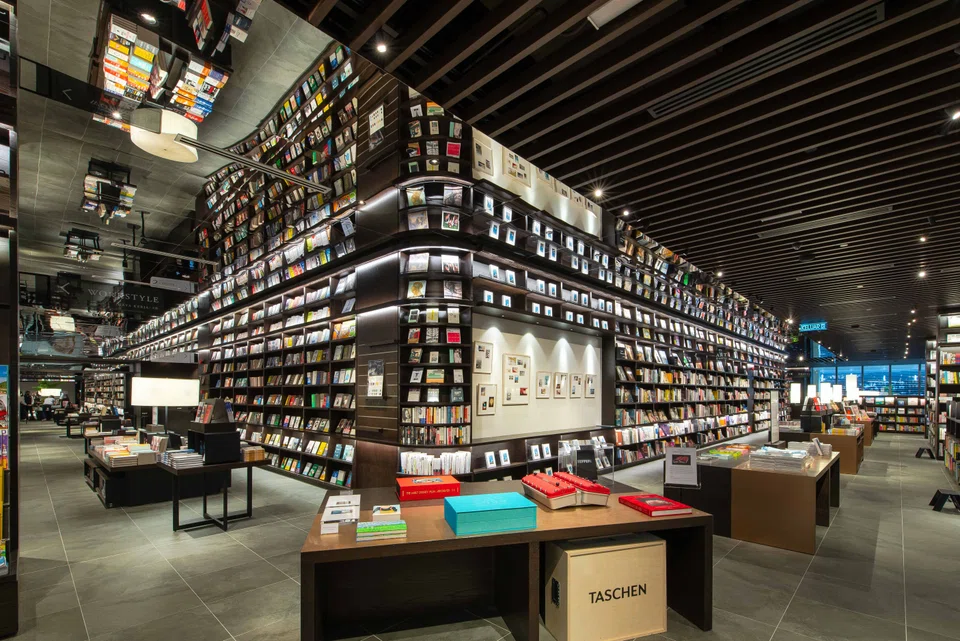
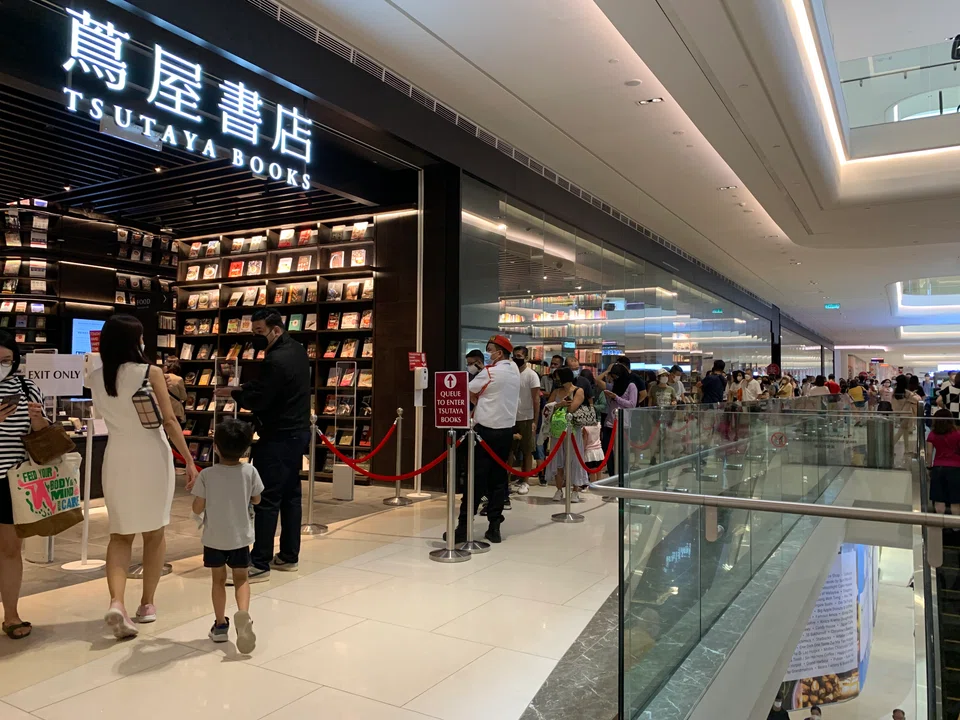
Last month, Japan’s largest bookstore chain Tsutaya Books opened its first store in Malaysia at the Pavilion Bukit Jalil mall through a joint venture with Kuala Lumpur-based property developer Global Oriental.
The store has attracted thousands of visitors since its opening, and there are usually long queues waiting to enter the store every weekend - an uncommon sight for a bookstore in Malaysia.
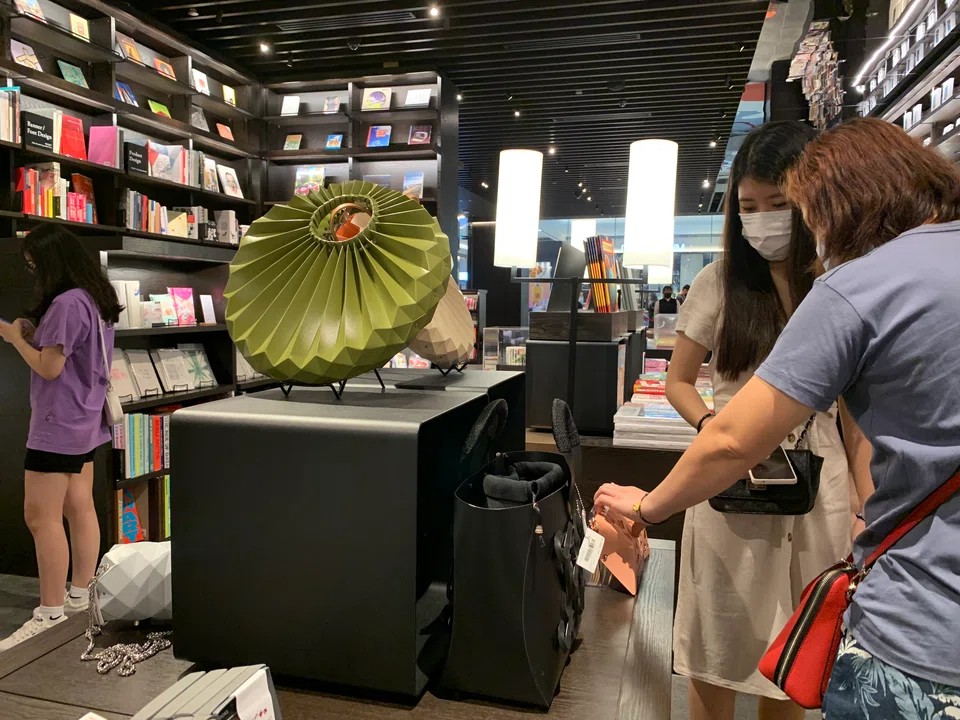
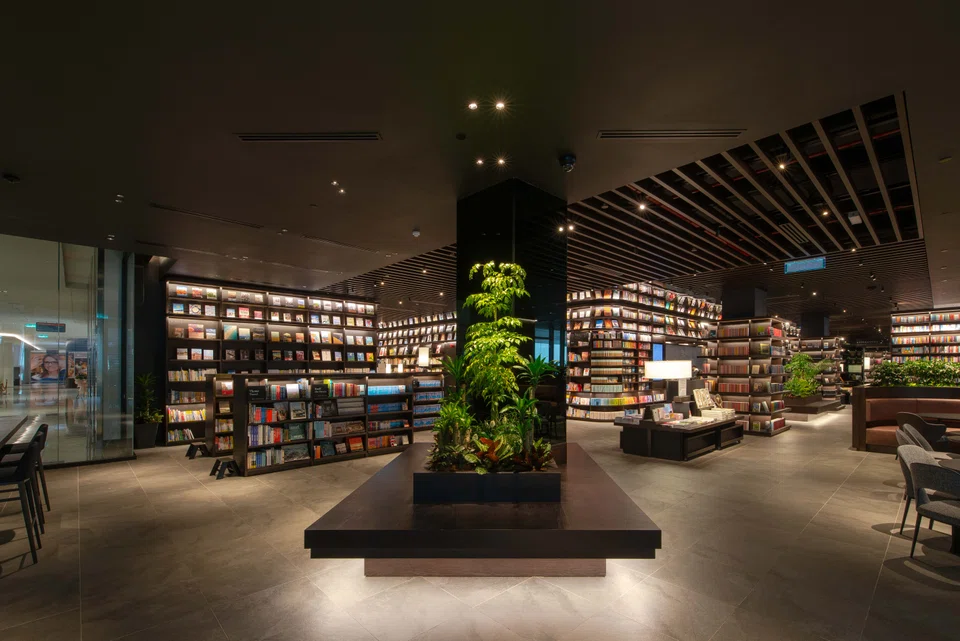
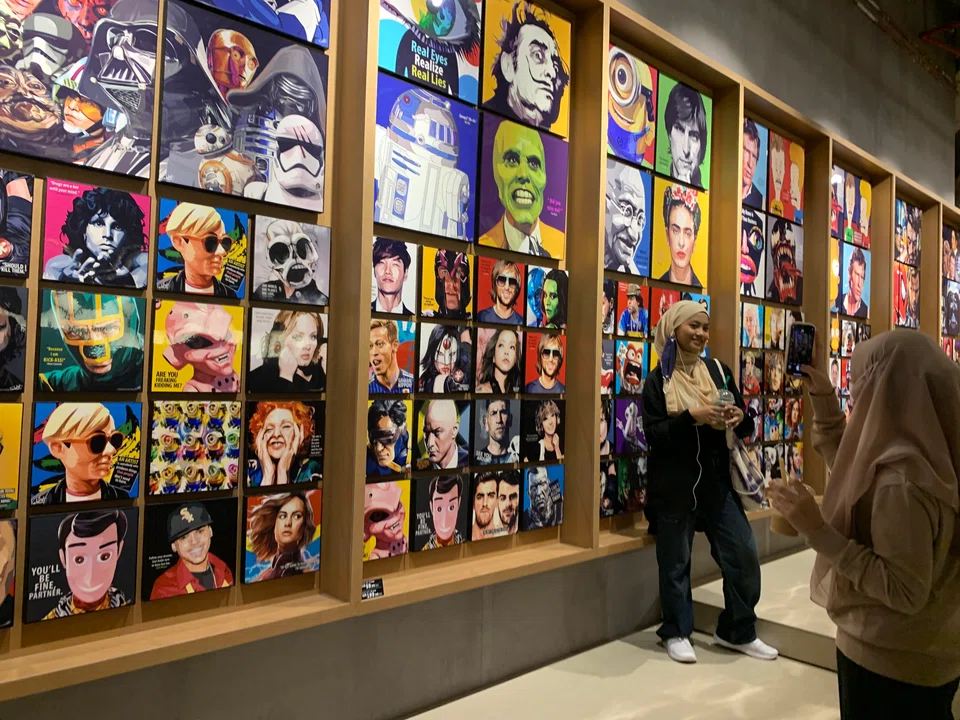
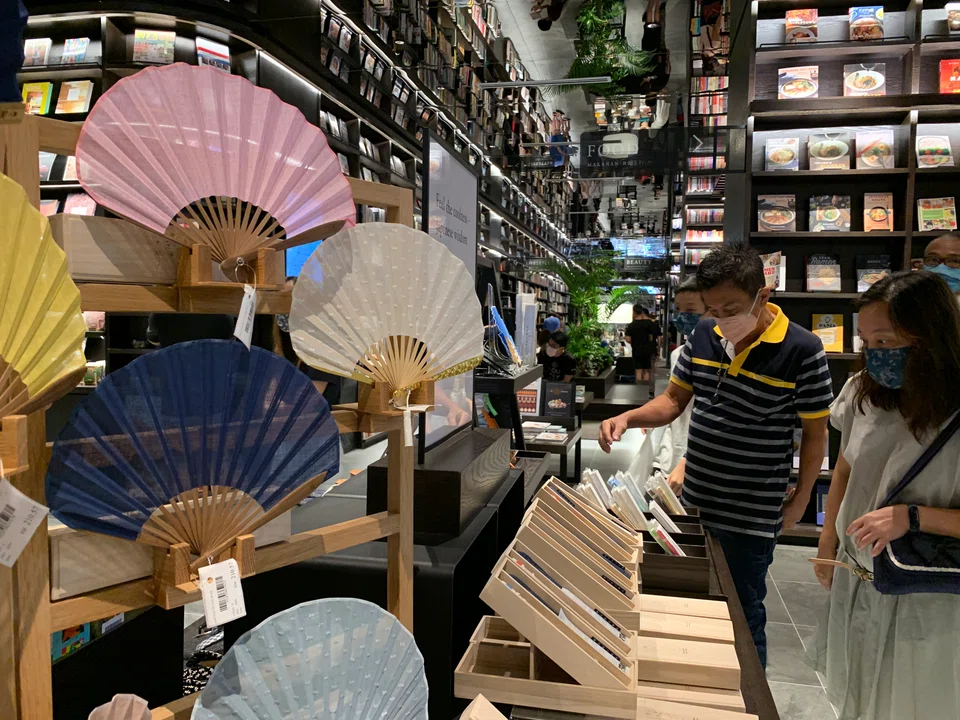
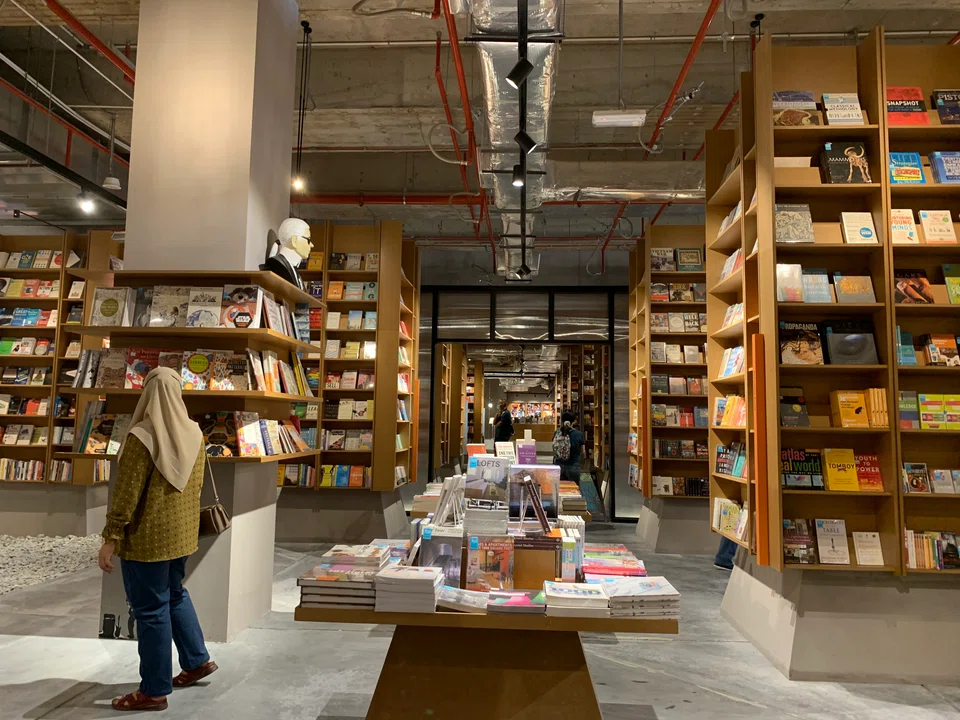
The 31,000-square feet outlet - Tsutaya Books’ first store in South-east Asia - is based on the company’s concept of cultivating “lifestyle and culture”. It has over 264,000 books in stock, along with magazines, stationery and all sorts of merchandise from Japan, even handmade knives. There is an art gallery inside too.
A customer, who wished to be known as C K Chin, said he enjoyed the “incredible” ambience and the wide variety of books on sale. He observed: “Interestingly, the majority of the visitors are not really buying books, but they are here to take photos and enjoy coffee at the cafe inside the store.”
In a reply to queries from BT, a Tsutaya Books’ spokesperson said the store’s unique selling points are the lifestyle element and giving customers a good experience, which help to differentiate itself from other physical or online bookstores.
The spokesperson added that Malaysia has much potential as a growth market, with the third-highest gross domestic product per capita in South-east Asia, as well as a growing young population that embrace the idea of “lifestyle bookstores”.
“Within the next 10 years, we are looking to open another 5 Tsutaya Books and 50 Tsutaya Bookstores (another brand with a simpler and casual design concept by Tsutaya) in Malaysia,” said the spokesperson.
The concept of having a bookstore with a lifestyle element is not new, of course. Japan’s Books Kinokuniya, which opened its first store at Suria KLCC in Kuala Lumpur back in 2001, continues to attract large crowds, especially on weekends.
“Physical bookstores are not dying, but they are evolving. The lifestyle element is a gamechanger for the industry as it could attract consumers, especially those who don’t read physical books, to walk into a store and maybe pick up a book to read,” observed MBA’s Thong.
According to a recent survey, Malaysians purchase 16 books a year on average - much higher than the 2 books in 2005, he added.
Andrew Yap, the co-founder and managing director of BookXcess, said that even though Malaysia has a high literacy rate of close to 95 per cent, only 2-3 per cent of the population actively buys and reads books today. The rate should ideally be higher at around 7-8 per cent, he added.
“Making books part of people’s life is the first step to cultivate reading habits,” he said, adding that e-books or digital content has grown in appeal due to the convenience.
“But this doesn’t mean physical books are dying. Over time, when people start to feel digital fatigue, they will go back to printed books. Before this happens, we need to attract them to walk into bookstores first,” he told BT at BookXcess’ store in MyTown Shopping Centre in Kuala Lumpur.
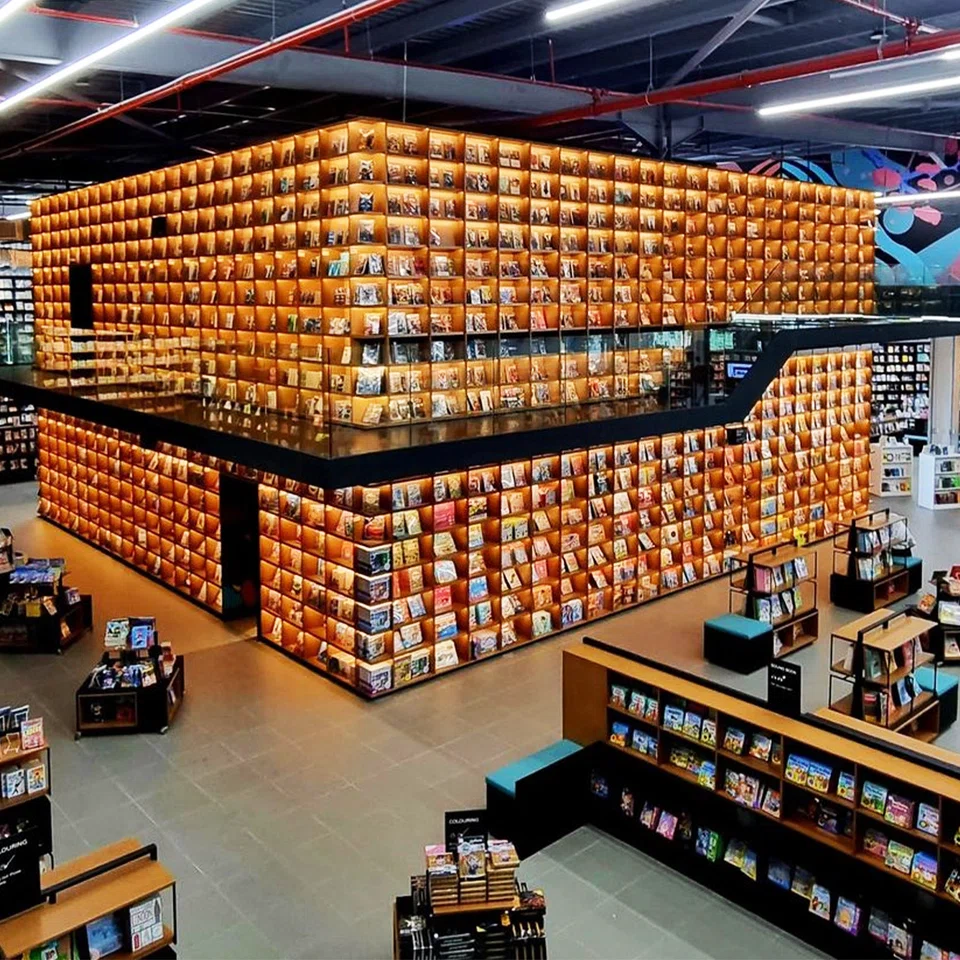
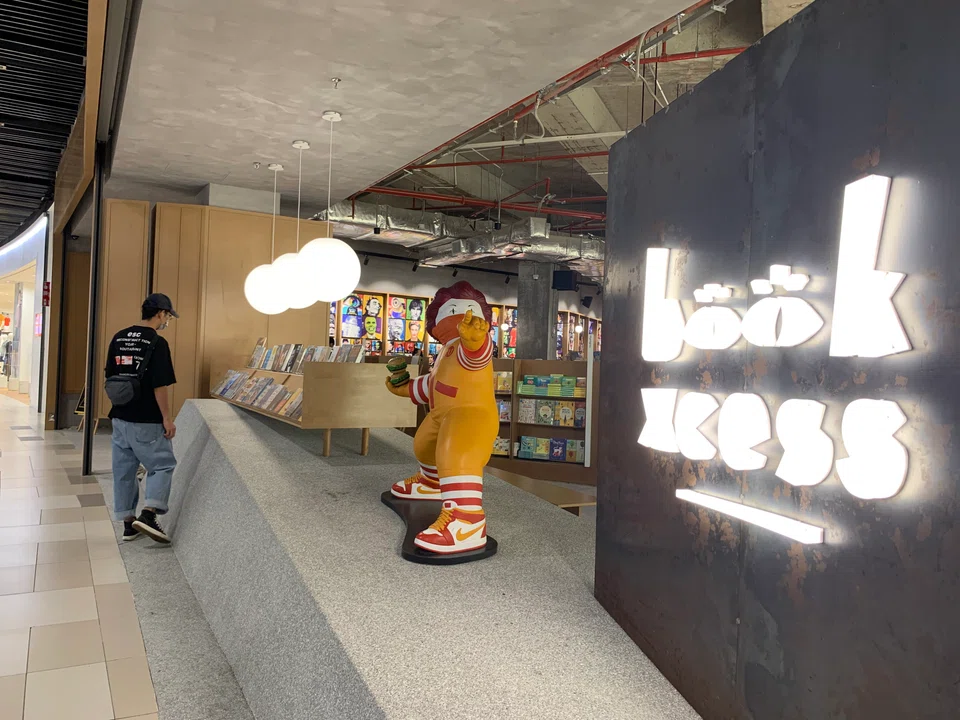
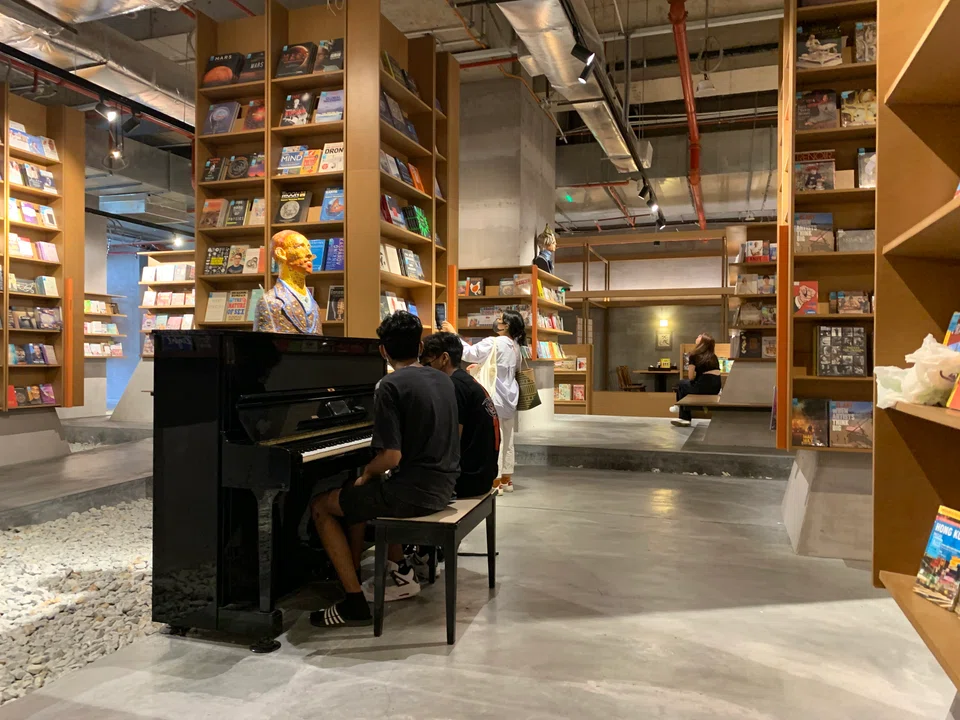
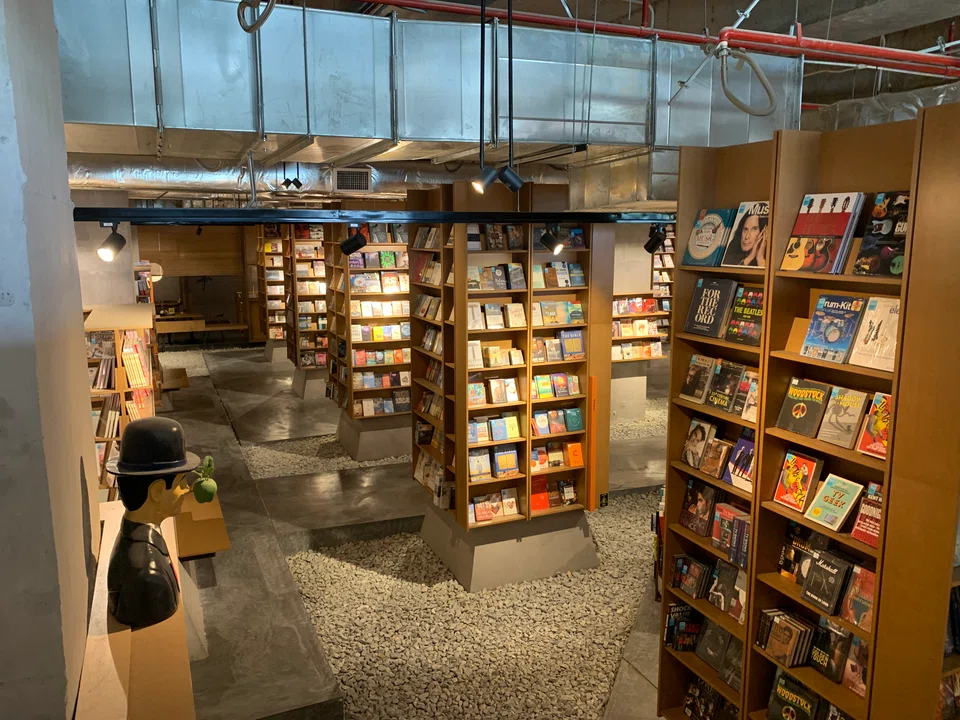
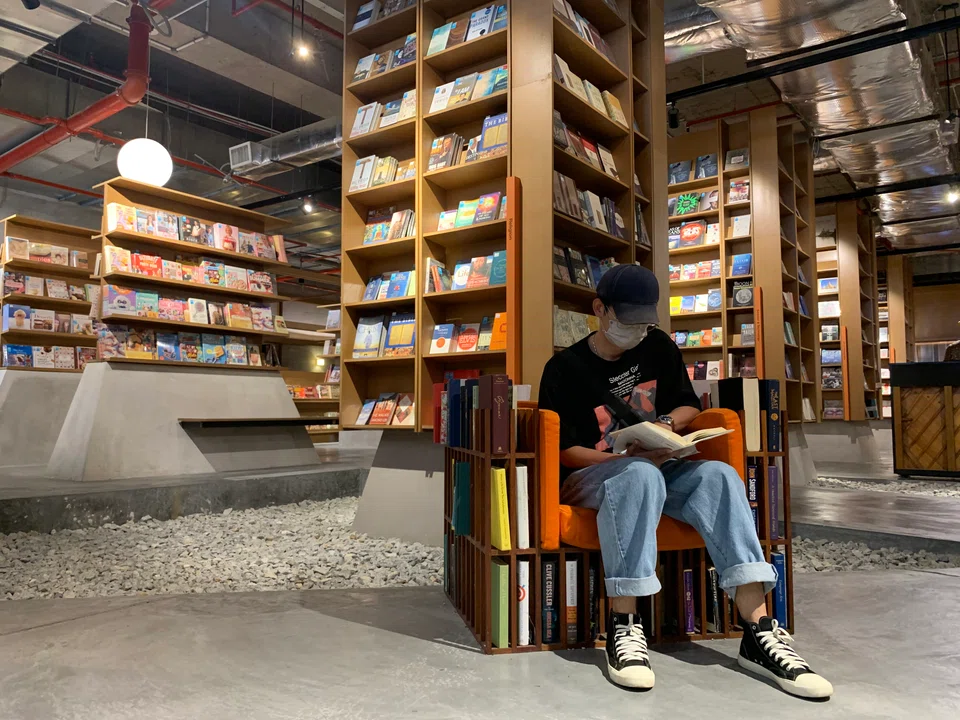
The 31,200 sq ft outlet has over 170,000 books in stock, displayed on towering shelves on stoned walkways. A piano placed in the centre of the store is available for music-lovers to showcase their talent.
There’s a double-storey piazza built inside the bookstore offering a space for people to work and study, or have a drink and enjoy views of the city skyline. Underneath the piazza is an art gallery, featuring works by local artists.
Yap noted that other than the bookstore, BookXcess also brought in 2 F&B operators - a Japanese restaurant and a boutique cafe - to attract more visitors. “This is to create an environment where people are surrounded by books. For those who don’t read, they could come here to work or study, they might walk around and pick up a book to read, and hopefully one day they will buy one,” he said.
Of BookXcess’ 17 stores, the newly-opened store at Sunway Big Box in Johor Bahru has also attracted large crowds for its creative design.
Other than changing the way bookstores operate, Yap said the company wants to “reimagine retail space” by working with developers and mall operators in a profit-sharing model to create community spaces.
“Post-pandemic, consumers are looking for experiential retail experiences. There are over 600 malls in Malaysia and every mall needs at least one bookstore as well as some unique shops that can attract people,” he said.
For the rest of this year and throughout 2023, BookXcess will open 5 new stores, including one in Singapore. BookXcess already has 3 pop-up bookstores in Singapore in collaboration with OCBC Bank.
The first BookXcess store with a lifestyle concept will be at Wisma Atria along Orchard Road. The 20,000 sq ft outlet will feature a restaurant, a cafe and an art gallery.
“The industry remains challenging, but physical books have stayed relevant, especially during the coronavirus pandemic. I believe the industry has not seen its true potential yet until we manage to convert the people who are not reading today into book-lovers,” he said.