Foreign investors in Vietnam keep focus on Ho Chi Minh City, Hanoi homes

Fiona Lam
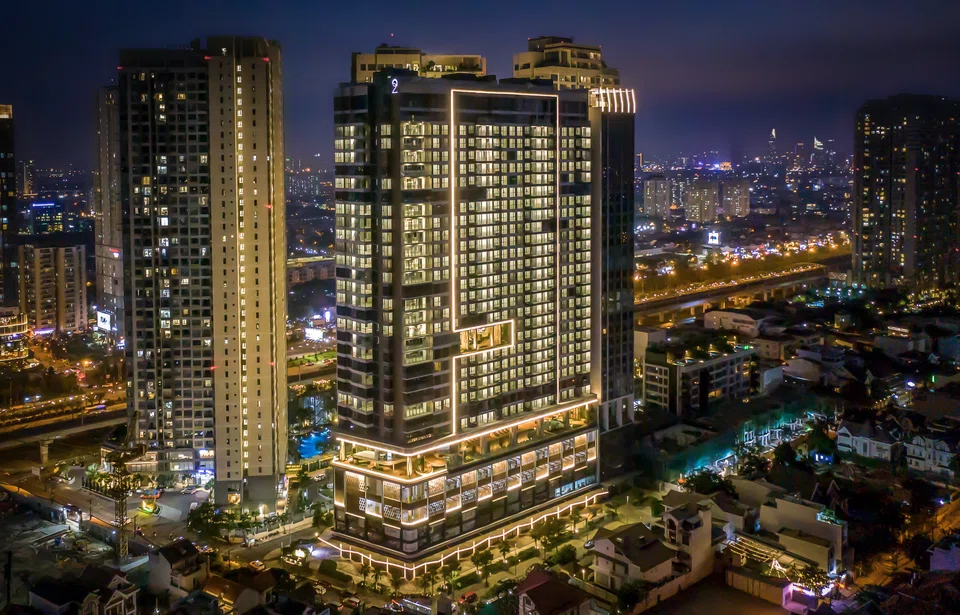
IN Vietnam’s housing market, foreign investment demand continues to be concentrated in the country’s biggest cities of Ho Chi Minh City (HCMC) and Hanoi.
The bulk of the foreigners snapping up residential assets in Vietnam are based in Asia, particularly Singapore, Hong Kong, mainland China, South Korea and Japan, according to London-headquartered real estate agency chain Chestertons, which opened an office in HCMC this year.
“This is important, as regional travel will be the first to rebound while intercontinental trips will take longer to return to pre-Covid levels,” said Chestertons Vietnam executive director Tony Picon.
Troy Griffiths, Savills Vietnam deputy managing director, told The Business Times (BT) that Koreans, as the biggest expatriate community in Vietnam, constitute a larger proportion of foreign investors. Meanwhile, Singaporeans have historically invested in the mid-range levels.
“We are also seeing activity from Hong Kong as the reallocation of capital away from the territories is occurring,” he added.
Foreigners cannot buy freehold homes in Vietnam, but can purchase properties with leasehold tenures of up to 50 years with the possibility of an extension.
There is also a 30 per cent cap on the number of units in any apartment project that can be owned by foreigners. This limits demand for the luxury non-landed property segment, where there tends to be stronger interest from foreigners and tight supply, Picon noted.
“However, many properties are bought in the (Vietnamese) spouse’s name with no leasehold or quota restrictions,” he said.
In his view, high-end apartments above US$5,000 per square metre (psm) are the most sought-after among international buyers because such prices remain “much lower than for comparable properties in Singapore, Korea or even Thailand”. Landed homes, especially villas, are also favoured as the occupiers can be close to the CBD, he added.
David Jackson, chief executive of Colliers in Vietnam, highlighted that the proportion of foreign buyers usually reaches the maximum of 30 per cent for well-located apartment projects that have a known legal status and are developed by reputable companies.
He said luxury projects tend to appeal to foreign investors, with prices starting at around US$2,500 psm for high-end apartments and in the region of US$6,000 to US$10,000 psm for homes in large cities like HCMC and Hanoi.
“In general, apartments are the easiest option for foreign owners in Vietnam, and prices in Hanoi are roughly 10 per cent lower than in Ho Chi Minh City, the country’s economic hub where the majority of foreigners work and live,” Jackson added.
Generally, foreign purchasers focus on newbuilds from international developers. Savills’ Griffiths said that in 2023, there will be an increase in Grades A and “upper B” supply, much of which will be from reputable international developers with certainties around legal status and delivery.
Asking prices start from around US$3,000 psm for Grade B supply and can reach US$10,000 psm for Grade A homes. An outlier was Marriott’s ultra-luxurious branded residence at Grand Marina Saigon, developed by Masterise Homes, at around US$15,000 psm, Griffiths pointed out.
Within HCMC, Districts 2 and 7 remain the key magnets for foreign buyers. Both areas are near the city’s Central Business District (CBD) and house good-quality amenities catering to foreigners, such as international schools, reputable hospitals and western-style restaurants, said Picon.
District 1, where the CBD is located, remains popular although there are limited residential developments due to land constraints and zoning restrictions.
“However, as the city limits expand, other areas are also becoming attractive. Thu Duc and District 9 to the east of the city are of special interest, with the eventual opening of the metro system connecting these districts to the centre,” he noted.
In addition, the surge in industrial activity in Vietnam over the last decade has meant that some foreigners prefer to live closer to their factories than in the city centre.
From an investment perspective, rental yields on properties in HCMC “can still range from 5 to 8 per cent in the better-quality developments”, trumping yields in other countries in the region, Picon said.
And by housing type, branded residences – high-end apartment projects affiliated with luxury hotel operators – are becoming fashionable in the coastal areas of Vietnam, he told BT.
As for Hanoi’s apartment market, prices will likely benefit from decentralised infrastructure upgrades, Do Thu Hang, senior director of advisory services at Savills Hanoi, said in the firm’s Q1 2022 research report.
Savills also noted that nearly a quarter of Hanoi’s upcoming supply of apartments will be located in 5 suburban districts: Hoai Duc, Dong Anh, Thanh Tri, Gia Lam and Dan Phuong.
Colliers’ latest quarterly market update pointed to the increase in buying interest in Hanoi’s high-end condominium segment from wealthy locals and foreigners, who mostly came from Hong Kong and South Korea, amid “competitive” property prices and the profitability of investments.
Selling prices of condominium units in Hanoi are forecast to continue their upward trajectory, driven in part by higher land prices and construction costs in the next few years, Colliers wrote.
Singapore developers
Among foreign developers in Vietnam’s housing scene, Singapore leads the pack, Picon said. This comes as many developers from the city-state have a long history in HCMC, which provides the foundation for further growth.
For instance, CapitaLand and Keppel Land have been mainstays in the market, alongside other entrants such as Mapletree, GuocoLand and Kusto Home. Frasers Property has also been a long-time player in the serviced apartment segment.
Frasers Property’s first residential project in Vietnam, named Q2 Thao Dien and situated in HCMC’s District 2, is now fully sold after its launch in 2018 and was entirely handed over to residential buyers in 2021. It comprises 333 apartments, 6 villas, 12 townhouses and 13 retail spaces.
A spokesperson from Frasers Property told BT that foreigners made up about 30 per cent of the primary buyers of Q2 Thao Dien, with Singapore, China and South Korea as the top 3 overseas nationalities. The selling prices of its apartments and retail spaces averaged S$5,172 psm as at the end of September 2021.
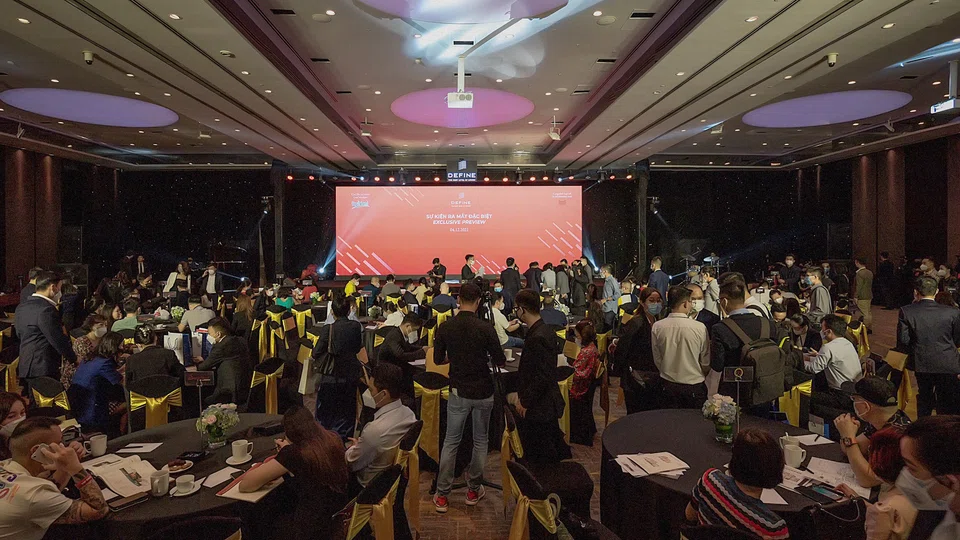
CapitaLand Development (CLD) sold all 88 units at its HCMC luxury residential development Define within 2 hours of the weekend preview in December 2021. The homes fetched an average of US$5,500 psm, with all units sold above US$1 million. About 20 per cent of Define’s buyers were foreigners.
CLD will also launch its first luxury residence in Hanoi, Heritage West Lake, later this year. The 173-unit project is part of an integrated development that also includes commercial, hospitality and retail components.