



Global players eye Indonesia's fast-growing logistics sector
International firms account for 30% of US$81b market, which is seen to reach US$138b by 2026 with 9.2% annual growth rate
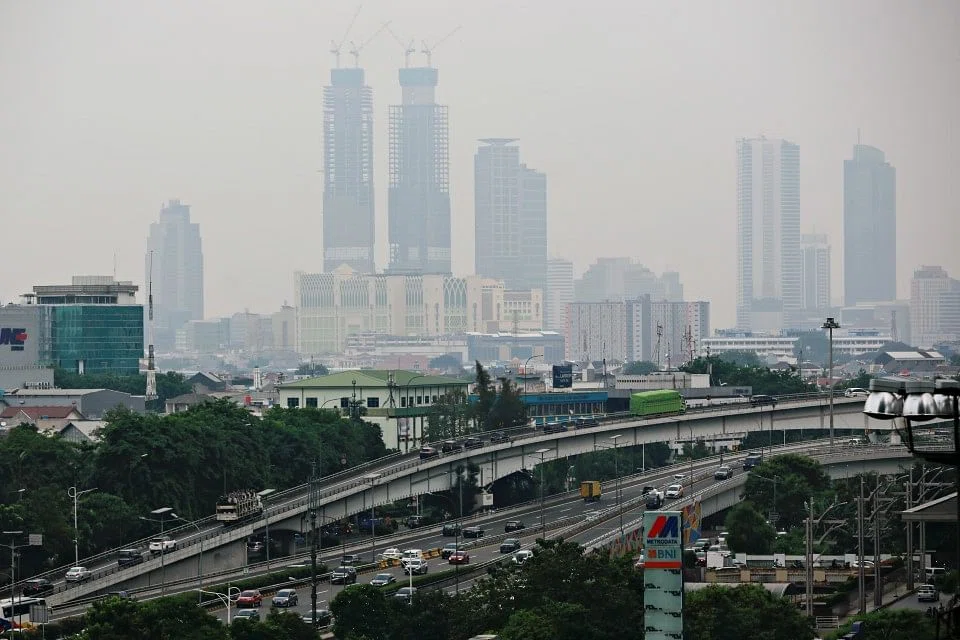

Jakarta
INDONESIA'S logistics sector has historically been fragmented with no major dominant player but as the country's infrastructure expansion gathers pace, international players are starting to pay closer attention to the sector.
US-based C H Robinson has had a presence in Indonesia for the past 20 years. The company, one of the world's largest logistics platforms, recently opened offices in Jakarta, Surabaya and Semarang with an eye on tapping the country's fast-growing logistics market.
"Although we had a presence in Indonesia for some time through our partners, given the country's size and growth projection we felt that we needed to have our own offices," said Shawn Chen, the company's vice-president of South-east Asia Global Forwarding.
"We forecast that Indonesia will be the fastest growing logistics market in South-east Asia in the coming years," he told The Business Times. "We expect our business to grow by 3 digits given the size of the market."
"The difference really comes down to having our own employees, a proper platform for documentation and creating global visibility," he noted. "Currently, we have 30 employees but we project to double that number in 2 to 3 years."
Chen said that the company will initially focus on global shippers looking to tap the country's trade as its first phase of expansion.
Indonesia is a major exporter of commodities, electrical appliances, wood and textiles. Among its chief imports are machinery and equipment, chemical, fuels and foodstuffs.
"In our second phase of expansion, we are looking at the government's plans to improve the country's infrastructure network, especially the new manufacturing centres spread across the country," he noted.
President Joko Widodo's government has earmarked 89 new projects with an estimated US$140 billion in investment to be completed by 2024.
"When that happens, we want to be there to service to our clients in strategic areas such as Batam and Bintan which are close to Singapore, and Kalimantan which is closer to Malaysia," said Chen.
International players currently account for 30 per cent of Indonesia's US$81 billion logistics market. The sector is projected to grow to reach US$138 billion by 2026 with an annual growth rate of 9.2 per cent.
With 70 per cent of the sector made up of medium-sized players, even the 10 largest companies do not make up 30 per cent of the local market. High logistics costs have also deterred foreign players from entering the market.
"It has long been touted that logistic costs to GDP (gross domestic product) in Indonesia is at over 25 per cent," said Valkyn D'mello, managing partner of AVJ Nusantara Perkasa, a domestic logistics company.
"The logistics sector is highly fragmented, with only handful of local players having revenues over US$100 million a year so there are huge opportunities for growth."
He added that for the logistics sector to expand, domestic sea freight should be opened to foreign players to drive down rates as well as expanding public-private partnerships to build new ports and airports quickly.
"These steps have a chance of changing the fundamentals and drive down costs while improving efficiencies," he said.
A growing economy, improving infrastructure and a large domestic market are changing the logistics landscape in the county, said Chen of C H Robinson.
"Initially as the country develops, small niche players play an important role in logistics; but the sector will scale up with infrastructure improvements allowing for larger scale logistics."
TRENDING NOW

Knight Frank’s Tan Tee Khoon leaves firm, Nicholas Keong takes over auction business

Keppel Energy, Sembcorp Utilities and Tuas Power to supply biomethane in pilot project

GovTech retrenches another 38 staff in second round of layoffs
Take-up of new private homes dives 45% in Q3 as prices accelerate with 1.4% rise

