



Indonesia's new tax regulations could impact tech IPOs
Jakarta
INDONESIA is a hotbed for tech startups these days, with billions of dollars poured into the tech sector in recent years as investors - including significant players from or based in Singapore - continue to ride the digital wave.
Flushed with cash, a number of Indonesia-focused start-ups such as the newly formed GoTo are considering dual listings in Indonesia and the United States, or on stock markets outside Indonesia.
To entice such listings, the Indonesia Stock Exchange (IDX) is drafting regulations which may make it easier for tech companies to go public.
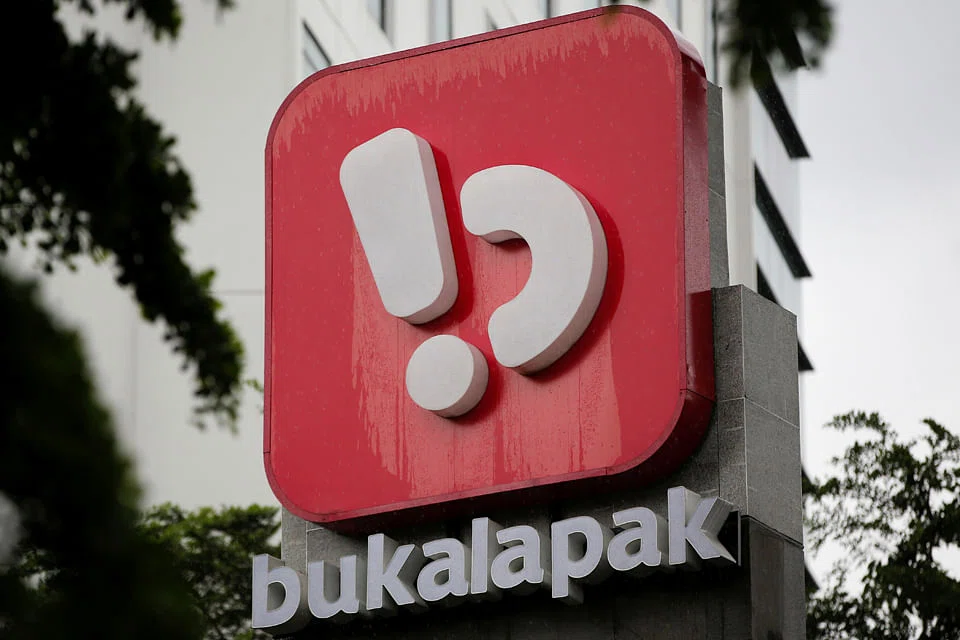
Apart from GoTo, other e-commerce players such as Traveloka and Bukalapak are also planning to launch initial public offerings (IPOs) this year.
Such listings could potentially offer investors and shareholders in these tech companies a sizeable exit. However, two recent tax developments could be important considerations for Indonesian companies to ponder.
Firstly, the announcement by Indonesia's Finance Minister Sri Mulyani Indrawati of a possible increase in top personal income tax rate from 30 per cent to 35 per cent on worldwide income, among other key tax reforms, for a more sustainable Indonesian tax system.
Secondly, the recent announcement of agreement by 130 countries and jurisdictions on a global 15 per cent minimum tax rate for qualifying enterprises.
Tax experts said that Indonesian tax residents are taxed on worldwide realised income at the progressive tax rates that are now capped at 30 per cent. Comparatively, Singapore does not levy taxes on capital gains.
"While tax is rarely the sole criterion, an incremental 5 per cent personal tax hike on capital gains could be significant for Indonesian tax resident individual founders who are considering their after-tax returns from an international listing or private sale," noted Kexin Lim, tax partner (entrepreneurial and private business) at PwC Singapore.
"This is contrasted with an IDX listing option where Indonesian founder shareholders of qualifying entities are effectively only taxed on 0.6 per cent of the value of shares transacted", she added.
Indonesian conglomerates and unicorns could also be impacted by the recent move by the Organisation for Economic Co-operation and Development to levy a global minimum corporate tax rate of 15 per cent on qualifying multinational companies, noted a recent report by Maybank Kim Eng.
The report said that most Indonesian MNCs abroad are paying below the proposed minimum global corporate income tax rate of 15 per cent, but the impact of the corporate income tax on earnings could be neutral as most listed Indonesian companies may not yet have significant overseas operations.
This may change given the regional and global ambitions of Indonesia's fast-rising start-ups.
"The minimum tax policy may impact technology companies which plan to IPO in the second half of 2021 if they have operations in countries where the corporate tax rate is lower than 15 per cent", the Maybank Kim Eng report said.
Ms Lim, who focuses on the Singapore-Indonesia corridor, noted that tax management has increasingly become a boardroom issue in the evolving local and international tax environment.
"Notwithstanding the IDX tax concession, many successful tech start-ups have global ambitions and hence will need to weigh commercial and tax aspects of their listing structures and options carefully in totality," she said.
Given the changing tax landscape, there could be a bigger impact from the new global minimum tax regime for Indonesian fast growth start-ups with regional and international ambitions, compared to the more domestic-oriented conglomerates.
TRENDING NOW

Two Singapore-listed palm oil firms named in Greenpeace report on Indonesian plantation fires
Singapore Airlines flight returns to San Francisco after ‘unruly’ passenger incident

Singapore looking into which companies responsible for haze-causing fires: PM Wong

Deluge IPO 3.86 times subscribed ahead of SGX debut

