



Medical product sector to cushion Asean's growth amid pandemic
 Add BT as a preferred source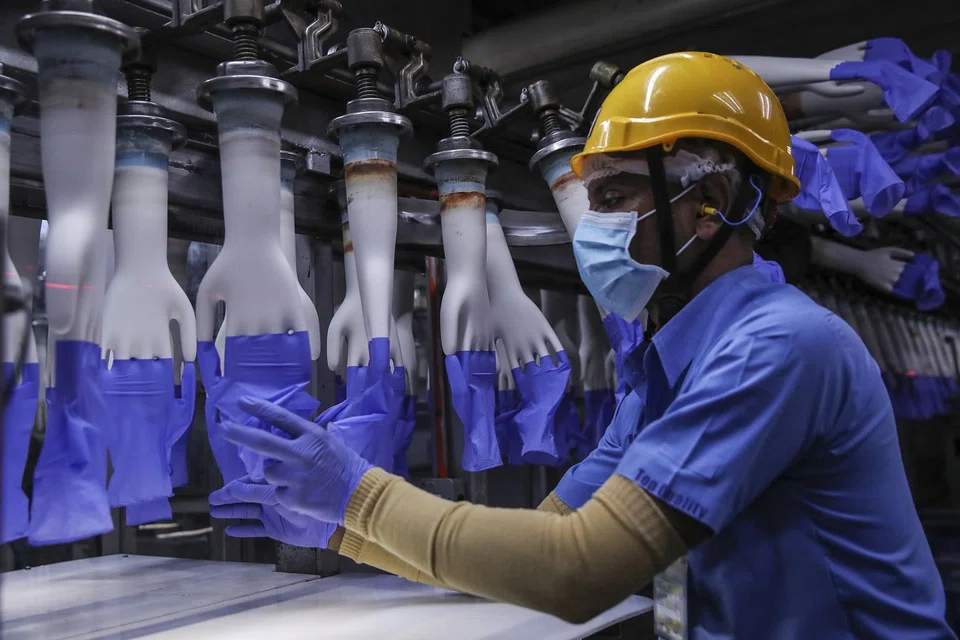
DeeperDive is a beta AI feature. Refer to full articles for the facts.
ASEAN'S medical product sector could cushion the region's growth during the Covid-19 pandemic, though it faces risks from protectionism in medical trade, according to an Oct 14 Citi report.
As a whole, emerging Asia is the largest exporter of medical products, with a market share of 14.6 per cent. China dominates, with Asean's strength lying in commodity-related products and broader personal protective equipment (PPE).
Compared to the rest of emerging Asia, Asean should see a larger gross domestic product (GDP) cushion in the near term, said the report. Every 10 percentage point increase in medical exports is expected to lift the Asean-6 GDP by 0.07 percentage points, compared to less than 0.05 percentage points in other emerging Asia economies.
Strong pharmaceutical production in the first half of 2020 may have offset 10 per cent and 6 per cent of the GDP fall for Singapore and Thailand respectively, while rubber glove production offset 2 per cent of Malaysia's contraction.
Capacity additions have been driven by local companies in Malaysia and Singapore, but by foreign direct investment in Vietnam and Thailand, "reflecting a broader supply-chain diversification away from China", said the report.
But medical protectionism puts this growth cushion at risk. Singapore, and to a smaller extent Vietnam, are vulnerable to reshoring, given their export orientation and dependence on foreign firms.
Navigate Asia in
a new global order
Get the insights delivered to your inbox.
All Asean economies -- but especially Singapore and Vietnam -- are also vulnerable to supply disruptions due to export controls, although less so for Indonesia if capacity-building efforts for self-sufficiency bear fruit.
Decoding Asia newsletter: your guide to navigating Asia in a new global order. Sign up here to get Decoding Asia newsletter. Delivered to your inbox. Free.
Copyright SPH Media. All rights reserved.
TRENDING NOW

Air India asks Tata, Singapore Airlines for funds after US$2.4 billion loss

Beijing’s calculated silence on the Iran war

China pips the US if Asean is forced to choose, but analysts warn against reading it like a sports result

Richard Eu on how core values, customers keep Singapore’s TCM chain Eu Yan Sang relevant

