Reforms urged to keep Asean connected and competitive
SHRINKING foreign direct investment (FDI) poses "a fundamental threat" to the Asean economy, especially as India is on the rise as a rival to the South-east Asian bloc.
This dire scenario was put forward by HSBC analysts, who noted that the previous trend of investment diversion from China to Asean has slowed in 2020 amid global uncertainties.
"If countries are serious about pursuing some form of FDI-driven growth model, especially the Philippines and Indonesia, long-standing structural reform plans must be finalised," they wrote, identifying lower investment in-flows as a blow to manufacturing growth and productivity.
The HSBC team also called for market-specific labour reforms, such as raising women's workforce participation in Malaysia, moving to more formal and productive sectors in Vietnam, or allowing more immigrant manpower in Thailand.
Separately, Asean needs trade and investment reforms to promote transparency and connectivity, consultancy Bain & Co and the World Economic Forum (WEF) argued in a recent report on the future of consumption in fast-growing markets.
"To attract foreign investment and promote domestic innovation, governments should build technology ecosystems, positioning select cities as startup hubs that become incubators for innovation and leverage Asean's booming digital economy," they said.
The Bain-WEF report also urged governments to craft regulations for a more integrated and connected Asean, with priority given to rules on trade, labour and investments.
Suggested practices include a better payment connectivity, and a removal of investment restrictions in sectors such as manufacturing, agriculture and mining.
Some reforms already under way in various legislatures include a jobs creation package being debated by lawmakers in Indonesia, as well as tax reform packages wending their way through the Philippines.
Still, HSBC's analysts added: "More broadly, an acceleration in progress on Asean integration can help to offset competitive FDI pressures from larger consumer markets such as India."
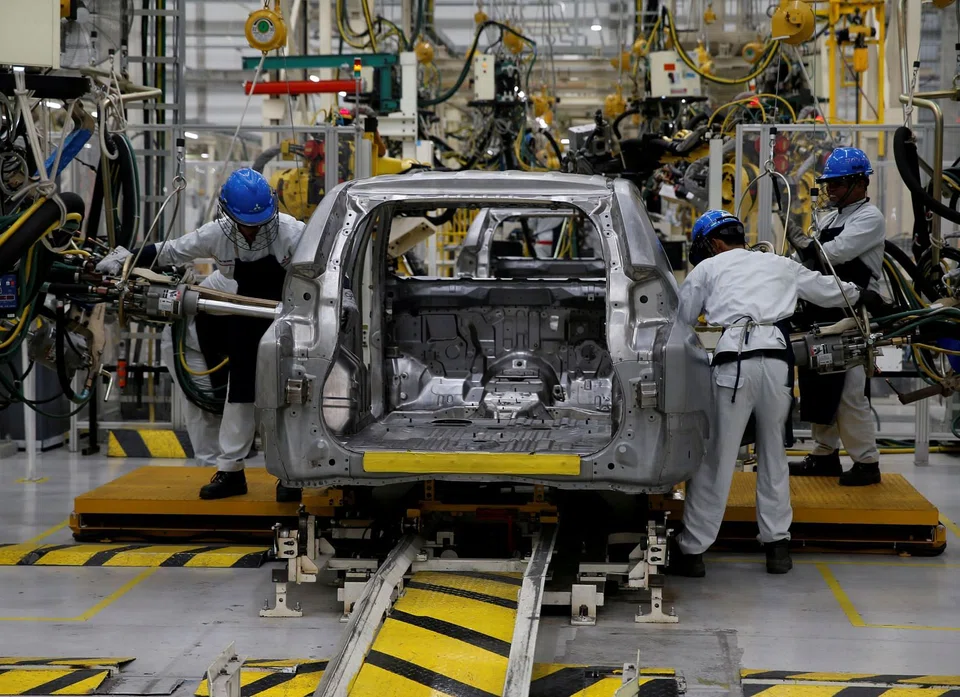
That's as they flagged Indian policymakers' rising momentum on reforms meant to woo investment in electronics assembly - a key industry that Asean had hoped to expand.
Decoding Asia newsletter: your guide to navigating Asia in a new global order. Sign up here to get Decoding Asia newsletter. Delivered to your inbox. Free.
Share with us your feedback on BT's products and services