



Singapore a popular base for China tech firms
In the second of a six-part BT-Lianhe Zaobao series on China capital flows to Asean, we look at the trend of China tech firms setting up their regional headquarters in Singapore

Singapore
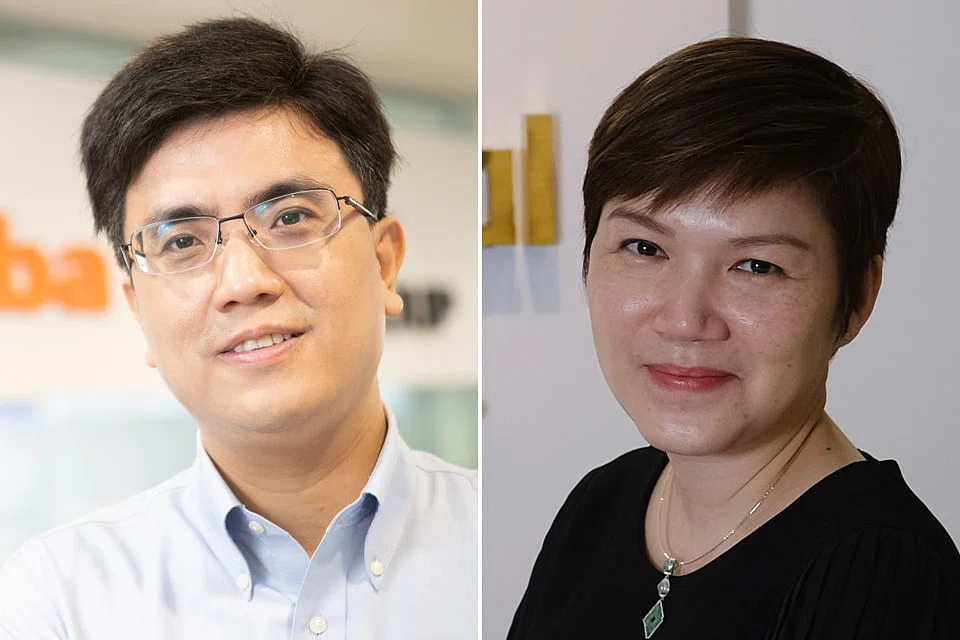
FOUR years ago, when Derek Wang, general manager of Alibaba Cloud arrived in Singapore, he was among the company's first employees to be posted overseas, and only one of a handful of top executives from a China tech company to be posted here.
But these days, he meets more and more of his industry peers from China here.
"I think it has become a trend for China tech companies to head overseas," said Dr Wang, in an interview with Lianhe Zaobao. "They are all heading to Singapore and South-east Asia, and expanding is always a good thing."
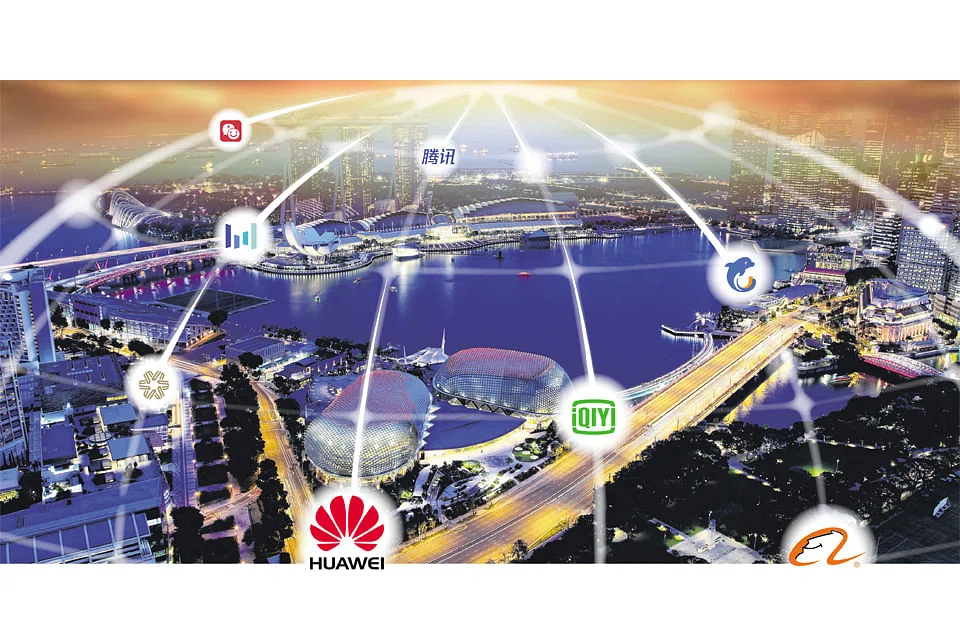
According to data from Singapore's Economic Development Board, more than 80 of the world's top 100 software and services companies have a presence in Singapore. These include the likes of China tech giants Alibaba, Tencent, and ByteDance, the parent firm of video sharing app TikTok.
A subsidiary of the Alibaba Group, Alibaba Cloud provides cloud-based services such as cloud computing, cloud servers, and artificial intelligence solutions. The company established its regional headquarters (RHQ) in Singapore in 2015. Dr Wang moved here from Alibaba's headquarters in Hangzhou, China in 2017. Two years later, he was appointed general manager of Alibaba Cloud, tasked to develop new markets for the rest of South-east Asia.
But Alibaba Group started investing in Singapore even before the establishment of Alibaba Cloud's RHQ. Back in 2014, it acquired a 10.35 per cent stake in mainboard-listed SingPost for S$312.5 million. The stake was later raised to 14.4 per cent, making it the second largest shareholder in SingPost.
In 2016, Alibaba Group acquired Singapore-based Lazada for US$1 billion. Two years later, it pumped a further US$2 billion into the e-commerce platform. In May last year, Alibaba acquired a 50 per cent stake in AXA Tower in Singapore for S$840 million.
In the case of Tencent, it announced plans to set up a Singapore office in September last year. The outfit is to support the growth of its business in South-east Asia. With office space at OCBC Centre East large enough to accommodate 200 employees, it has hired some 90 people locally - including data scientists, software engineers and product managers. As for ByteDance, the company is planning to invest "several billions of dollars" in Singapore over the next three years, and hire hundreds of employees for its RHQ in Singapore.
Ping An Insurance too has picked Singapore as a springboard to go global. The company first established its online wealth management platform Lu-Global in Singapore in 2017. The following year, its fintech subsidiary OneConnect launched its regional headquarters here as well. In 2019, Ping An Good Doctor formed a joint venture with homegrown tech firm Grab to offer online healthcare services in South-east Asia.
Other China tech companies with a presence in Singapore include Trip.com, iQiyi, Huawei Cloud, Yitu, Pensees, Tongdun Technology, Yoozoo, and Envision Group.
Why are China tech companies flocking to Singapore?
Tan Bin Ru, CEO of OneConnect Financial Technology, said that Ping An was drawn to Singapore's stable business climate, excellent Internet infrastructure, and market access to a population of 600 million people residing in Asean. The availability of technology talent in Singapore is another plus.
Talent availability
"Singapore is an obvious choice for Oneconnect because we can find good talent here," she said. "Being a tech company, we need hardware, we need scale, but more importantly, we need talent. If there is no tech talent to innovate, the company's business will not thrive.
"The pool of talent we have in Singapore is good, and these people know South-east Asia, they speak Mandarin . . . they can blend into Chinese corporate culture and play a key role in expanding the business."
Wang Yanbo, assistant professor of strategy and policy at the NUS Business School, said that many China tech companies are reaching a growth bottleneck in their home country and urgently need to seek new growth areas.
"China has the largest number of Internet users in the world, but the rate of growth is slowing," he said. "South-east Asia, on the other hand, has a lower rate of Internet penetration, and digitalisation is still at a nascent stage (with the exception of Singapore). Many China tech companies feel that their technology and business models can be replicated in South-east Asia, and because of Singapore's strategic location, they naturally would pick the country as their first destination for going global."
China tech companies also see a rising need to separate their domestic business from their overseas business, driven by the US-China trade tensions and the decoupling of the tech sectors of both countries, said Toru Yoshikawa, professor of strategic management at the Lee Kong Chian School of Business of Singapore Management University. There is a desire among them to build a more globalised image, based on exemplary corporate behaviour.
Regarded as the "Switzerland of Asia", Singapore offers a sound legal framework and robust protection for intellectual property rights, in addition to maintaining a neutral position in the tussle between China and the US, added Prof Yoshikawa. Establishing their regional headquarters in Singapore could help China tech firms build global recognition and minimise biases associated with Chinese corporations, thereby boosing their efforts to go global.
READ MORE: Increasing number of China technology firms boost local tech ecosystem
- Chew Boon Leong is a Senior Business Correspondent with SPH Chinese Media Group NewsHub. This article is part of a collaboration on a series of weekly features translated from Lianhe Zaobao. The original story first appeared on May 16. The next article will examine why more high net worth individuals from China are choosing to set up their family wealth management offices in Singapore.
TRENDING NOW
Prima to move out of historic Keppel Road flour mill building in 2028

Grab CEO’s wife Chloe Tong on life with Anthony Tan and finding her purpose

OCBC sheds S$8 billion in value as shares close nearly 6% down; analysts cautious on banks

As Asia’s food delivery giants rejig the pie, who will win the market?

