



Vietnam's factories desperate for workers to return to the big cities
Hanoi
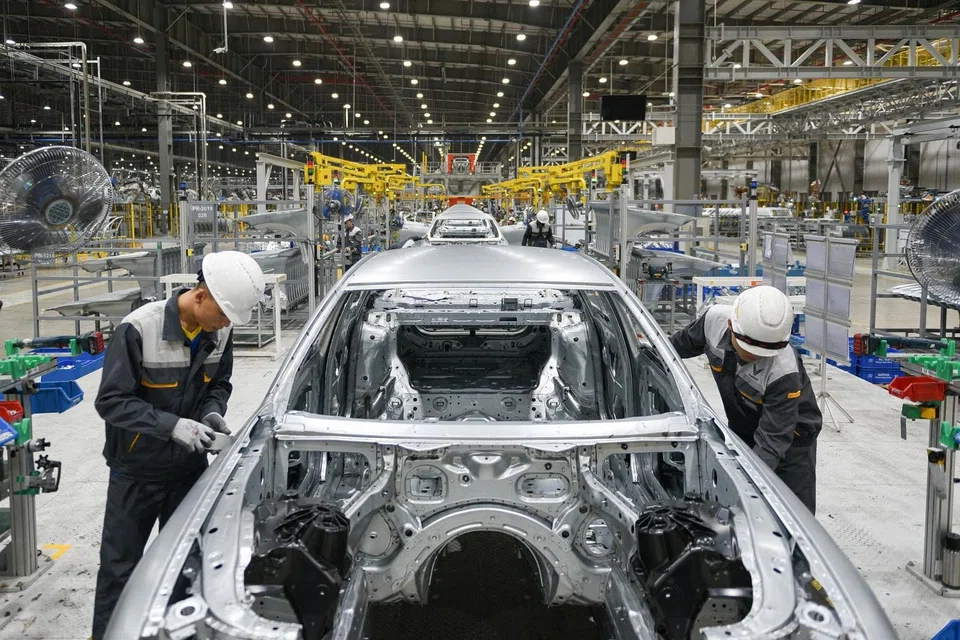
BUSINESSES and factories across Vietnam are still struggling to return to anywhere near full capacity with Covid-induced labour shortages crippling output.
In early January, the Centre of Forecasting Manpower Needs and Labour Market Information released the results of a survey that found that Ho Chi Minh City alone would require over 300,000 new workers this year.
Vietnam is one of the world's largest garment makers, with its factories supplying global brands such as Ralph Lauren, Zara, Nike and Lacoste. It is also a major production centre for electronics giants including Samsung.
Simon Hosking, the managing director of sportswear manufacturer Game Day Apparel, said the lack of manpower is being acutely felt at his company.
"Demand for my products is such that I could increase output by another 50 per cent but I simply can't get the people (to work for me)," he noted.
Son Nguyen, the operations manager of staffing and outsourcing services at workforce solutions company ManpowerGroup Vietnam, said this is a problem felt by many businesses across almost sector in Vietnam.
"One of my clients ran at maximum capacity during the Covid-19 outbreak in July last year until October. Now they have decreased to 50 per cent or even 30 per cent on some days. They're trying to slow down production because of shortages in the workforce," he explained.
Hosking believes the problem stemmed from the country's lockdowns last year. When these curbs were lifted in October, it resulted in a mass exodus of hundreds of thousands of workers heading back to their villages, many for good.
"In many cases, these people were left with nothing, many were starving and had no support from the government, so they went back to the safety of their villages where they can live off the land," he said.
With the Covid-19 situation still somewhat uncertain in Vietnam, the view is that many workers are taking a cautious approach to returning to work in the big cities like Ho Chi Minh City and the capital Hanoi.
Nguyen, however, said he expects to see more people coming back to the cities after the Chinese New Year holidays.
One problem they are likely to face is having to start from scratch to find new accommodation and deciding whether to relocate their families. "That is going to be a heavy cost for them when they return to the city, and that's why they are going to wait," he said.
To entice more people to come back to Vietnam's factories this year, businesses and organisations are dishing out incentives such as subsidising the cost of their accommodation and transport.
Nguyen added, however, that salary increases are unlikely in the current environment.
"Companies these days tend to offer an incentive programme for a short period of time to attract workers and retain them, but they won't increase the basic wage because companies suffered a lot financially in the past year," he said.
Game Day Apparel's Hosking, however, feels that higher wages are par for the course if firms are to stay competitive in an extremely tight labour market.
According to him, workers who are both skilled and have been working in the industry for a number of years are in short supply. "Those skilled workers are going to see a 20-30 per cent salary increase if you want to have any chance of getting them."
TRENDING NOW

First Resources blames El Nino, outside fires for Kalimantan hotspots amid haze scrutiny
High Court rules against Julius Baer’s Singapore trust arm in US$50 million family trust dispute
Singapore key exports jump by higher-than-expected 68.4% in September, led by non-electronics

MSCI proposes downgrading Indonesia to standalone market status

