What Malaysia’s young opposition leaders want: A government with integrity, courage
Tan Ai Leng

BEYOND political stability, young leaders from Malaysia’s opposition parties have stressed an urgent need to move away from corruption and make progress towards forming a better government, as this would eventually lead to more sustainable growth.
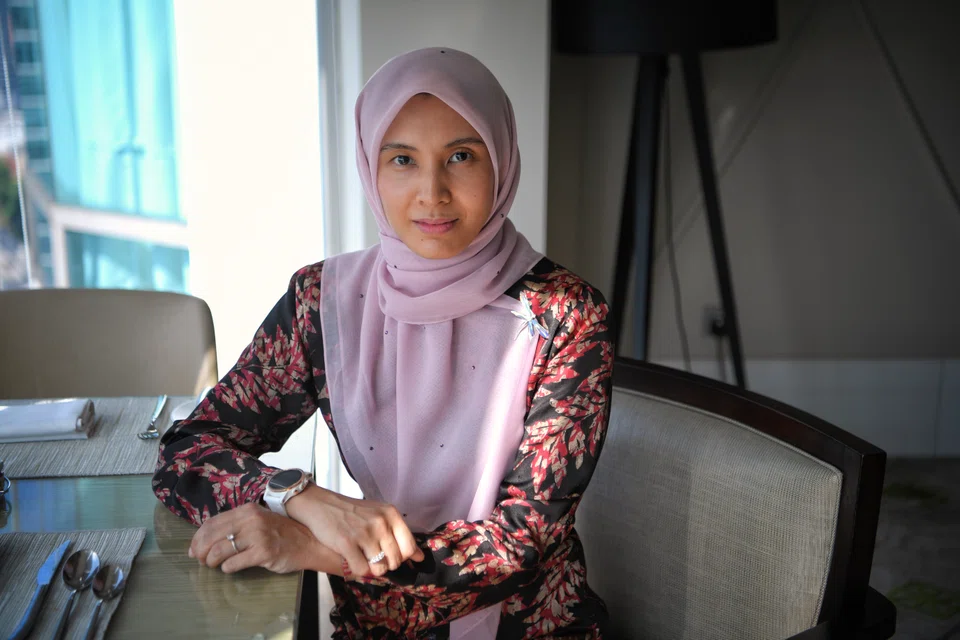
Nurul Izzah Anwar, the vice-president of Parti Keadilan Rakyat (PKR) and eldest daughter of former deputy prime minister Anwar Ibrahim – said that if not for the outcome of the last general election in 2018, which saw the Barisan Nasional (BN) government toppled from power, the country would be seeing even more money draining out through corruption.
“Malaysia was really salvaged from a kleptocratic scandal of a global nature,” she said, referring to the 1Malaysia Development Berhad saga that eventually led to the downfall of former prime minister Najib Razak.
Nurul, whose nickname is the “Princess of Reform” and is defending the Permatang Pauh seat in Penang, noted that Malaysia’s peaceful and orderly transition of power five years ago could be an example for other countries in the region to learn from.
Since then, Nurul said that voters in Malaysia are now more demanding of politicians as they are eager to see the country make progress, and to achieve it more quickly. This, she added, has pushed lawmakers to take action to achieve greater stability.
“If we didn’t have a change of government (in 2018), we would still be stuck in the past. To be progressive and become better, that’s the positive development for Malaysia. And that’s what we hope for other South-east Asian countries too,” said the 41-year-old, whose father Anwar is the current chairman of Pakatan Harapan (PH).
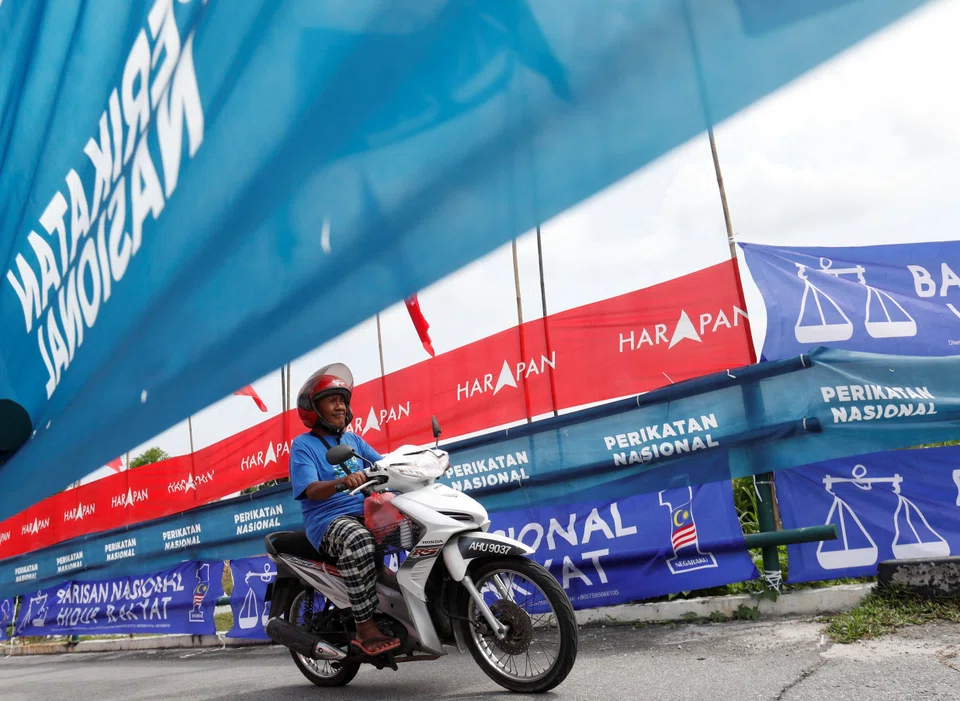
Campaigning for Malaysia’s next general election began on Nov 5, with 949 candidates competing for 222 parliamentary seats and 436 candidates contesting 116 state seats. Polling Day is on Nov 19.
Despite taking a big leap in democracy development, with PH defeating the long-ruling BN coalition at the last election, the collapse of the two young coalition governments – PH in 2020 and Perikatan Nasional last year – has often been associated with stagnant economic growth and an ongoing brain drain in the country.
BN, which is fighting to regain its dominance, has touted the promise of political stability as the main theme of its election manifesto – both to win votes in the state elections that were held in the past two years as well as for this month’s general election.
Naturally, few of the opposition faces – especially the younger candidates – agree with that sentiment. Anthony Loke, secretary-general of the Democratic Action Party (DAP) and Syed Saddiq Syed Abdul Rahman, president of Malaysian United Democratic Alliance, both feel that Malaysia would not have a more stable government if the BN coalition were to win the polls.
“What’s the point of having a stable government that is stably corrupt?” said Syed Saddiq, the 29-year-old MP for Muar in Johor. He added that it is just as important to have a government with integrity, good governance and the courage to make tough changes when it matters most.
The former minister of youth and sports, whose father was a Singaporean (and took up Malaysian citizenship in 2017), was given two opportunities to pursue a Master in Public Policy in Oxford University in the United Kingdom on a full scholarship, but he turned them down each time to stay on and serve the nation.
“While I was given a chance to leave, millions of Malaysians are not being given the same opportunity, I hope to contribute to build a Malaysia in which everyone can get quality jobs, and easy access to good public transportation and education,” he told The Business Times.
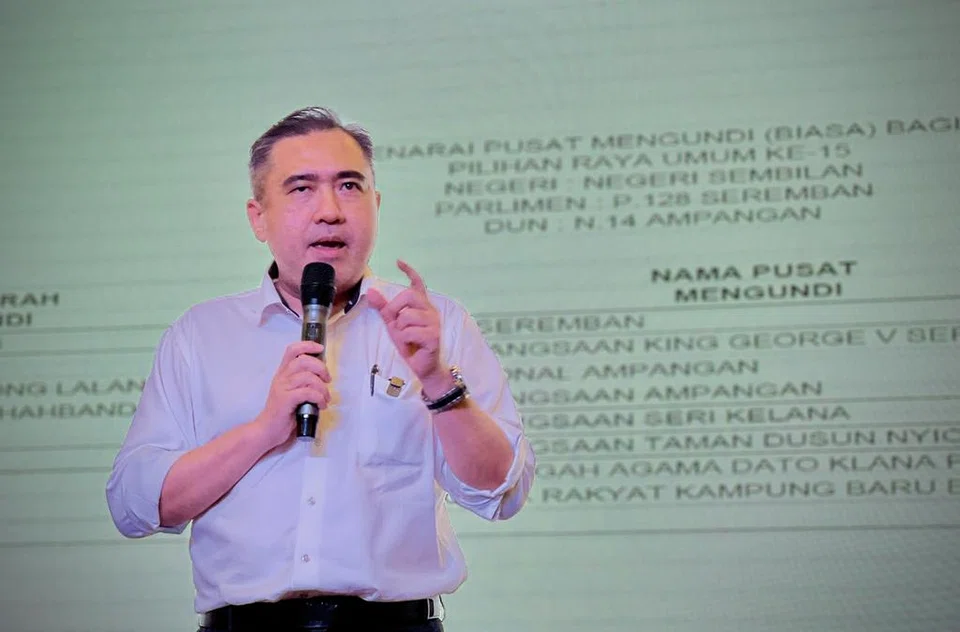
DAP’s Loke, who is 45, said the progress of achieving democracy should not end with the outcome of just one election.
“Many developed economies took years or even decades to achieve real democracy. Malaysia is on its way and voters should not give up. We have shown the world that the transition of power can be done in a peaceful way,” he said. Loke is set to defend the Seremban seat in a five-cornered fight on Nov 19.
As for reviving the country’s economy and putting a stop to the exodus of talent, Loke said this month’s election gives every political party in Malaysia a reset. He hopes this could, in turn, lead to a new government with a fresh but relevant direction for sustainable growth.
“We have all the good factors in place – geography, resources and workforce – that could enhance our competitiveness in South-east Asia, but we lack leaders that know how to make use of these resources,” he said, adding that it is important to choose the right leader, rather than the political party.