

Ability to adapt is key to staying ahead of changing trends, says StanChart’s Li

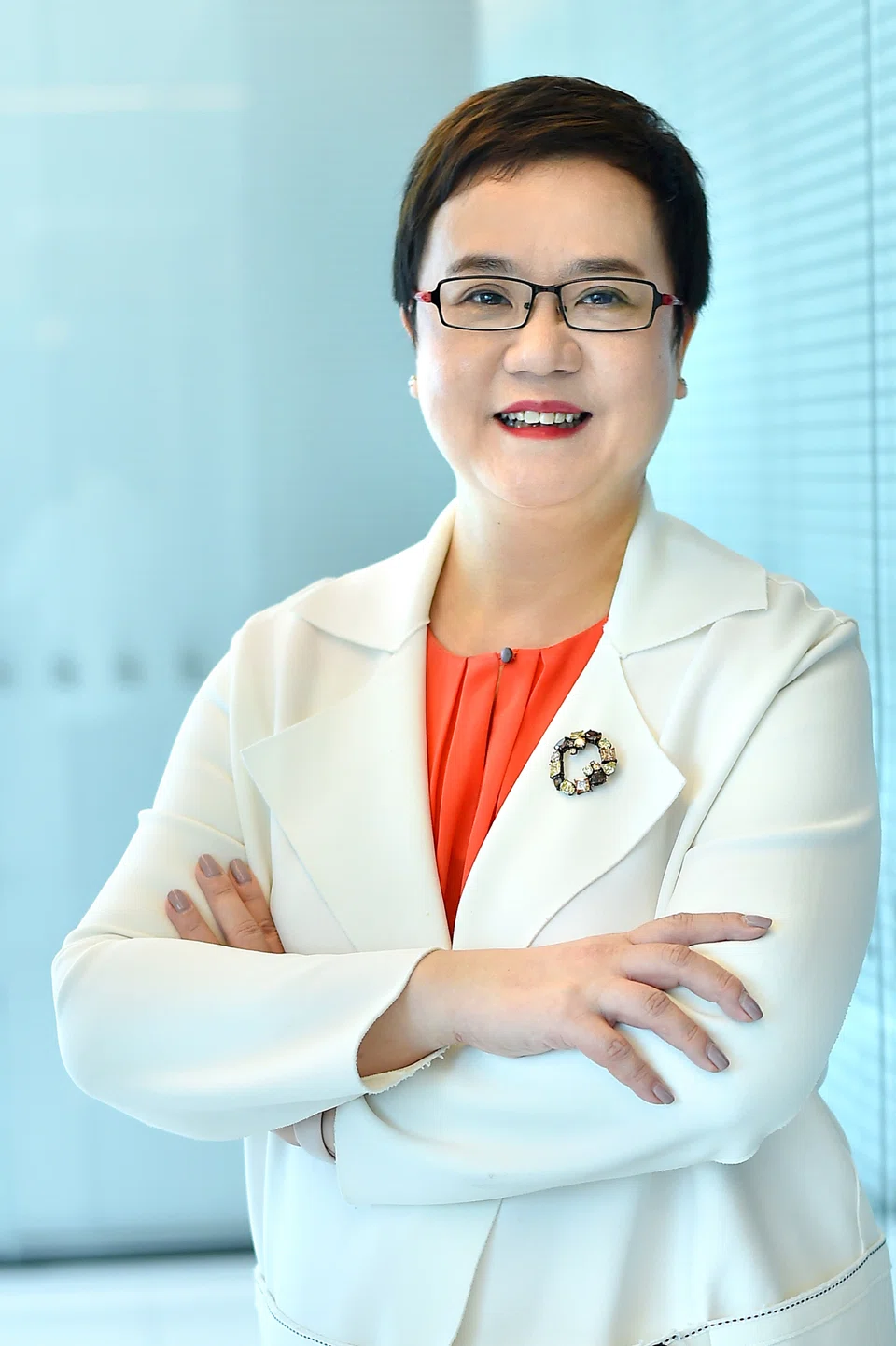
JESSIE Li believes adaptability is one of the greatest assets amid changing trends in banking and finance.
“With macroeconomic challenges, geopolitical changes, environmental transitions and other factors, it is no longer a cliche to say that the only constant now is change,” said Li, who was appointed Standard Chartered Bank Singapore’s head of consumer, private and business banking (CPBB) in April.
Born and raised in Hong Kong, Li has since moved across multiple cities and countries. She describes herself as a universal travel adapter — “versatile and applicable worldwide, and agile enough to suit different conditions and locations”. It is also a conduit of energy sources for us to function and thrive, she added.
Li identifies 3 key trends for the sector in Singapore: The need to be more agile at work; the digital shift in how people bank, and the enormous business potential in the high-net-worth client segment.
“In my years of wealth management across different markets in Asia, I have found that clients appreciate access to strong global wealth advisory and solutions to help them seize cross-border wealth opportunities. And a bank with a strong international network like Standard Chartered offers just that. This is definitely an exciting segment to watch and grow,” she said.
Here are some excerpts from Li’s conversation with The Business Times:
How did you end up here?
It was a natural transition for me. As someone who never settles, I remember reaching a point in my career where I wanted a different challenge.
I have had 30 years of banking experience covering assets, liabilities, credit cards, wealth management, risk and distribution management in different markets, and I wanted to do more in a new environment.
Thankfully, Standard Chartered Bank supports its employees to explore roles across borders as part of one’s career development. So when the opportunity came for me to build the bank’s business in Singapore, to accelerate digital, drive wealth management and affluent client growth, I was excited for the new challenge — especially in a bustling financial hub like Singapore.
Could you elaborate on a key trend you see within your area?
One key trend that I see and am passionate about is growing the number of women leaders in the banking industry.
We are seeing a healthy growth over the years, much better than when I first started out in this industry 30 years ago, but I believe more can be done to help women achieve their fullest potential.
I understand and empathise with what women go through, as we strike a meaningful balance between family and work, and this ties in very well with the bank’s stand in empowering women and lifting participation to push inclusion in the industry.
Female representation in senior positions has increased across the bank from 26 per cent in 2016 to nearly 30 per cent in 2021, and we are committed to improving further to 35 per cent by 2025.
How does this affect your role?
CPBB is a people business. I believe it’s important to understand the people behind the business — the clients and the employees.
As much as it is crucial that I focus on growing the business, my priority is also to build our people.
With our initiatives in sustainability, employee welfare and well-being, and diversity and inclusion, our people are our greatest driving force — and I want to help not just women, but all, to fulfil their best potential.
The Banker is a monthly column on changing roles in banking and finance.
TRENDING NOW

He built the Vingroup empire. Now South-east Asia’s richest man is handing some key roles to his sons

Morgan Stanley investment-bank list leaked in email boo-boo

Could Grab CEO Anthony Tan’s US$30 million share purchase be aimed at reassuring investors?

From folding clothes to factory work: Why China is sending humanoid robots to school

