

Analysts flag potential M&A risks in OCBC's rumoured Permata buy
Singapore
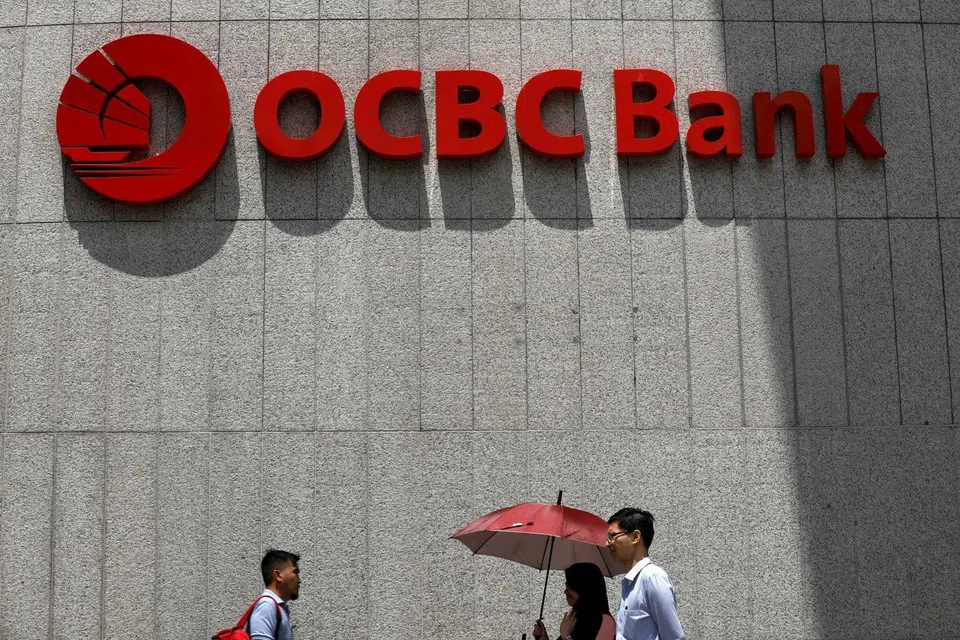
SOME analysts are raising acquisition risks behind the reported interest by OCBC to snap up most of Indonesian lender Bank Permata, warning that these pressures could weigh on the bank's shares in the near term.
Bloomberg reported last Wednesday that Singapore's second-largest lender was weighing a bid for a controlling stake in Bank Permata, which is valued at about US$2 billion.
Standard Chartered Bank (StanChart) and automotive group Astra International each own about 45 per cent of the Indonesian lender. StanChart has deemed Bank Permata as a non-core investment. Citing sources, Bloomberg said OCBC's deliberations are at an early stage. The bank has declined comment.
Citi analyst Robert Kong said the acquisition would mean a "multi-year rationalisation process" to manage network duplication and to squeeze out cost savings.
The Indonesian banking sector is due for consolidation, with the country home to more than a hundred lenders.
Still, it has been reported that under current rules, foreign banks can only have one subsidiary in the country. This means that any acquired entity will need to be merged into the new parent bank's existing unit in Indonesia.
The acquisition would also conflict with OCBC's plan to build out a digital banking presence to boost the existing Indonesia operation via OCBC NISP, of which OCBC owns 85 per cent, Mr Kong said. Citi is more keen to see the bank seek out "manageable add-on portfolios" such as in wealth management or insurance.
"We prefer a higher dividend to OCBC buying Permata," Mr Kong wrote in a report, calling for OCBC to commit to a high all-cash dividend per share that represents about half of earnings. The bank's interim dividend payout stood at 25 cents per share - representing a 44 per cent payout of the group's first-half net profit - though this is up from a 40 per cent payout ratio in its full-year 2018.
Mr Kong also looked less kindly on Bank Permata's reported return on equity (ROE) of 6 per cent, reflecting a high cost-to-income and legacy non-performing-loan issues for Indonesia's 11th-largest bank by assets.
OCBC reported an annualised ROE of 11.7 per cent for the first half of 2019.
The challenges come on top of Japanese banks edging into the picture, with Temasek Holdings having offloaded its majority stake in Bank Danamon - ranked among the top six lenders in Indonesia - to Mitsubishi UFJ Financial Group (MUFG), after Temasek's earlier attempt to sell its Bank Danamon stake to DBS failed. DBS dropped the purchase after Indonesia changed regulations and restricted single ownership in domestic banks.
Meanwhile, Sumitomo Mitsui Banking Corp (SMBC) controls the enlarged entity of Bank Tabungan Pensiunan Nasional (BTPN), after orchestrating the merger between BTPN and SMBC's Indonesian unit. The enlarged entity is now ranked among the top 10 banks in Indonesia by total assets.
To be sure, Jefferies analyst Krishna Guha said Bank Permata may offer a more pan-Indonesian presence, despite having a similar branch count. Bank Permata also has a higher current and savings accounts (CASA) ratio of 52 per cent compared to OCBC's NISP.
"The enlarged scale may help to lower funding cost and enable higher lending limits," added Mr Guha.
But DBS analyst Lim Rui Wen said there should be caution over acquisition uncertainties. "OCBC's dividend policy, concerns over its non-performing assets coverage ratio, which is the lowest among peers, as well as execution of any near-term market opportunities could continue to weigh on its near-term share price performance."
Shares of OCBC closed on Friday at S$10.63, down seven Singapore cents. Year to date, the stock has fallen 5.6 per cent and has underperformed peers, with DBS up 4.3 per cent, and UOB up 2.7 per cent.
TRENDING NOW

He built the Vingroup empire. Now South-east Asia’s richest man is handing some key roles to his sons

Despite the de-dollarisation debate, demand for dollar liquidity in Asia is growing
Can a first-time homebuyer couple earning S$18,000 a month afford a new EC unit?

Asia needs new energy security architecture

