

Asia-Pacific wealth management a bright spot amid pandemic
APAC wealth market looks set to outstrip other developed markets in AUM growth and profitability

Genevieve Cua

Singapore
THE COVID-19 pandemic has crimped business activity, but most private banks in Singapore continue to report growth in assets under management (AUM) and net new inflows, helped by wealthy clients' wholehearted embrace of digital services.
Recent months further cemented what private bankers have long believed - that the Asia-Pacific (APAC) wealth market is set to outstrip other developed markets not just in AUM growth but also in terms of profitability.
Thanks to a firm approach to virus control, the region led by China is expected to regain its economic footing ahead of the world.
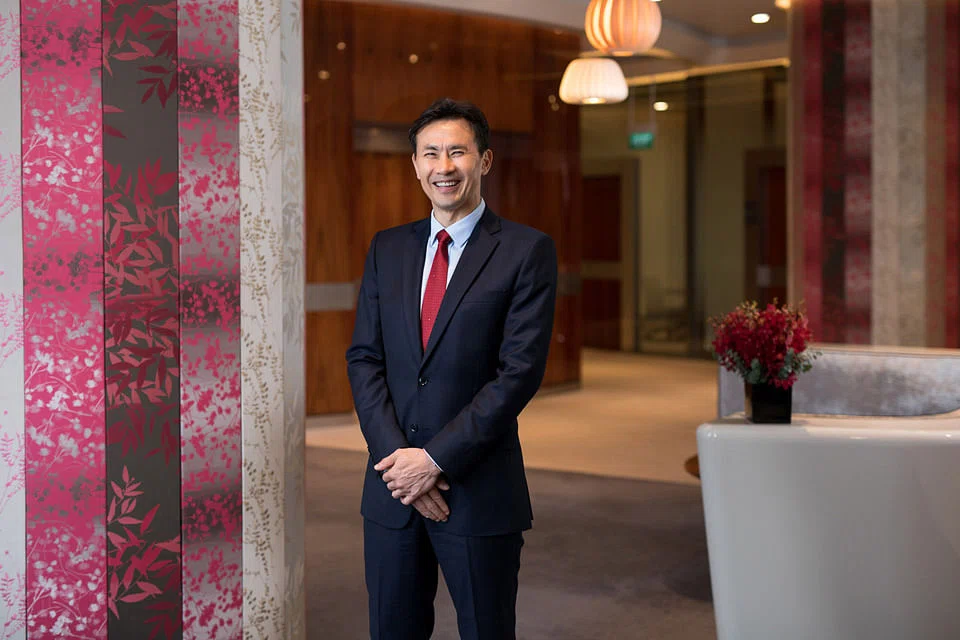
Joseph Poon, group head of DBS Private Bank, said the pandemic is likely a "hiccup" in APAC's longstanding wealth creation trend. "Asia remains the outstanding region for wealth creation and the wealth management industry over the next five to 10 years. This is buttressed by the increasing economic influence of China, India, and Indonesia and further economic maturation of a number of Asean countries."
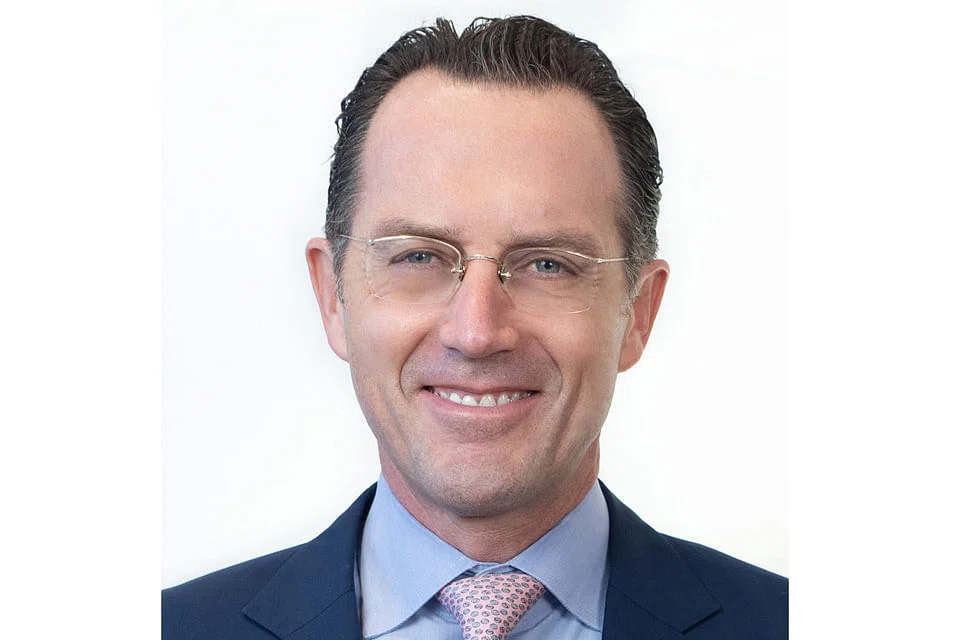
Benjamin Cavalli, Credit Suisse Private Banking Asia Pacific head and Singapore chief executive, said: "The long-term fundamentals in Asia-Pacific remain robust and we believe this will continue to drive the growth of wealth."
As the pandemic curtailed face-to-face meetings, banks using sophisticated digital services with the ability not just to disseminate views but also to facilitate digital transactions are coming out on top.
Clients' desire for, and commitment to, sustainable investments or allocations that integrate ESG (environment, social and governance) factors, has also appeared to have deepened.
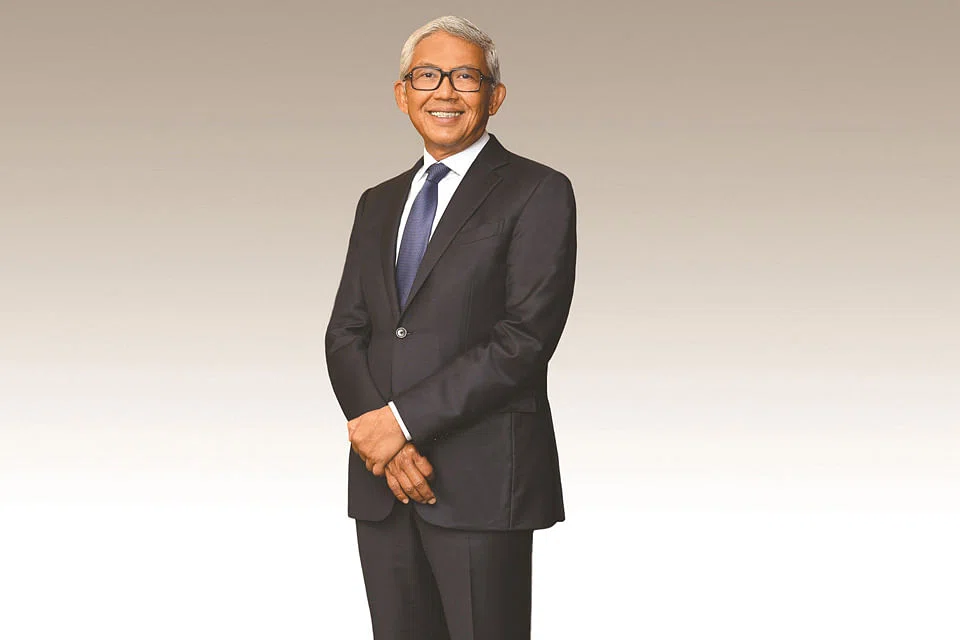
Said Bank of Singapore (BOS) chief executive Bahren Shaari: "Investors have become increasingly aware of the broader societal implications associated with their investments. We expect this to persist long after the crisis abates, shaping a much different investment landscape in the future."
UBS globally has made sustainable investments its preferred solution for wealth management. Its 100 per cent cross asset sustainable portfolio reached US$1.5 billion in July, up from US$1 billion in February, and the number of APAC clients in the portfolio rose by 50 per cent between January and July. The portfolio has rebounded by over 30 per cent since the end of the market sell-off in March.
UBS' wealth management AUM in APAC swelled by nearly 20 per cent, from US$420 billion at end-September 2019 to over US$500 billion at end-September this year, even as economies braced for sharp recessions. Net new money year-to-date reached US$11.9 billion.
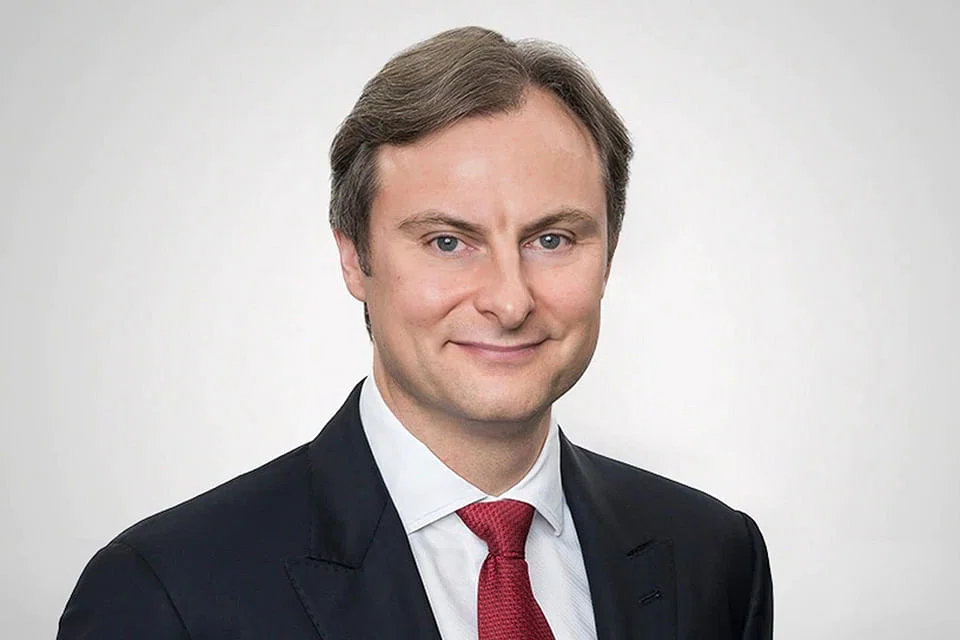
August Hatecke, Asia-Pacific co-head of UBS Global Wealth, said the pandemic has accelerated plans for a "hybrid" service model from "high tech to high touch".
"We understand our clients beyond their wealth needs and we stay close to them during the pandemic... Our digital-readiness has prepared us for all situations."
He adds that the bank has seen an "incredible uptake" of digital e-banking adoption.
DBS posted an AUM growth in its wealth management business of over 7 per cent in the first half of the year to reach S$251 billion. Wealth management includes the mass affluent and ultra high net worth clientele.
Mr Poon said: "Our AUM remains on track to finishing the year strong; this was driven by strong net new money growth, which more than doubled year on year."
Inter-generational wealth transfer is expected to boost growth. "The demand for wealth management services is likely to further accelerate along with strong and sustainable financial wealth creation, as well as the tsunami of intergenerational wealth transfer over the next 10 to 15 years, estimated to be over US$2 trillion in Asia-Pacific," he said.
For Credit Suisse, APAC AUM edged up from 217 billion Swiss francs (S$325.38 billion) at end-September 2019 to 218.5 billion by the end of the third quarter of 2020. Regional revenues were up 29 per cent year-on-year in Q320 to 1 billion Swiss francs, representing 20 per cent of group revenue. Mr Cavalli said: "We knew from very early on that technology is vital to being relevant in the future, and in 2020 it has proven to be crucial for business continuity and growth during the pandemic."
Credit Suisse's digital private banking platform has an adoption rate of 65 per cent; equity volumes via the app surged by 150 per cent and forex trade volumes doubled y-o-y. Clients' average log-in rose in recent months to one log-in every two to three days.
BOS' AUM rose 5 per cent from a year ago to US$116 billion as at end-September, thanks to net new money flows and improved market valuations.
Mr Shaari said discretionary portfolio services also saw a significant uptick, particularly among clients serviced by BOS' London office who seek greater exposure to Asia and the emerging markets.
"While growth for 2021 looks to be positive, on the back of continued global economic recovery, we remain vigilant to the resurgence of Covid-19 infections and the risk of a renewed disruption. The key focus is to continue keeping our clients at the heart of everything we do, to be a steward of their wealth."
BOS has also strengthened its services for independent asset managers through the launch of a Global IAM Excellence Centre. "Although the IAM business in Asia is in a relatively early phase of growth compared to Europe, we have observed a clear and increasing trend of senior bankers leaving established banks to set up IAM firms, and an increasing number of these firms relocating to Singapore and Hong Kong," he said.
Standard Chartered Private Banking regional head (Asean & South Asia) Cedric Lizin said Covid-19's impact on business was "limited".
"We adapted quickly to the unexpected challenges brought about this year by maintaining a strong focus on clients. As a result, we have grown existing accounts and opened new accounts in most markets during the pandemic. This resulted in higher year-on-year net new money inflows in our offshore markets."
He said the pandemic accelerated the group's digital transformation. SCB claims it is the first private bank to make its full FX derivatives (FXD) product suite digitally enabled earlier this year, targeted at sophisticated active trading clients.






