

Banks should recognise Asia's growing FX stature
The hunt for the cities to take over London's mantle as the top global financial centre could be over in no time
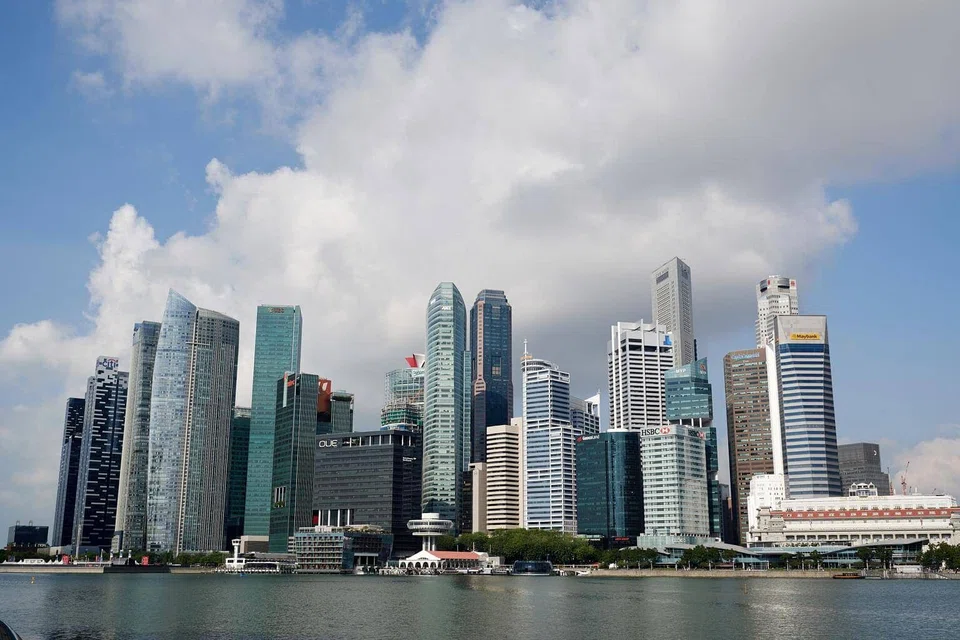
Singapore
ON ANY given day recently, more than US$1.3 trillion in currencies would have been traded in the major Asian financial centres of Singapore, Hong Kong and Tokyo - much of it before the traditional FX centre, London, has woken up.
With its central location and time zone, well-established laws and regulations and the presence of top-tier trading infrastructures, London has acquired an enviable level of global reach and influence as a foreign exchange capital. According to the last Bank for International Settlements survey, London's FX daily trading volume was a staggering US$2.406 trillion, nearly double that of nearest rival New York.
However, we've seen in recent years that the city has begun to lose its tight rein on the market. The same survey from BIS showed that London's share of global FX volumes dropped from 40.8 per cent in 2013 to 37.1 per cent in 2016, the first recorded fall in more than a decade. Partly this was due to lower volumes in currencies traditionally traded by UK banks.
But more importantly, London's Asian counterparts are beginning to catch up. Benefitting from the increasing affluence in Asia, Tokyo, Hong Kong and Singapore's combined market share have increased from 15 per cent to 21 per cent of global FX volumes.
Singapore, in particular, has steadily grown to become the third largest foreign exchange centre after London and New York, accounting for 7.9 per cent of the market share alone. Its average daily trading volume reached US$517 billion in 2016, up 35 per cent from US$383 billion three years ago. It is likely to be higher today.
It is easy to see why. For one, Asia emerging-market currencies have exhibited increased global trading patterns in recent years - with the likes of China and India leading the way. BIS data also showed that turnover for non-deliverable forwards (NDFs), an important FX derivative, increased by 5.3 per cent in dollar terms between 2013 and 2016, and four of the top five NDF currencies are in Asia.
Moving eastwards
Volume of Asian NDFs has continued to go up as market volatility has returned, in particular that has affected the US dollar/Korean won and US dollar/Indian rupee. Around 75 per cent of the Asian NDFs are now traded by 7 pm Singapore time on the EBS platform, with Singapore accounting for about 50 per cent of that trading on its own.
The answer is clear: the centre of gravity for FX trading is slowly, but surely moving eastwards - a natural result of Asian economic growth and the increasing importance of Asian currencies in global trade and investment.
The growth of the Asian markets doesn't just end with the big three of Tokyo, Singapore and Hong Kong. Amid a gradual liberalisation in China, and the internationalisation of the renminbi, Shanghai has the potential to emerge as a crown jewel and financial institutions are keenly keeping an eye on the city. The Chinese government has set an agenda to turn the metropolitan city into a global financial centre by 2020, all while the renminbi doubles its share of the global market, becoming the world's most heavily traded emerging-market currency. China is in the mix to become an FX trading powerhouse, and the emergence of Shanghai is one to watch.
Real star
But the real star in recent years has been Singapore by far. Since becoming the largest FX market in Asia in 2013, Singapore's success in the global currencies-trading business has been apparent. Singapore's proximity to emerging markets such as Thailand, India, Malaysia and Indonesia is a clear advantage.
Besides, the country's drive towards becoming a Smart Nation and the clear and distinct regulations have also enabled fintech to flourish. Increasing adoption of electronic trading platforms have enabled market participants to consolidate their trading activities in major financial centres across different time zones. Singapore, with its advanced electronic trading capabilities, makes it an ideal location for global and regional banks as well as non-bank market participants to establish their forex presence.
There is no denying that Asia, led by Singapore, is gaining serious momentum in the global FX trading arms race. It is time for international banks to consider long-term FX trading infrastructure in Asia and leverage the opportunities it could possibly bring, as the hunt for the cities to take over London's mantle as the top global financial centre could be over in no time.
TRENDING NOW

Once staunchly pro-China, Malaysian Chinese businesses are now distancing themselves from Beijing

New launch or resale unit? Here’s a guide for homebuyers
The lesser-known prospects in the Asian chipmaking supply chain

Cliff Tan has 7 million followers and a 4-month waitlist. Why won’t he expand his business?

