

Big global banks burnishing Asia wealth strategy from Singapore vantage point
Singapore
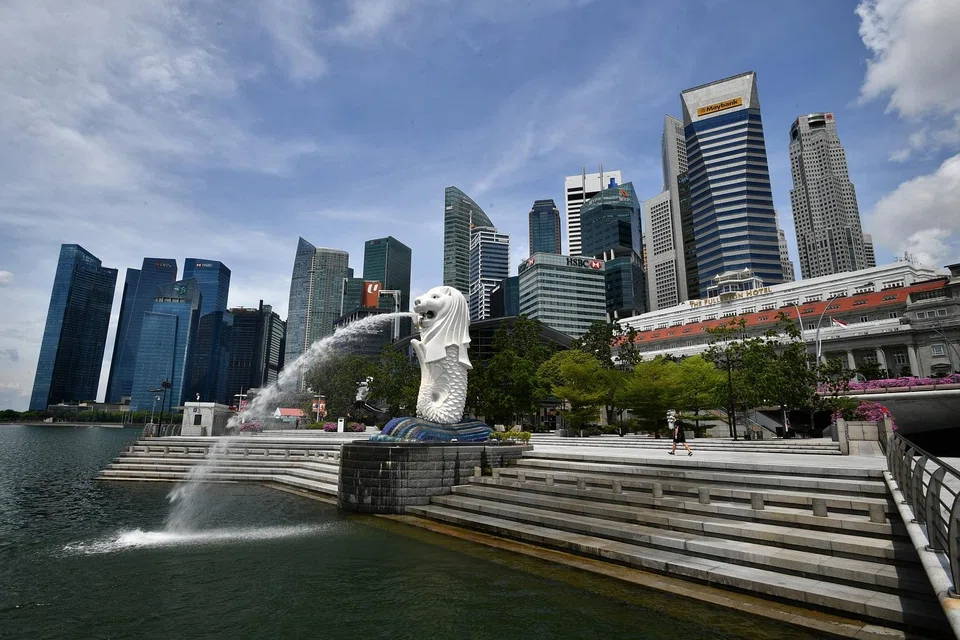
SINGAPORE sits as an important node in booking offshore wealth flows from the region. Given this, Citi's latest move to double down on hubs like Singapore will have it join peers tapping the Republic as a big regional magnet for offshore wealth.
Large global banks with offshore centres here are relying on institutional referrals and their globality to attract the well-heeled to park their funds with them, via Singapore or other offshore hubs.
Singapore is among the top global offshore wealth booking centres. The lion's share of assets under management, or about three quarters, originated from outside the city-state, showed data from the 2019 Singapore Asset Management Survey by the Monetary Authority of Singapore.
A 2020 global wealth report by Boston Consulting Group found that Singapore is the third-largest hub for cross-border wealth, with total bookings in 2019 exceeding US$1 trillion.
Several global banks build their offshore business by working with the institutional side of the business, such as investment banking. Some large global banks such as Credit Suisse have made it part of investment bankers' priority to successfully refer net new assets to private banks in order to rise up the ranks.
Morgan Stanley similarly told The Business Times (BT) that the bank inter-refers clients within its business units, making every investment banking client a potential private wealth management client for the bank in this region, and vice versa.
Banks that want to have a slice of the offshore wealth pie without a brick-and-mortar presence in the individual markets can also do so through partnership referrals.
Umair Hameed, partner for financial services advisory at KPMG Singapore, said that an increasing number of banks are taking the tie-up approach. Regional or global banks operating out of offshore booking centres work with local peers in different regions to take in referred onshore clients.
These clients may want to access more global products or South-east Asian expertise, and diversify their wealth holdings by parking them in key wealth centres.
The tie-up trend has won a further boost from loosening wealth management regulations in Singapore and other South-east Asian countries, said Leon Ong, partner for financial services advisory at KPMG Singapore.
For example, the regulations in Thailand have been adjusted so foreign banks such as those headquartered in Singapore can offer more services to residents in Thailand.
That said, while partnerships and tie-ups have increased, this model has not evolved that significantly due to know-your-customer requirements and other considerations such as tax, said Sam Kok Weng, financial services leader at PwC Singapore.
And even as banks position themselves to capture more of these offshore wealth flows, there has also been a significant shift in these flows coming onshore. The Variable Capital Company (VCC) regime, launched in Singapore in January 2020, is designed to attract the assets of fund managers and family offices.
With the VCC structure, wealth owners create entities here and hire people to manage their wealth, which means they have some corporate ties or roots in Singapore, said Mr Sam.
The number of family offices being set up in Singapore has risen since then. As at October 2020, an estimated 200 single family offices sit here, managing about US$20 billion in assets. Banks have also been more deliberate in leveraging on corporate relationships to extend to family wealth, said PwC's Mr Sam.
Nicole Bodack, managing director for capital markets and growth markets at Accenture, said: "The opportunity has not been lost on banks, many of which have accelerated their family office capabilities to cater to this new market." Even during Covid-19, banks found ways to get around the lockdowns and inability to fly to still bring in business.
KPMG's Mr Hameed said that clients have become increasingly receptive to a "lower-touch" interaction model with their relationship managers. They now accept the greater use of technology platforms and virtual engagement tools.
At the same time, wealth managers have also tried to hire their workforce locally, to support business development efforts, he said.
As the Covid-19 outbreak meant several lockdowns last year and travel curbs that largely remain in place, there was more focus on increasing share of wallet, rather than picking up new customers last year, said PwC's Mr Sam.
Strong market performance last year should have translated to a lift in fee income, in most cases.
As for Singapore-based banks, being licensed to operate wealth management locally means a ripe chance to capture new flows from customers via digital channels.
This can include hefty onshore flows from Singapore-based customers. Citi told BT that Singapore onshore investable wealth assets are projected to grow by 46 per cent over the next five years in the emerging affluent, and affluent segment.
Regardless of whether these flows are onshore or offshore, banks are aggressively competing for a slice of this wealth pie.
Citi's latest move shows how Singapore shines now in the midst of the uncertainties elsewhere, with low taxes, regulatory framework and stability still a draw. With the surge in global wealth, especially from Asia, Singapore looks set to benefit.
TRENDING NOW
‘My grandfather’s legacy’: Sherman Kwek lays out three-year plan for CDL to drive returns

He built the Vingroup empire. Now South-east Asia’s richest man is handing some key roles to his sons

Canada is upping oil flows to Asia, but South-east Asia’s refineries aren’t ready to handle them yet

Deal between tycoon friends sparks scrutiny of Philippine power sector

