

CGS-CIMB launches S$150m commercial paper in digital securities on iSTOX
Move allows financial services provider to tap alternative source of funding and wider spectrum of investors; money raised will be used to fund operating expenses and near-term obligations

Singapore
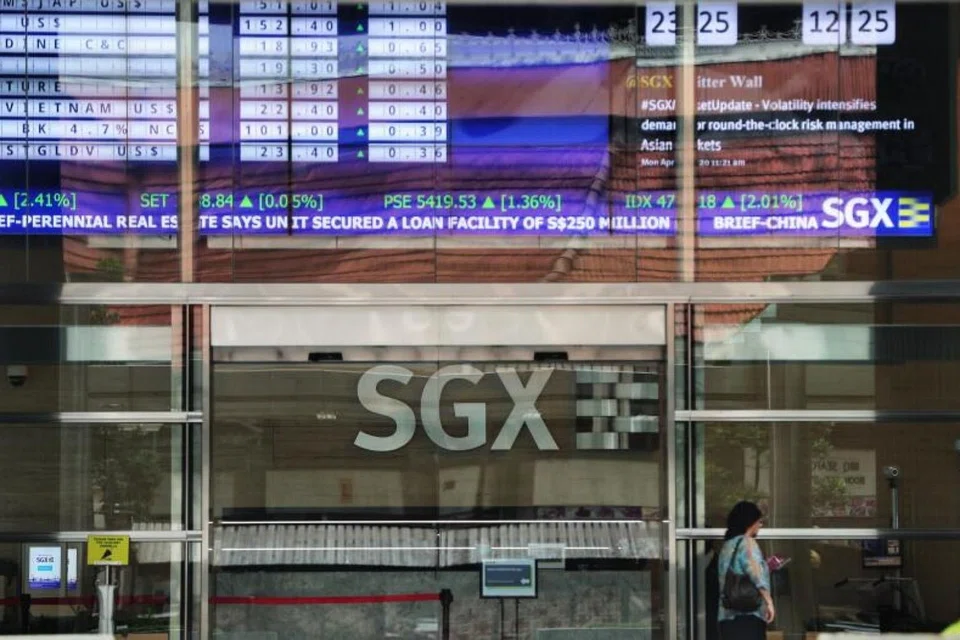
CGS-CIMB Securities (Singapore) has launched a S$150 million multi-tranche commercial paper entirely in digital securities on iSTOX, the digital securities platform backed by Singapore Exchange (SGX), as the financial services provider looks to widen its investor base.
Commercial papers are a form of unsecured, short-term debt instrument. In this case, the money raised will be used to fund CGS-CIMB's operating expenses and near-term obligations.
The first tranche of S$10 million was listed and completed in April, with a minimum ticket size of S$200,000.
Investors were offered a 1 per cent per annum interest rate over three months.
The programme has a tenure of 364 days, providing for multiple tranches over the next few quarters, up to a maximum amount of S$150 million. But this figure can be increased, should the need arise.
This is the first time CGS-CIMB has issued a commercial paper fully digitally. Its chief executive Carol Fong noted the efficiency of this approach: "It allows us to tap an alternative source of funding and a wider spectrum of investors. In working with iSTOX to launch this programme, we were pleasantly surprised that it was completed in half the time a traditional issuance would usually take."
Using blockchain and smart technology, iSTOX automates the issuance, custody and post-sale management of securities. This also enables it to fractionalise ownership, giving investors access to lower fees and better liquidity.
Commercial papers are typically used to finance payroll, accounts payable and inventories, as well as to meet other short-term liabilities. They are typically issued at a discount from face value, reflecting prevailing rates, and are widely considered to be a low-risk investment due to their short-term nature.
The listing of the digital commercial paper on iSTOX's secondary exchange gives investors an option to cash out ahead of maturity.
Traditional commercial papers, on the other hand, are not generally traded because of their short tenure. The options for cashing out ahead of maturity are therefore more limited than longer-term assets in the traditional private market space.
The CGS-CIMB digital commercial paper programme also marks iSTOX's foray into a new product line. The fintech company is in discussions with a number of companies about potentially issuing commercial papers and other debt instruments, said its chief commercial officer Choo Oi Yee.
"Compared with a fixed deposit at a bank, a commercial paper investment offers a significantly higher interest rate. It also helps the investor avoid the risk of incurring a penalty should there be a need to withdraw funds ahead of maturity, since the iSTOX exchange can facilitate the sale of the paper to other investors," she said.
Issuers benefit from a digital issuance as it reduces the need to work with multiple intermediaries.
The commercial paper market is said to be worth over US$1 trillion in the United States and over US$950 billion in Europe.
Asian companies have historically been more accustomed to raising funds through bank loans or bonds or through issuing equity, but commercial papers are gaining momentum.
"With interest rates at historic lows, investors with undeployed cash are turning away from traditional cash management options such as fixed deposits with a bank. Commercial papers represent the 'next rung of the ladder' in terms of yield for investors," said Ms Choo (see amendment note).
"For companies, this new-found demand from investors presents to them a chance to diversify their funding sources at interest rates potentially lower than bank credit lines."
Amendment note: The first version of this story misspelled Ms Choo's last name on second reference. The article has been amended to reflect this change.
TRENDING NOW
Incidence of civil servants buying property near unannounced MRT stations ‘a concern’, but may not establish misconduct: PSD

Grab CEO’s wife Chloe Tong on life with Anthony Tan and finding her purpose

Income Insurance appoints former Manulife Singapore top man as new CEO

HDB reviewing ‘jumbo’ flat scheme after Telok Blangah unit listed for sale at S$2.18m

