

China's Anbang seeks stake sale in rural banks
The Beijing-based insurance group is looking to sell stakes in 12 rural banks for over 26 billion yuan as it continues to unwind holdings
 Add BT as a preferred source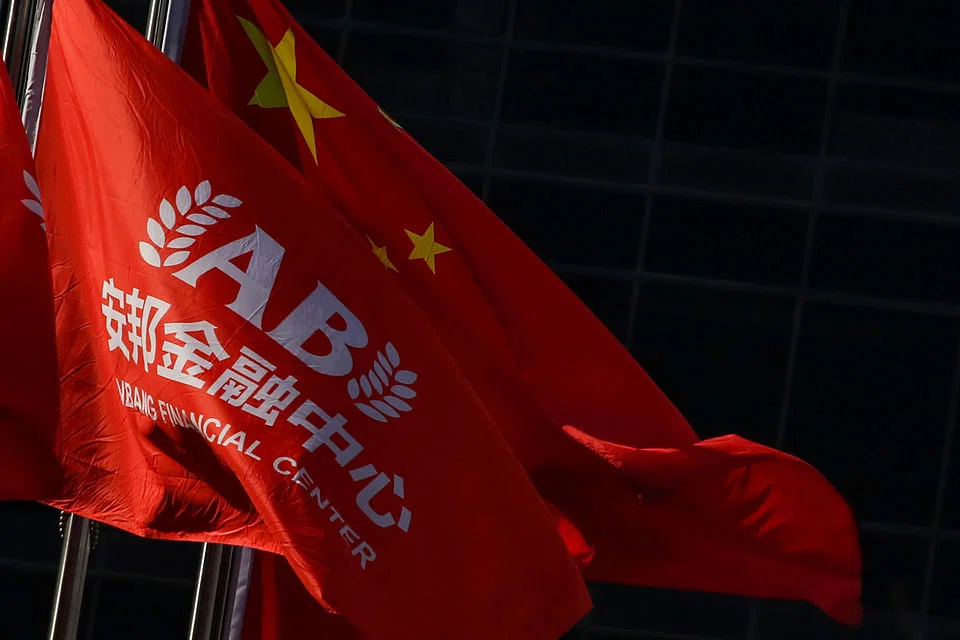
DeeperDive is a beta AI feature. Refer to full articles for the facts.
Beijing
ANBANG Insurance Group Co, the once-acquisitive Chinese conglomerate that's under state control, is looking to offload stakes in a number of rural commercial banks as it continues to unwind its holdings.
Beijing-based Anbang and its affiliates are selling 5.5 billion shares in Chengdu Rural Commercial Bank Co for 26.2 billion yuan (S$5 billion), according to a filing with the Beijing Financial Assets Exchange. Anbang is also looking to sell stakes in 11 rural banks for a total of 85 million yuan, according to a separate filing.
Anbang's global buying spree made it emblematic of China's unbridled appetite for international trophy assets. That era ended when the authorities seized control of Anbang in February 2018 and later sentenced chairman Wu Xiaohui to 18 years in prison for fundraising fraud and embezzlement. Officials then began selling some of the assets it had accumulated. Assets Anbang bought stretched from luxury hotels in the US to office buildings in Canada and insurance companies in South Korea and Europe.
The China Banking & Insurance Regulatory Commission (CBIRC), Anbang's ultimate custodian, didn't respond to a fax seeking comment. The CBIRC said in July that risks surrounding Anbang have been curbed because more than one trillion yuan of assets have been, or are being, stripped away.
"The real mystery is why these divestitures have taken so long," said Brock Silvers, managing director at Adamas Asset Management Ltd. "Beijing committed to unwinding Anbang's non-insurance assets when it first announced a two-year transitional period during which it would assert control over the company. That period will expire next month, and regulators are under the gun to complete a restructuring." However, Mr Silvers added that because the divestments are organised by regulatory authorities, "they're thus somewhat insulated from market forces, including current negative market sentiment regarding China's smaller banks".
Navigate Asia in
a new global order
Get the insights delivered to your inbox.
Anbang had previously tried to offload its direct 35 per cent stake in Chengdu Rural Commercial Bank in December 2018 for 16.8 billion yuan. This time around, it's looking to sell that interest for only a slightly reduced 16.5 billion yuan. Any potential buyers would need to make one full payment for both the direct and affiliated stakes, according to the Dec 30 exchange filing.
Anbang is the largest shareholder in Chengdu Rural Commercial Bank, which had 545 billion yuan of assets as of the end of October. The bank made a profit of 4.8 billion yuan in the first 10 months of last year. Chengdu Xingcheng Investment Group Co, an investment company backed by Chengdu city's state asset regulator, may buy 3.5 billion shares of Chengdu Rural Commercial Bank from Anbang, local media outlet Caixin reported last month.
Last year, as part of Anbang's restructuring under state control, China created a new insurance group to take over the main insurance operations of Anbang. The new entity - Beijing-based Dajia Insurance Group - will provide services as an insurance group as approved by the CBIRC and acquire the stakes of Anbang Life Insurance, Anbang Annuity Insurance and Anbang Asset Management, as well as some assets of Anbang Property & Casualty Insurance. That formal establishment of a fresh body signalled a major step in officials' efforts to overhaul the unwieldy conglomerate before aiming to return it to private ownership when a two-year takeover period ends in February.
The government has been quiet on that progress. The Financial Times reported in November that Beijing is in talks with investors to sell all or part of its 98 stake in Dajia, citing two sources. BLOOMBERG
Share with us your feedback on BT's products and services
TRENDING NOW
Genting Singapore’s Lim Kok Thay receives S$7.5 million pay package for FY2025
China pips the US if Asean is forced to choose, but analysts warn against reading it like a sports result

Singapore has experience to explore more underground spaces for fuel reserves: Tan See Leng

Defensive S-Reits emerge as analysts’ top picks amid macro jitters

