Covid-19 widens field for new digital banks as inclusion gap narrows
MAS sticks to plans of up to five digital banks in Singapore; keeps path to profitability timeline intact
Singapore
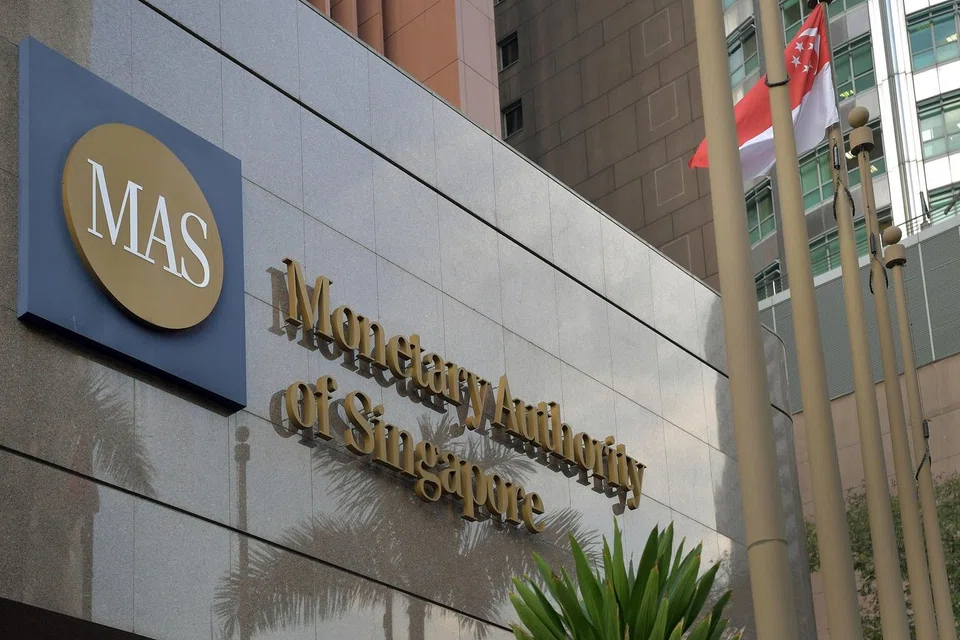
THE Monetary Authority of Singapore (MAS) is sticking to its planned number of digital bank licences that it will issue, with the regulator "impressed" by the quality of applications that have been reviewed, said its top official.
It has also not dramatically changed the timeline for new digital banks - up to five will be awarded licences by MAS by year-end - to establish a path to profitability on a five-year financial projection.
Speaking to The Business Times in a wide-ranging interview ahead of the SFFxSWITCH event this year, MAS managing director Ravi Menon said with the pandemic, digital banks will enter the market with the benefit of digital adoption having accelerated here.
"The digital banks are entering the scene with a lot more Singaporeans now comfortable to operate on digital channels. In that sense, I think the landscape is more conducive for them because we are more digitally ready," said Mr Menon.
As at June, 14 digital bank applicants are in the running, comprising five digital full banks and nine digital wholesale banks. The licences are for up to two for digital full banks that would permit retail banking, and no more than three for digital wholesale banks.
To be sure, digital banking results were postponed by about six months, due to Covid-19.
MAS sought out fresh plans from the digital bank applicants to show how they would cope with the pandemic, and the post-Covid landscape.
"Financial strength of the parent is something we look at very closely," said Mr Menon. The regulator also looks at the quality of the management to make its final decision.
These challenger banks will burst onto the scene at a time when digital exclusion here has narrowed to some extent. Financial service players have had to simplify their offerings in the midst of safe-distancing arrangements to bring on more of these excluded segments of the population, Mr Menon said.
But while this means that digital and financial inclusion has been expanded, there remains that stubborn last group that presents a more difficult problem to crack. That remaining non-digital group will find it difficult to adapt because it has become very hard to customise offerings to them.
"We need to now work extra hard on that group," said Mr Menon, adding that the entire industry - including digital banks - will add to that effort. This includes "hand-holding" players such as hawkers to adopt digital solutions such as e-payments and electronic invoices.
Mr Menon noted that the new dimension brought by the digital banks - with their ability to crunch large datasets - is to hit specific areas of service gaps despite a largely well-served banking market here.
For example, while it is fairly easy to get a mortgage in Singapore, there remain gaps in financial planning.
"The ability to aggregate data and draw insights from it is very critical," said Mr Menon. "We are hoping that some of these digital banks will be able to do that, and that will provide stiff competition to the existing banks, who will raise the game as well."
Meanwhile, micro enterprises find it difficult to get just $200 overnight from banks to make an urgent payment to suppliers, even though working capital is generally available. "It's easier to borrow $20,000 than to borrow $200 overnight," said Mr Menon.
"But we've seen examples in China, where some of these non-financial players using large data sets that they know about the individuals, are able to make a quick credit assessment within minutes and extend that $200 overnight. And they do get the money back. They earn a small interest. So it is profitable, it is sustainable. And that is the kind of thing that you'd like to see here with very specific segments of the population."
Having a digital bank framework draws non-traditional tech players that are expanding into financial services into the regulatory ambit.
While Mr Menon did not comment directly on the pulled listing of Ant Group, he noted that the tightening of regulations speaks to Chinese authorities rightly reining in the growth of shadow banking in the country.
This means that such new players must meet the same high regulatory standards held for banks. Mr Menon also said there is no compromise of cybersecurity standards for digital banks - with applicants including consumer tech firms that have been hit by recent cybersecurity breaches.
Digital banks had to provide in their applications a detailed evaluation of their cyber defences, and risk management capabilities. With them operating predominantly in the digital realm, service recoverability in cases of downtime is key. Many of them also would not be operating with traditional servers, but probably using the public cloud, which presents its own set of risks.
"Although they are technologically advanced, it doesn't mean that they necessarily have all these strong protections that banks have with respect to data confidentiality and so on. This has been something we've insisted from day one. They are coming in with their eyes open."