Family offices may drive SPAC growth in Singapore
As at last October, 200 single-family offices in Singapore had US$20b in AUM; but it's early days and the rules haven't been drafted: JPMorgan exec
Singapore
THE rising number of family offices in Singapore may well drive issuances of special-purpose acquisition companies (SPACs) in Singapore.
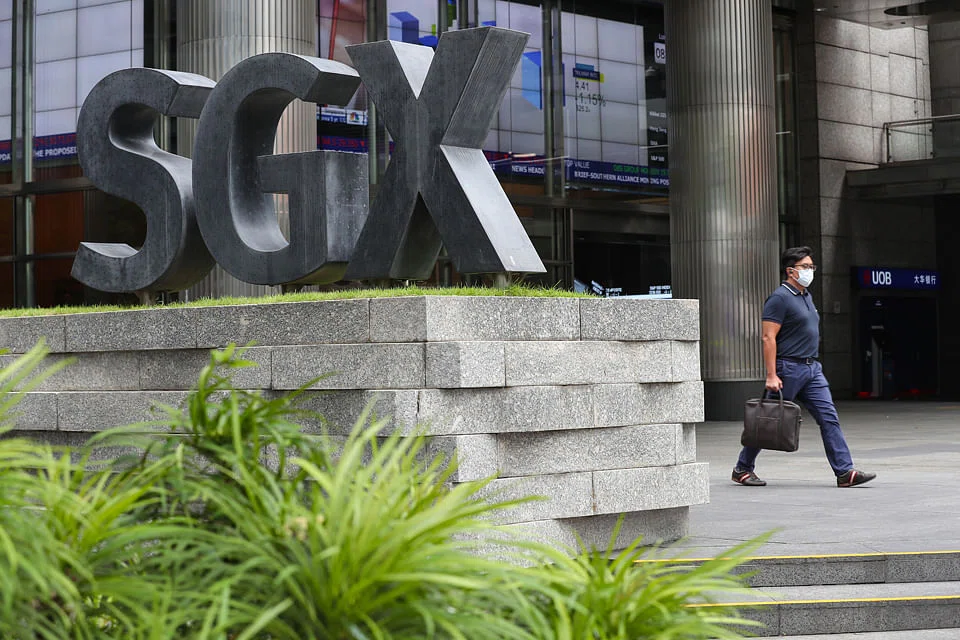
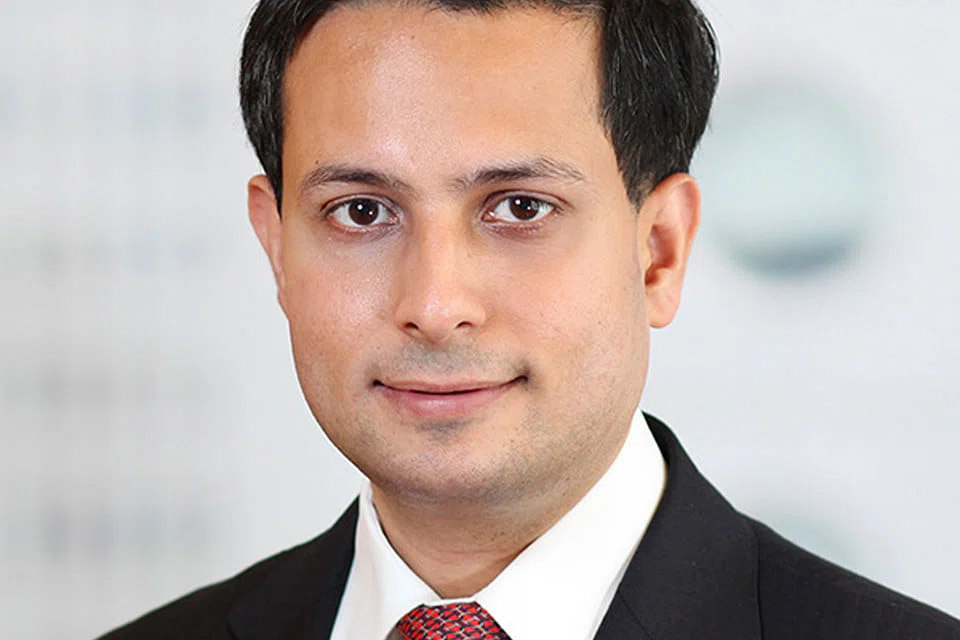
This may be one differentiator for the Republic, with the Singapore Exchange (SGX) planning to consult on SPAC listings this quarter, said Gaurav Maria, JPMorgan head of equity-linked and private capital markets for the Asia-Pacific.
But he said the market is still waiting for rules out of Singapore on this latest listing trend in the US.
"Will (the SPAC structure) exactly mirror that in the US? If there are differences, what do they mean for sponsors, investors and target companies? All these need to be evaluated," he told The Business Times. "It's still too early to have conversations with potential sponsors or potential companies. The rules haven't been drafted."
SPACs are blank-cheque companies that raise capital through initial public offerings (IPOs). After the IPO, they have about two years to "de-SPAC", that is, merge or acquire a target company.
A listing structure resurrected from the late 80s, SPACs in the US entail listing a shell company. SPAC sponsors have that two-year period to find a suitable business to inject into the empty listing.
This fund-raising structure has swept Wall Street and raised some US$70 billion through issuances this year.
Market watchers note that, in general, regulators mulling SPACs would need to study the underlying structure of such listing vehicles to ensure the right risk-return profile for investors. They also need to calibrate disclosure requirements so investors stay informed.
If SGX paves the way for SPACs, it would join two other Asian bourses - those in South Korea and Malaysia - in offering SPACs.
As the pipeline of tech unicorns grows in Asia, the listing of SPACs in Singapore could enliven its capital markets, said market watchers.
Family offices could also bring a buzz to the capital market. As at last October, an estimated 200 single-family offices in Singapore were managing assets of about US$20 billion. This year, the family office of Google co-founder Sergey Brin set up a branch here, as did hedge fund billionaire Ray Dalio.
Udhay Furtado, Citi co-head for Asia equity capital markets, told BT that some SPAC listings in the US, for example, are by "famous" sponsor groups which may be specialists in a particular field.
"In the event of a merger, the sponsor is able to provide the target company with an additional angle to access the US capital markets which, in certain instances, is an attraction for some companies," he said.
Still, building up a strong supply of SPAC sponsors alone may not translate into more listings on the SGX.
The popularity of a SPAC sponsor or merger is largely driven by the availability of viable companies that are ready to list, said Mr Maria. "They should be of a certain scale and have certain levels of liquidity."
Asia has been touted the next hunting ground for SPAC acquisitions, with tech unicorns Grab and Indonesia's Traveloka reportedly considering the SPAC listing route - but in the US. So while the SGX could be an alternative listing venue for SPAC mergers, Asia-based companies may still turn to the larger US exchanges, depending on their business objectives. Asia accounts for just 5 per cent of the global SPAC market, Bloomberg data shows.
Within Asia, Singapore could also face competition from Hong Kong, which is also mulling SPAC listings. Last year, the Hong Kong Exchange drew about 145 listings that raised HK$397.3 billion (S$68.84 billion). The SGX had 11 IPOs, which raised S$1.45 billion.
If both exchanges open up for SPAC listings with similar structures, more volumes and diversification among SPAC sponsors can be expected in Hong Kong.
DBS group head of capital markets Eng-Kwok Seat Moey told BT the region's high-growth companies may benefit from the "familiarity of listing on an Asian exchange". "SPAC activity in the US has been focused on electric vehicles, technology, media, telecom, and health care sectors in the past year. This interest will likely carry over into Asia," she said.
READ MORE: