Fixed deposits losing their allure as yields spike on Singapore Savings Bonds

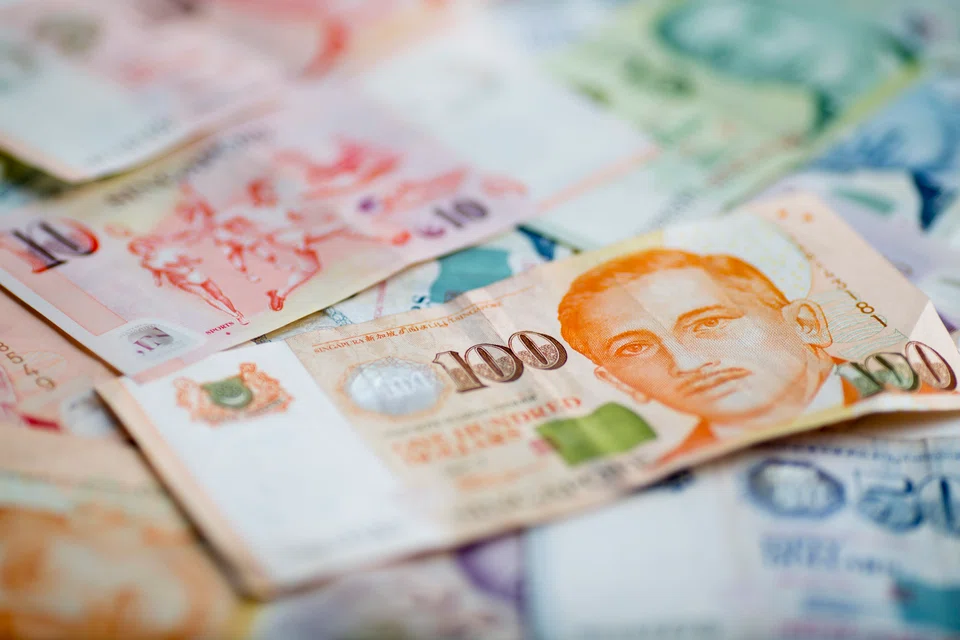
RISING interest rates make fixed income products more enticing than they have been in years. But although rates on some fixed deposit products have nearly doubled in the last 2 months, the yields from Singapore Savings Bonds (SSBs) are proving hard to resist.
The July 2022 tranche of SSBs saw applications worth S$1.3 billion. Applications for the tranche, with an average return of 2.7 per cent if held for 10 years, closed on Jun 27. A total of S$600 million was allotted.
Applications for the August tranche open today (Jul 1), and are widely expected to yield even more and also receive more applications.
The rush into SSBs comes despite sharply increased rates in recent months for fixed deposits. Banks in Singapore have raised promotional rates for fixed deposits across various tenures by between 0.1 and 1.1 percentage points since the end of April, according to The Business Times’ poll of 7 banks here.
UOB is among those offering the highest rates: 2 per cent per annum (p.a.) for customers placing at least S$20,000 over a 15-month tenure, up from 0.9 per cent at the end of April.
Bank of China, Singapore is offering 2 per cent p.a. for a minimum placement of S$5,000 over 24 months, up from the 1.3 per cent it was offering at the end of April.
Rates offered by most other banks hovered between 0.8 per cent and 1.6 per cent for a 12-month tenure. They have risen, and more rapidly, but the quantums still pale in comparison to yields offered by recent issues of SSBs.
At 2.7 per cent, the SSBs’ average return is now just a few basis points short of its last peak of 2.8 per cent in November 2015.
Some financial advisors say SSBs are more attractive than fixed deposits in the rising rate environment because they offer higher yields without sacrificing much in the way of capital guarantee and liquidity.
SSBs are issued and guaranteed by the Singapore government. A new tranche is issued each month with fixed rates that step up for each year they are held.
A fixed deposit, also known as a time deposit, pays depositors a fixed amount of interest over the period for which they have committed to deposit their monies. Those who commit to leaving their funds in the accounts for longer typically earn higher amounts of interest.
DBS’s head of financial planning literacy Lorna Tan said demand for SSBs is “highly sensitive” to first-year yield. “Total demand tends to pick up meaningfully once the first-year yield gets close to 1.5 per cent,” she said.
The average per annum return for the July tranche of SSBs stood at 1.7 per cent 1 year from the issue date and 2.2 per cent 2 years from the issue date.
MoneyOwl’s chief executive Chuin Ting Weber said SSBs offer flexibility as they are redeemable at the end of each month without any penalties, whereas other products have “lock-in periods”.
“The extra interest, if any, from a fixed deposit or insurance product above the SSB of the same tenure is incremental, and it may not be worth the lock-in,” she said.
But Tan Chin Yu, a senior client adviser at wealth advisory Providend, pointed out that fixed deposits are still a viable option for those who would like to set aside more funds, as individual investments in SSBs are capped at S$200,000.
Meanwhile, insurers have also been offering higher rates for single-premium plans. Etiqa, for instance, has been advertising a 3-year endowment plan offering 2.3 per cent returns per annum.
Retail investors will be keeping keen watch on their cash investments as interest rates head north and amid volatility in the stock market. But Weber cautioned against selling down equities in haste and fear: “Where you put your money should not be a function of the current climate but of your financial goals, your time horizon and your willingness to take risks.”