HNWs in Singapore place bets on crypto going mainstream
Coinbase IPO seen as a watershed moment; investors here hoping for big payoffs from their stakes in crypto, blockchain projects

THE public listing of cryptocurrency exchange Coinbase in April is a sign that crypto may be edging into the mainstream of finance.
Singapore-based investors, too, have hit home runs with their stakes in blockchain and crypto projects - including sovereign wealth fund GIC.
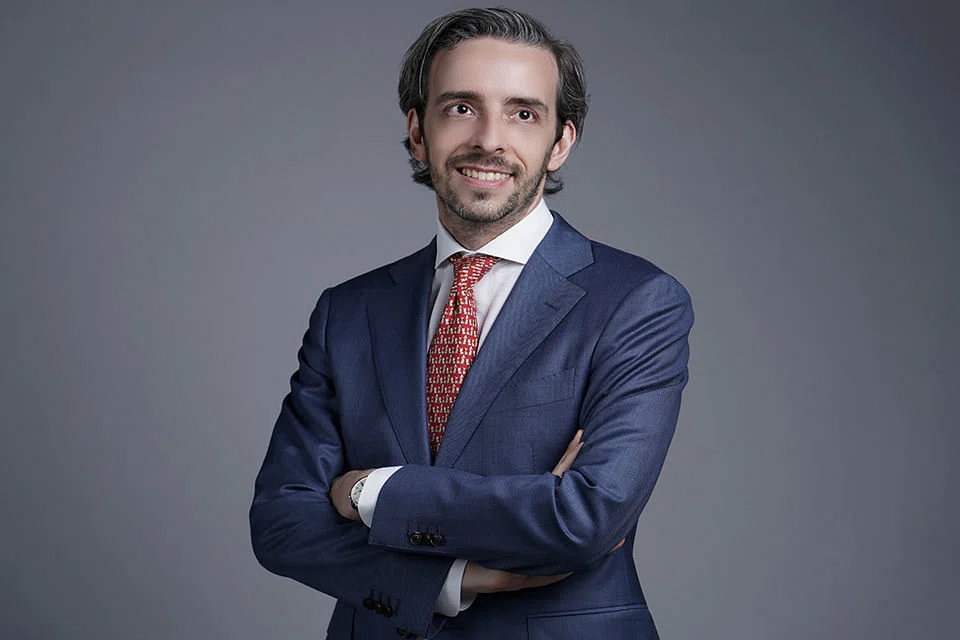
One among the advocates here is John Ng Pangilinan. In 2017, Mr Ng Pangilinan founded Signum Capital, a venture firm that backs blockchain-enabled projects. The firm has since supported some 70 projects, with funds raised from family offices and high net worth individuals. Each investment ranges between US$100,000 to US$2 million.
Signum Capital most recently pumped US$2 million into imToken, a Singapore- and China-based company that touts a secure, decentralised digital asset wallet. imToken completed its Series B funding round with US$30 million raised in total.
Signum Capital, meanwhile, is at the "halfway mark" of raising its first blockchain-focused fund, and expects to hit its final close at US$100 million in July.
Mr Ng Pangilinan's family made its fortune from traditional brick-and-mortar - quite literally. He is the grandson of late property tycoon Ng Teng Fong, who built an empire that includes Far East Organization in Singapore and Sino Group in Hong Kong. Mr Ng Pangilinan himself has founded some 10 ventures, including Makan Bus, a service for tourists to explore off-the-beaten-track eateries in Singapore.
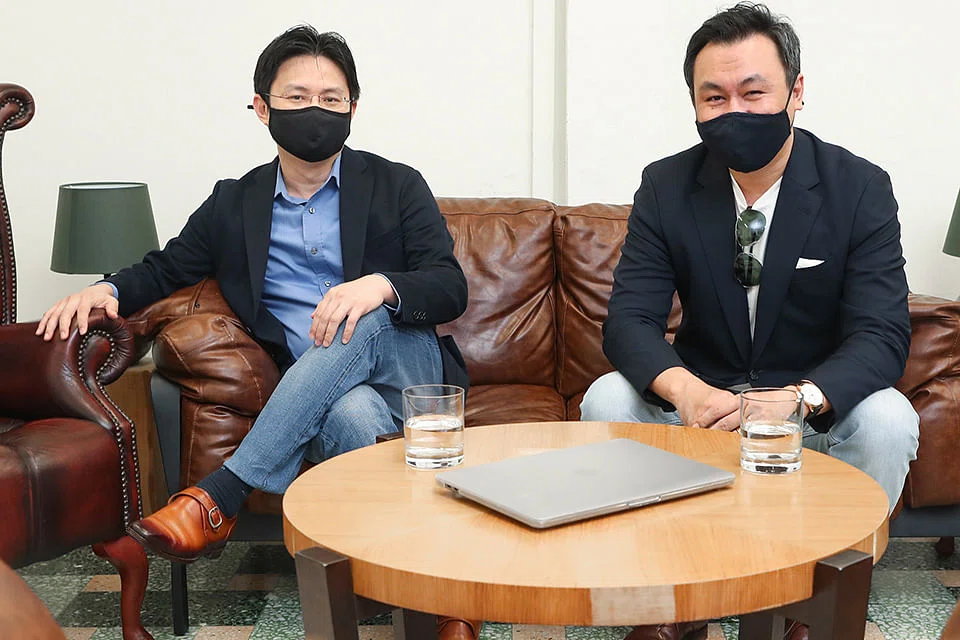
Speaking to The Business Times at his firm's office at North Canal Road, the 41-year-old said his fellow managing director and then-neighbour Lai Yoke Yong had piqued his interest in blockchain technology. "I didn't get a chance to invest in the dot-com boom, and I thought that this is almost the same opportunity," he said, likening it to investing in Microsoft at seed round.
Mr Lai, 47, has been in the start-ups space for the last decade and was last running PayPal's incubation lab programme. He came on board Signum Capital full time in 2020.
Among other projects Signum Capital has backed are Thailand-based remittance protocol Velo Labs, derivatives trading platform Sparrow Exchange and crypto exchange Kyber Network.
"We have seen how blockchain technology firms give people more access to financial products they would otherwise not have a chance to invest in, and for them to be able to capture growth in their money through different digital assets. 'Financial inclusion' is a very big word to use, but I think it gives more people the ability to grow their wealth," said Mr Ng Pangilinan.
The rising interest comes as some evangelise using blockchain technology to drive financial access because it lowers costs, removes the need for financial intermediaries, and that boosts efficiency and transparency.
Signum-backed Velo Labs, for example, is seeking to smoothen the remittance process across South-east Asia using digital credits that are pegged to any currency and collateralised by a cryptocurrency.
Investors in the region are increasingly seeking exposure to crypto and blockchain, Mr Ng Pangilinan noted, but his team remained coy about how much they have invested in all. "Can we just say above S$10 million," Mr Ng Pangilinan said with a laugh.
He noted that the portfolios have performed "exceptionally well", without citing figures, adding that investors want exposure to crypto but turn to their funds for the expertise. Coinbase's blockbuster direct listing also shows global appetite and opens doors for more successful companies to do the same, according to him.
The largest crypto exchange in the US went public on April 14, and briefly achieved a market value of US$100 billion at its Nasdaq debut, which some have hailed as a "watershed" moment for crypto.
Now that Coinbase has to abide by the reporting and disclosure standards required of public companies, traditional institutions and investors will also have a clearer view of how the company, and the crypto industry in general, is doing, added Rae Deng, a director at Signum Capital.
Dutchman Wouter Kneepkens, who is based in Singapore, is one investor who had bought into Coinbase in its seed round back in 2012.
The 37-year-old would not say how much he invested in Coinbase, but said the value has surged 2,513 times nine years on. He remains an investor in the now-listed firm.
Mr Kneepkens said what drew his attention was Coinbase's "ludicrous" pitch. A relatively unknown platform at that time, Coinbase had said it wanted to be the leading Bitcoin exchange in the world, and that it would do so in a compliant manner.
"I thought its original pitch was pretty, well, crazy, or at least too bullish and aggressive," he said.
Tokyo-based Bitcoin exchange Mt. Gox was more established and likely had a significant majority of the market share at that time. And doing things "compliantly" was unheard of in this space - then occupied largely by "anarchist and anti-establishment figures", Mr Kneepkens noted.
Yet, Mt. Gox collapsed into bankruptcy in 2014, with US$460 million in Bitcoin reportedly stolen by hackers, and another US$27.4 million missing from its bank accounts.
"It seemed rather unlikely that (Coinbase) would succeed. But the reason I invested was because I saw that if it would succeed, that it would potentially be rather large," he said.
As an angel investor, Mr Kneepkens said he looks out for "outsized returns potential".
"Every investment needs to have 50-100x potential. I have also constructed a portfolio with a good number of (rather diversified) bets. Each investment in the portfolio should be able to return my full portfolio, which luckily a number of them have."
While he does not consider himself a crypto advocate, he sees it worthwhile to have some exposure. "There are quite a lot of people taking quite a bit of risk now. But not playing is almost as risky, you are almost forced to play the game," he said.
Mr Kneepkens is also a founder of Blauwpark Partners, a family office in Singapore that looks at alternative investments, such as private equity and hedge funds. The family office has allocated a "tiny percentage" to crypto, which Mr Kneepkens said has "paid off very well for us over the past four years".
It recently secured access to a pre-initial public offering deal into "one of the world's largest Bitcoin miners". Mr Kneepkens said the firm has global operations and intends to list in the US, but declined to give more details. He added that the family office has a "very small part" of the round, and that it's a "small allocation" of the broader portfolio.
GIC was also among investors who raised US$300 million for Coinbase in 2018. It also led a recent Series C US$80 million funding round for US-based digital-assets bank Anchorage.
Digital assets refer to new forms of securities or tokens conferring certain ownerships rights that are recorded and validated on a blockchain.
READ MORE: Bitcoin recoups some losses after tumble triggered by Elon Musk's comments