

HSBC Singapore spared bank's global layoffs this year
Singapore
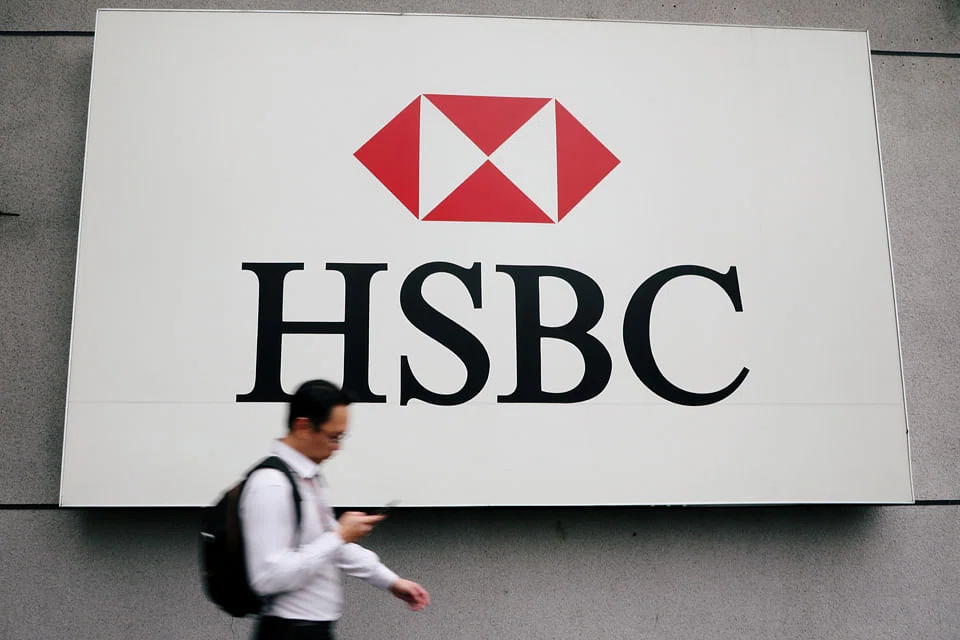
HSBC Singapore will not be affected this year by the bank's global redundancy plan that would impact 35,000 staff in the medium term, The Business Times understands, with minimal cuts in headcount expected here over the next few years.
A spokesperson from HSBC Singapore said that the Republic remains a growth market for the bank and that its earlier plans to add more than 400 retail and private banking front-end staff by 2023 remain on track.
It has about 3,500 staff altogether here.
"Since 2018, HSBC Singapore has grown its headcount by 10 per cent and has invested in our premises, digital capability and propositions in order to grow our customer base and market share," said the spokesperson. "These investments and growth ambitions will continue."
Singapore's fate is a stark contrast to the rest of HSBC's markets outside Asia, which face more gloomy prospects.
The plan to axe 35,000 jobs globally was first unveiled in February, where HSBC also announced the merger of its private banking and wealth business and the overhaul of its US and European businesses.
HSBC confirmed on Wednesday that it is resuming its restructuring exercise to cut costs after putting it on hold for the past few months due to the pandemic.
"We could not pause the job losses indefinitely - it was always a question of 'not if, but when'," wrote chief executive Noel Quinn, in a memo sent to the bank's 235,000 staff globally.
He also wrote that the bank will maintain a freeze on almost all external recruitment.
HSBC had said in April that it will postpone the layoffs as it did not want to leave staff in the lurch during the Covid-19 pandemic. But with the outbreak still ongoing, it seems that the bank could not wait any longer.
In its latest quarter, the bank saw its first-quarter profit plunge by almost half to US$3.2 billion as it was hit by bad loan provisions on the back of the pandemic as well as "a significant charge related to a corporate exposure in Singapore".
HSBC did not name the company, but it is believed to be beleaguered Singapore oil trader Hin Leong.
Among the lenders, HSBC reportedly had the most exposure to Hin Leong, at US$600 million.
The bank's oil and gas woes do not end there - HSBC is a major creditor of another troubled oil trader ZenRock Commodities, with some US$50 million owing to it. BT reported on Thursday that ZenRock will be going down the judicial management path.
However, the HSBC Singapore spokesperson noted that the bank is seeing "results" in Singapore as past investments start to bear fruit.
In particular, wealth assets under management for the core consumer banking business in Singapore has recorded its fastest growth in the past eight years and private banking net new money has tripled in the past two years. The two businesses recorded a 36 per cent year on year increase in profits before tax in 2019.
"We will continue to invest further with emphasis on HSBC Singapore being a global wealth hub and as a hub for Asean," said the spokesperson.
In August last year, HSBC chairman Mark Tucker told the media during its half-year results that Singapore is a market that the bank wanted to gain scale in.
"Singapore is one of the eight strategic countries that we are investing in, we are putting focus and support to and remains key to our overall Asian and South-east Asian ambition. So Singapore is very much part of the future, part of the growth of the group," he had said.
The bank makes most of its profits in Asia, but is grappling to keep pace with peers as Covid-19, the US-China trade war, low interest rates, and uncertainty in Hong Kong - HSBC's single biggest market - cast a pall on its outlook.
TRENDING NOW
Far East Organization’s The Serra Residences sells less than a quarter of units released at average S$3,460 psf
Singapore to use ‘every legal and regulatory lever’ against companies linked to haze: Shanmugam

Could stablecoins be the future of money?
The middle power moment arrives in South-east Asia – but not for Asean

