Finding love for reflation in both banks and tech
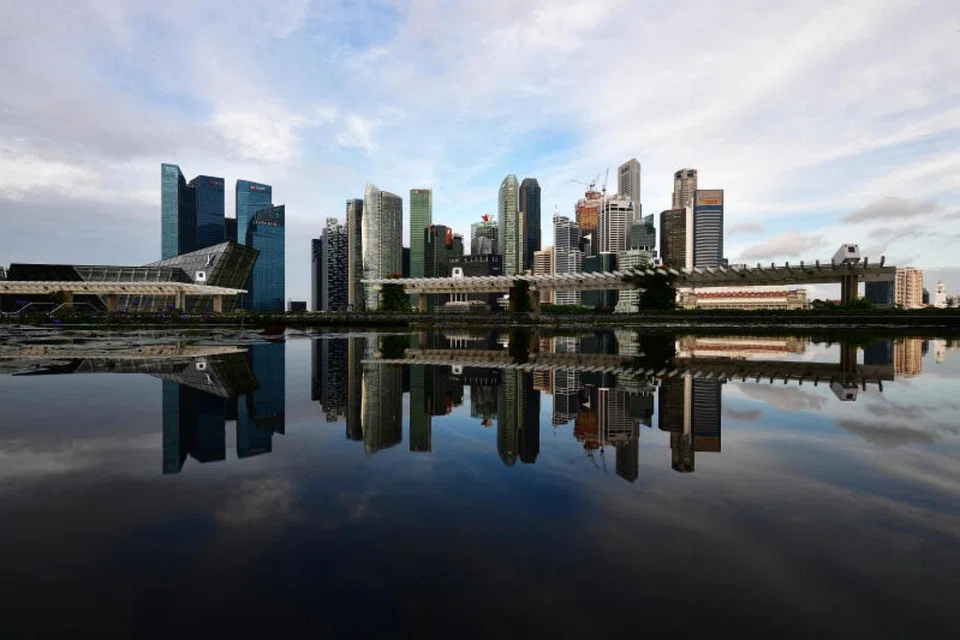
Singapore
THE recent tech sell-off sparks a big question as posed by Citi Private Bank in a recent report: does technology really have an inflation problem?
Citi thinks not, and there are indeed reasons to suggest that investors can love reflation beneficiaries such as banks, and tech too.
Why have the fears of rates rising prompted investors in technology - the sector that ruled the decade-long bull run - to run for cover?
The stock market attracts heavy flows in a low-rate environment, which has been the case for more than 10 years now. One way to understand rates is to think of it as the cost of money. When rates are low, investors redouble efforts to hunt for returns with the cheap money at their disposal.
When rates are due to tighten, it spooks investors in part because this environment is not one that they have been attuned to for some time. They fear as well that policymakers risk being slow to raise rates, and cause runaway inflation. That uncertainty fuels market anxiety.
In addition, many companies - including tech firms - have used this time of cheap debt to add leverage.
Global debt is estimated to have hit a record US$201 trillion at end-2020, said S&P Global in a March report. For perspective, that's equivalent to 267 per cent of GDP.
The scale of that debt has caused jitters now. What worries investors is the uneven timing of economic recovery, coming in as interest rates start to normalise. If earnings do not return to pre-pandemic trends before governments begin withdrawing their stimulus, that situation can ignite default risks for corporates.
"Investors' reset of risk-return expectations could see financial and real asset repricing, debt servicing costs rise, and funding accessibility dry up," the report added. "A rapid and volatile reset path is a worry."
Given this, the tech sell-off comes as investors look to take some money off the table. Tech investments have largely driven flows over the years.
There are concerns specifically that several loss-making tech firms have been riding on the overall market boom, without profits to show, while loading on debt and private money.
With such reckoning - overdue, some might say - some companies are simply not worth their sky-high valuations, and investors are drawing parallels to the bursting of the 2000 tech bubble.
But Citi Private Bank points out quite plainly: this time it's different.
For one thing, at that time that the tech bubble burst, economies were heading into a recession, not emerging from one, like today. The collapse in tech spending led to the market implosion in 2000, and in particular from "unviable" telecom investment.
"Much of the meteoric rise of tech shares in 2020 reflected the benefits accruing to companies able to substitute for those most impacted by the pandemic - think food delivery and restaurants, streaming and cinemas," the report said.
"We expect that a good portion of adaptations we've made to digital life will become the new normal - think Zoom versus phone calls, and business travel. Are we really going back to the office five days a week?"
So yes, a tech correction is underway, in part as the idea of tech has become an "increasingly broad and non-descript way" to characterise a large swath of the equity markets in recent years, said Citi.
That means investors may want to avoid speculative shares in unprofitable "experimental" firms in industries, such as electric vehicles, where it is improbable that they can compete for the long term, it said. But "unstoppable trends", such healthtech and fintech, are long-term winners.
In this time of market correction then, the point is that it's time for tech investors to be more discerning.
Reflation, rejoice
At the same time, banks are clear beneficiaries of the reflation trade. As rates rise, banks reprice loans faster than they reprice on deposits, growing their net interest income.
And while a large part of global debt is funded by banks, most major banks should be able to absorb credit losses, as they have set aside ample provisions for soured loans.
In Singapore, banks have also reduced their estimates for credit provisions ahead, signalling hopes that bad loans are not as serious as previously thought.
In the post-global financial crisis period, banks have also been made to set aside more capital against their assets. On this front, this makes them safer than more than a decade ago.
And as economies recover, Asian lenders particularly can gain from tapping growth from this region.
Still, there are risks to watch out for. For one thing, banks - including Singapore lenders - remain vulnerable to threats of more movement restrictions in response to the rise of Covid-19 cases.
"This could raise asset quality concerns in the event government moratoriums are introduced, or a subsequent toning-down of the banks' current positive operating outlook," said CGS-CIMB in a broker note.
Singapore banks, and several other Asia-focused banks, are also reviewing the consumer-banking assets that Citi is offloading in Asia.
A Sanford C Bernstein & Co report this month said that Singapore lenders, in pursuing bolt-on acquisitions within their footprint, need to watch that they do not overpay.
Specifically, it noted that if DBS steps up to buy Citi's India assets, it will need discipline to set clear hurdles to succeed where Citi has not. India is a large, but competitive market.
Both investment cases point to a lesson that is being taught in this market shakeout: There's still money to be made, but shaky fundamentals are coming undone. Investors should take a closer look under the hood - and study a decade-long lesson in the making.
- The Money Playbook is a personal finance column that discusses how to take charge of your financial well-being.