Inflation tantrum no easy win for consumer stocks
Consumer brands gain from price hike only if it can be passed to consumers
Singapore
THE world has become used to low inflation, but now, fears of inflation overshooting central banks' expectations are giving some investors pause.
And on the surface of it, some punters might be eager to latch onto consumer stocks as a theme behind inflation play. Here's the sales pitch: Prices go up, customers dutifully pay, profits go up. We're all winners.
But that is not the full story.
Investors keen to play the "inflation tantrum" can leaf through their Economics 101 textbook.
A lesson here is pricing power. Inflation happens as prices of various raw materials rise, and those input costs feed into the final price of a consumer product.
Crude palm oil, for instance, hit an all-time high in recent times, reflecting tightness in production caused by bad weather and labour shortage. The crimped supply of other types of vegetable oil, such as soyabean oil, has also driven up demand for palm oil - commonly used for food processing and in household products.
But it doesn't mean that every frozen pizza, or tube of toothpaste, is going to skyrocket in prices tomorrow.
That's especially so if the product is a commoditised one, meaning that simple brand substitutes can be found. If a manufacturer chooses to feed all of that higher input cost into the final sticker price, consumers could just easily find a cheaper replacement product.
Knowing this, brands may stomach the higher cost of raw materials, and try to make up for margins lost in other ways. They may try to save on packaging - which is also, by the way, rising in cost. (The Mintec Global Packaging Index - an indicator for prices of packaging material - rose in March for the 10th straight month.)
Sometimes, brands sneak in higher costs with a tactic known as "shrinkflation" - they reduce portion sizes, but keep prices about the same.
But what's a clearer bet is that brand manufacturers that are dominant can command pricing because they hold a significant market share, or benefit from strong brand loyalty.
Now, inflation eventually shows up. Some input prices will get passed on to consumers, on the assumption that most of their incomes rise alongside an economic recovery and so they'll be able to afford it.
But the point is that there is a lag in the input costs that will be passed on from manufacturer to consumer. Investors must be mindful of this lag - businesses selling commoditised items can be crushed by higher costs, and spiral into irrelevance.
The big winners are those that can reduce this lag or, if dominant enough, impose price hikes before costs are actually accounted for in the final production. A UBS analysis - as reported by Barron's in late April - said that when consumer inflation runs above a 3 per cent annualised rate for six months, companies with strong pricing power historically see their stocks outperform by 12 percentage points in the following year.
OCBC Investment Research noted recently too that businesses with higher pricing power should be better placed to exploit a surge in demand and any pressures of inflation ahead.
Among consumer staples, it cited British American Tobacco, pointing out that over the past decade net cigarette prices have risen by about 6 per cent on average, globally. And when tax rises are imposed, the companies in its stable have almost always been able to pass these on to consumers.
"This is an oligopolistic industry, where each player knows the only way to grow profits is through price rises. Companies rarely engage in destructive price competition because tax usually accounts for 70-80 per cent of the retail price of cigarettes, and consumers are generally loyal to individual brands."
China's WH Group - better known as the largest pork company in the world - was highlighted by OCBC too. Rising hog prices are passed onto consumers with per unit profitability staying stable. Packaged meats make up most of the group's earnings.
Gross margins have ranged between 18.4 per cent and 20.6 per cent from 2014 to 2019. This did fall to 17.6 per cent in 2020 due to costs from Covid-19 - here's that lag in price increase. But margins should return to normal levels, said OCBC, because even when hog prices in China jumped due to a shortage squeeze, profits remained solid.
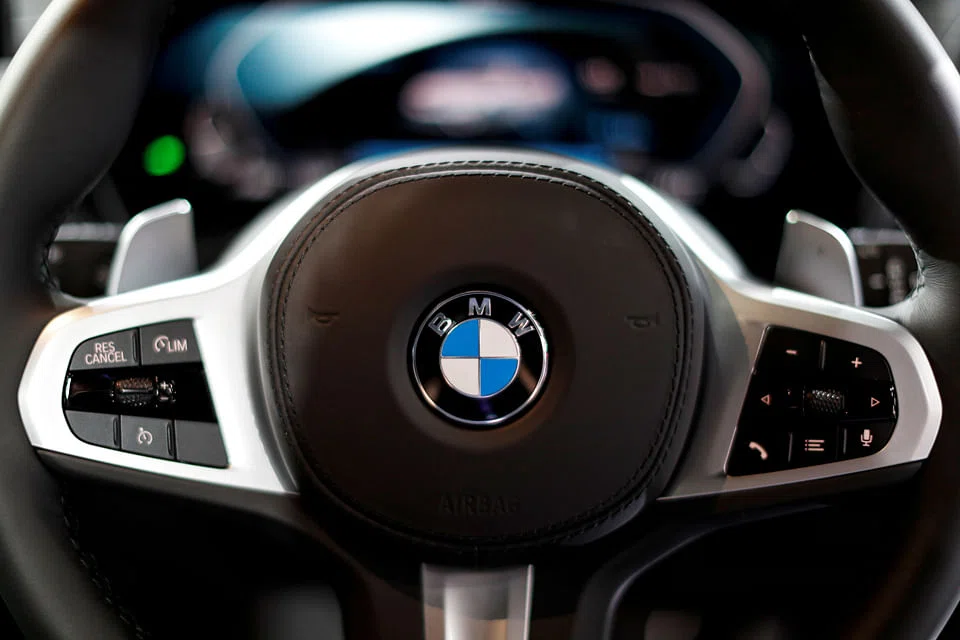
On the consumer discretionary front, OCBC pointed to carmaker BMW for "superior pricing" that generates revenue bumps above global vehicle growth rates. The group's sustainable competitive advantages lie in its brand loyalty and technological leadership in powertrains, OCBC said.
The biggest lesson for new investors on inflationary pressures? They should set aside some money from their salary to make investments that minimally beat inflation. Investors can then make sure that at the very least, what is earned today is able to afford what will eventually be priced higher in the future.
- The Money Playbook is a personal finance column that discusses how to take charge of your financial well-being.