Most Integrated Shield insurers improve underwriting results in 2019
But premium hikes are widely expected following MediShield Life review; this come after some insurers already raised IP premiums last year

Singapore
THE majority of insurers offering private Integrated Shield plans (IP) improved their underwriting performance in 2019, in a clear sign that a slew of measures taken over the past couple of years to dampen claims costs is working.
Insurers, however, aren't out of the woods. Of seven IP providers, only two - Prudential and Income - are in the black in 2019. Two others reduced their losses, but three insurers saw deeper underwriting losses.
Policyholders should brace themselves for likely premium hikes over the next few months.
A number of insurers raised IP premiums last year. This year Income adjusted premiums for its private hospital plan riders.
Prudential lowered the premiums of its public hospital IP - PRUshield Plus plan - by between 10 and 31 per cent in April. But for its private hospital IP PRUshield Premier and rider (PRUExtra Premier), it raised premiums by less than 10 per cent.
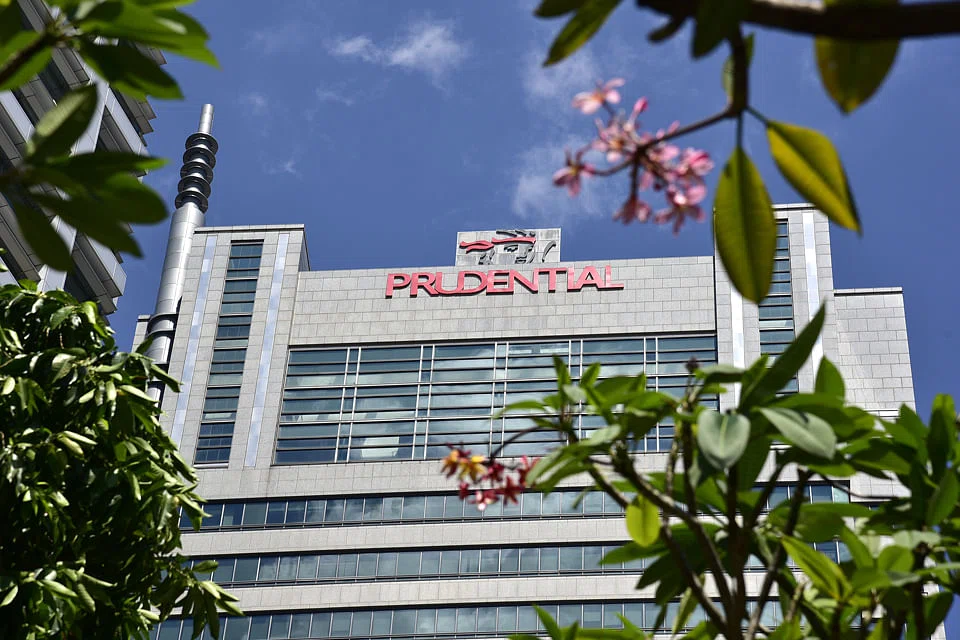
In 2019, Prudential showed the most dramatic results, marking the second year of profit. Underwriting profits for its IP business rose 21 per cent to S$51.99 million, from S$42.73 million in 2018. It is the only one among the insurers with a system of "claims based pricing" which rewards healthy policyholders with 20 per cent lower premiums.
Income also appears to have turned around, showing an underwriting profit of S$4.2 million, compared to a loss of S$4.29 million in 2018.
Great Eastern, however, more than doubled its underwriting loss to S$57.88 million. The data, extracted from insurers' 2019 financial results filed with the Monetary Authority of Singapore, will be closely watched following the launch of a public consultation document on enhancements to the MediShield Life scheme just last week.
Measures taken by insurers over the past year included a redesign of private hospital riders to raise policyholders' share of co-payment and a system of pre-authorisation prior to treatment.
The MediShield Life Council has recommended a number of enhancements to the compulsory scheme but premiums are set to rise. The proposed premium hikes will be cushioned by a S$2.2 billion support package by the government over three years.
One of the major recommendations is a reduction in the proration factor applied to private hospital claims from 35 to 25 per cent "to better reflect the actual charges and ensure greater parity in payouts between subsidised and private patients". This is widely expected to spark yet another round of premium adjustments among IP insurers.
Great Eastern said in reply to queries that it has not raised premiums of IP plans since March and has held off any price increases in 2020 "due to the Covid situation in deference to challenges faced by many Singaporeans".
Other insurers said they are studying the council's proposals.
An insurer which declined to be named said that based on the firm's experience over the past three to four years, claim cost inflation is generally driven by increases in the claim rate or the proportion of policyholders making claims, rather than the cost per claim. Private hospital claims also account for a rising share of claims.
The Life Insurance Association warned last week following the launch of the council's consultation document that the proposed changes may lead to further escalation of claims costs for IPs and consequently, IP premiums. "IPs continue to experience significant claim cost increases which are putting upward pressure on IP premiums. Most IP insurers continue to make a net loss since the launch of MediShield Life in November 2015."
PwC Singapore insurance leader Woo Shea Leen said: "Ultimately I think having the insurers work hand in hand with the healthcare providers is the way forward with the objective of reducing overconsumption while ensuring policyholders get the appropriate treatment at reasonable cost levels. At the same time this can hopefully lessen the stress on our healthcare system which would also need to cater to our ageing population."
MediShield Life is run by the Central Provident Fund and forms the base policy for all Singaporeans. It is designed as a catastrophic cover for large bills in Class B2 or C wards of public hospitals. Unlike insurance sold commercially, it does not exclude pre-existing conditions.
IPs sit on top of MediShield Life and kick in once the base scheme limits are hit. Poor claims experience among IPs may be blamed on a number of factors, such as an ageing population and improvements in healthcare.
But overconsumption of healthcare services and "overcharging and inappropriate treatment" by healthcare providers are also to blame, based on a seminal study by the Health Insurance Task Force Managing the Cost of Health Insurance in Singapore, published in 2016.
READ MORE: Parsing the challenges for Shield insurers: higher premiums not a panacea