NEX mall owner bags S$900m green loan from DBS, OCBC and UOB

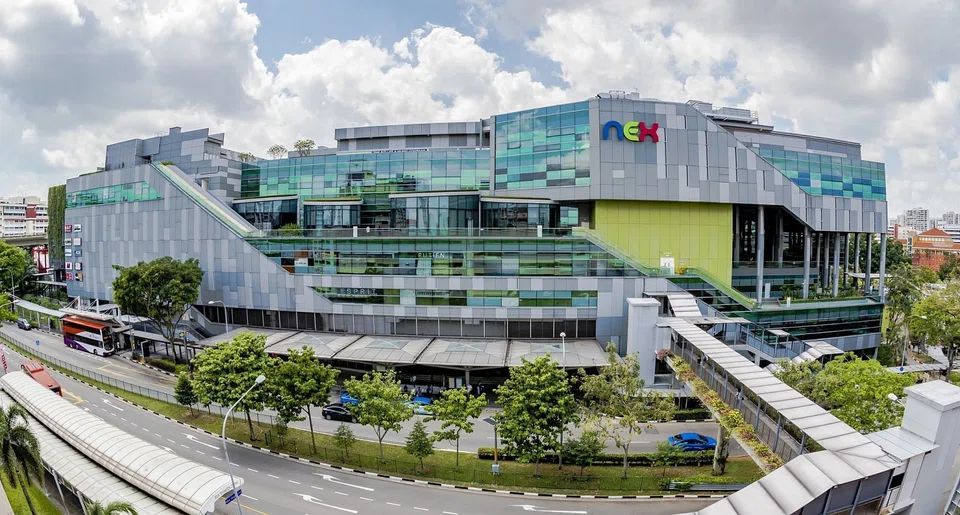
GOLD Ridge, the owner and developer of NEX, has bagged its maiden green loan totalling S$900 million from DBS, OCBC and UOB to refinance the shopping mall.
The deal marks Gold Ridge's first foray into sustainable finance and comes as NEX improves its Building and Construction Authority (BCA) certification for sustainable properties.
NEX, which is located in Serangoon, recently attained the BCA Green Mark Gold Plus certification after enhancing its recycling programme to include e-waste and optimising its chiller plant room.
The mall also implemented a green procurement policy and installed a water management system to monitor its water consumption, among other initiatives. Previously, NEX had a BCA Green Mark Gold certification.
NEX asset manager PGIM Real Estate and Gold Ridge's shareholders have established a green loan framework with the three local banks as joint green loan advisers.
The framework was prepared in line with international principles and guidelines, PGIM Real Estate and the banks said in a joint statement on Tuesday. DBS, OCBC and UOB are also the joint mandated lead arrangers for the transaction.
Gold Ridge's ultimate investors are Mercatus Co-operative Limited - NTUC Enterprise's real estate subsidiary, and institutional investors in China and the US. Mercatus' portfolio consists of heartland malls such as Jurong Point, AMK Hub and Swing By @ Thomson Plaza, as well as Grade A office building One Marina Boulevard.
READ MORE: Robinsons did not survive, but heartland malls just might
Decoding Asia newsletter: your guide to navigating Asia in a new global order. Sign up here to get Decoding Asia newsletter. Delivered to your inbox. Free.
Copyright SPH Media. All rights reserved.