

OCBC, DBS to hire over 5,000 this year, with emphasis on tech roles

Singapore
WITH their respective pledges to create new jobs amid economic uncertainty, Singapore's two largest banks have committed to 5,000 new hires this year, with an emphasis on tech-related roles, as the Covid-19 crisis continues to expedite digitalisation in the sector.
This comes at a time when global tech heavyweights - the likes of Airbnb, TripAdvisor and Uber - have been shedding their workforce as the virus outbreak dries up business.
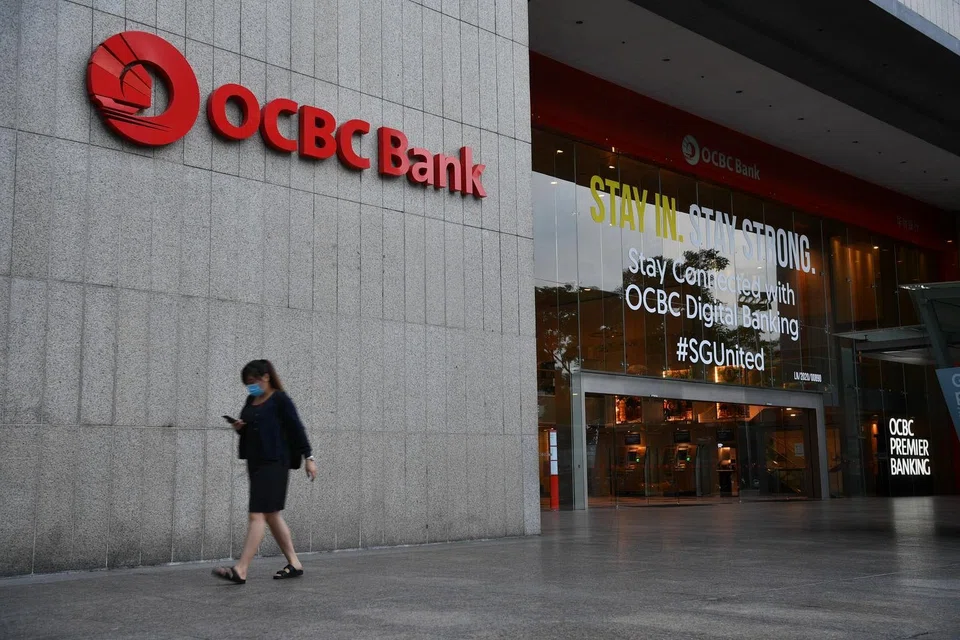
OCBC said on Monday that it plans to hire over 3,000 people in Singapore this year, and is on the lookout for tech personnel to facilitate its roll-out of digital solutions for customers and employees, which have seen a significant increase in uptake driven by the pandemic.
About seven in 10 of these new jobs are full-time roles across various entities of the banking group, in areas such as wealth management, corporate banking, risk management, data analytics, operations and technology. These 2,100 positions will make up about 19 per cent of the group's current workforce of some 11,000 employees in Singapore.
The remaining new roles at OCBC include 500 traineeships offered to university and polytechnic graduates in areas such as corporate banking, data and technology, under the nationwide SGUnited Traineeships Programme introduced in March. Another 400 internships will be offered to varsity and polytechnic students.
The bank was unable to share specific numbers devoted to tech positions, but said it will continue to offer traineeships through the Technology in Finance Immersion Programme (TFIP) administered by the Institute of Banking and Finance, to help mid-career individuals looking for new tech roles in the financial services sector.
Some OCBC leaders have taken to LinkedIn to publicise job openings. Andrea Pisoni, head of data science at OCBC's AI Lab wrote last month: "We are still looking to expand the data science team, even more so during these challenging period."
Data scientist Daniel Tan is one of the new hires at the AI Lab. The 32-year-old started a new role in April at a travel bookings startup but was let go on his second day, and had taken to LinkedIn to share his plight.
His post was picked up by Mr Pisoni, who reached out and encouraged him to apply for OCBC's data science roles.
Singapore's largest lender DBS had said in May the the bank will create over 360 permanent positions for seasoned professionals in growth technology areas.
More than 300 of these new jobs are in the areas of UX/UI, data science, fraud detection, compliance, and consumer and institutional banking technology. It is also looking to train and hire some 60 people in artificial intelligence, cloud computing, full stack development and data analytics via specialised talent development programmes such as the TFIP.
In total, DBS, which currently has a 12,000-strong workforce in Singapore, has committed to hiring more than 2,000 in the country this year. This includes over 1,000 new positions for fresh graduate trainees and more specialised roles for seasoned professionals.
UOB was unable to share its hiring estimates for the year by press time. It said, however, that it has taken on the "highest number of trainees" within the industry for the current TFIP intake.
Recruitment expert Jaya Dass said that prior to the Covid-19 outbreak, tech candidates were drawn to start-ups whose operations were perceived as more agile and their visions more creative. "But with the current economic situation, the candidates' focus may have shifted from job content to financial security," said Ms Dass, who is managing director at Randstad Singapore & Malaysia.
"This is a good time to go out to the market and boost digital talent."
The three banks had earlier also pledged no retrenchments as a result of the novel coronavirus outbreak.
READ MORE: Q1 total employment dives a record 25,600, Q2 likely to be worse
TRENDING NOW

Once staunchly pro-China, Malaysian Chinese businesses are now distancing themselves from Beijing

Looking beyond looming CEO succession, should UOB potentially pursue a transformative merger?

Could stablecoins be the future of money?

Grab CEO’s wife Chloe Tong on life with Anthony Tan and finding her purpose

