Rupee sinks to record low as India markets sell off on oil surge
 Add BT as a preferred source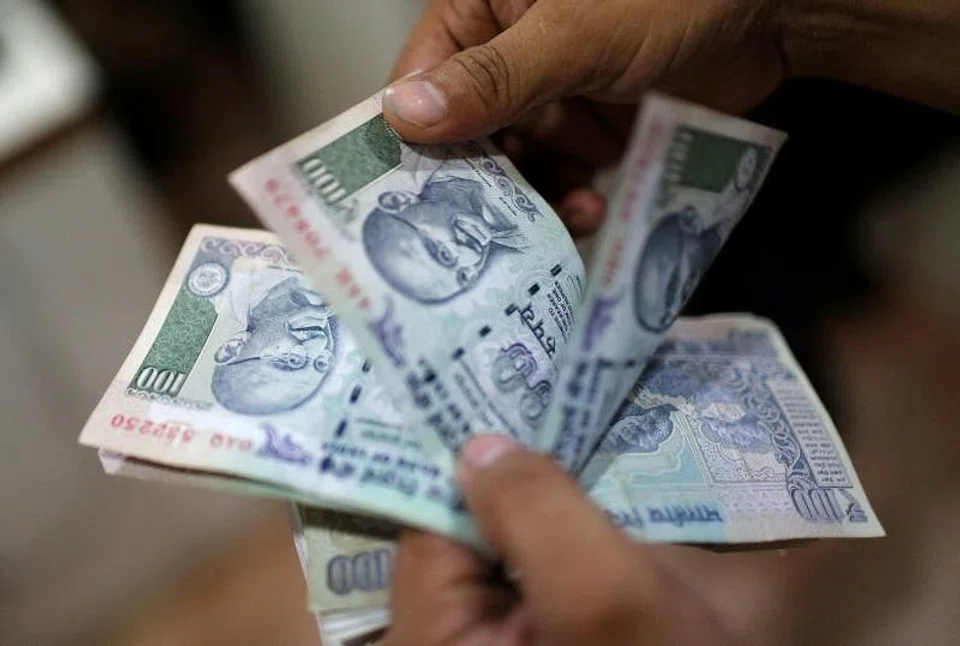
DeeperDive is a beta AI feature. Refer to full articles for the facts.
[NEW DELHI] The Indian rupee tumbled to a record low, while stocks and bonds also slumped as a relentless surge in oil prices darkened the nation's economic outlook.
India relies on overseas purchases to meet about three-quarters of its oil requirement, making it one of the most vulnerable in Asia to higher crude prices. Oil prices, already up more than 60 per cent this year, may worsen price pressures, hurt the nation's finances and upend a nascent economic recovery.
Srinivas Rao Ravuri, chief investment officer at PGIM India Asset Management, said: "For decades now, crude has remained the No.1 risk for India, given its high dependence on the imported fuel. The escalating geopolitical tensions, crude and the imminent Fed hike have impacted investor sentiment toward emerging markets, especially India, which until recently was trading at premium valuations to its peers."
The rupee declined as much as 1.1 per cent to 76.9812 per dollar on Monday. Benchmark government bond yields rose seven basis points to 6.89 per cent, while the S&P BSE SENSEX Index fell 2.7 per cent to 52,842.75 points, the lowest closing since July.
Today's move has turned the rupee into Asia's worst performer this year. State-run banks sold dollars, probably on behalf of the central bank, to curb rupee's losses, said Mumbai-based traders who declined to be named.
Barclays analysts, including Ashish Agrawal, wrote in a note: "Geopolitical risks will likely stay elevated, especially on the terms of trade shock and current-account deficit implications. The Indian rupee is more sensitive to supply side oil shocks." He added that the Reserve Bank of India "is likely to continue selling USD passively, but is unlikely to defend any particular level."
Navigate Asia in
a new global order
Get the insights delivered to your inbox.
Foreign funds have taken out about US$16 billion from India's equity markets since September. The initial share sale of Life Insurance Corp, widely referred to as India's Aramco moment, is also increasingly likely to be deferred given the volatile geopolitical conditions.
Traders were expecting US$5 billion-US$6 billion of inflows from the share sale, which would have provided some support to the currency.
The average yield on top-rated 10-year company notes rose up as much as 7 basis points on Monday, said traders. It is the most since Feb 10, according to data compiled by Bloomberg.
"People may want to bury their heads in the sand and wish for it to go away, but in times like these, if markets manage to even offer no returns, it will be a great outcome," said Abhay Agarwal, fund manager at Mumbai-based Piper Serica Advisors.
BLOOMBERG
Decoding Asia newsletter: your guide to navigating Asia in a new global order. Sign up here to get Decoding Asia newsletter. Delivered to your inbox. Free.
Copyright SPH Media. All rights reserved.