Seniors taking to online banking; challenge is to keep them hooked post-pandemic
OCBC recorded 20% year-on-year growth of digital users aged 60 to 80, compared to 7% increase for other age segments, for month of March

Singapore
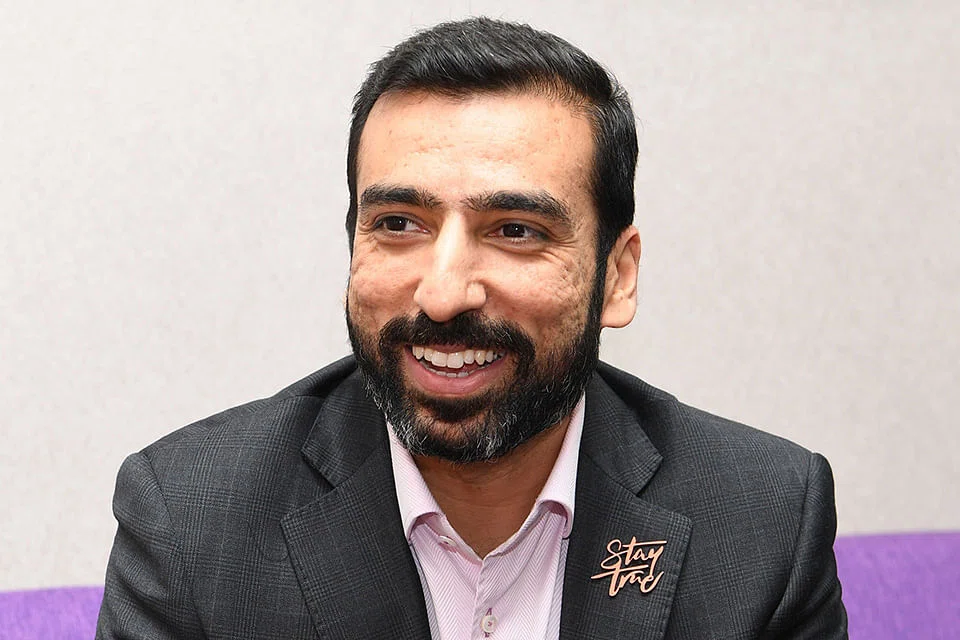
MORE seniors have turned to online banking amid tighter curbs to stamp out Covid-19 in Singapore, but the challenge is in maintaining this shift for the long run, said head of digital and innovation at OCBC Pranav Seth.
He said financial institutions must go all out to make this a sustainable change, even as his bank saw individuals in their later years become the fastest-growing digital adopters over the month of March.
OCBC recorded a 20 per cent year-on-year growth of digital users aged 60 to 80, compared to a 7 per cent increase for other age segments.
"A lot of this has largely been driven by tailwinds. From my experience, some people might be on the edge, others might just feel forced to adapt to digital over the short term," said Mr Seth in an interview with The Business Times. "But what we want is to make this a fundamental shift."
Past studies have shown that while many senior citizens here are active users of smartphone communication apps, the usage of digital payments on their phones is low. The reasons came down to a lack of comfort around new payment technologies and fears about fraud.
In the time since Singapore entered its "circuit breaker" period, OCBC has rolled out new initiatives to encourage seniors to bank online. These include a Chinese-language version of its mobile app, tele-advisory for wealth management, as well as enabling placement of fixed deposits online.
The bank has also launched an internal campaign to encourage staff on the ground to help seniors adapt to its digital services. "There's a huge push for our staff to be our spokespersons, from the moment customers are walking in and their temperature being taken, to advise them on services that can be conducted online. This posture is again reiterated by the personal financial managers," Mr Seth said.
He noted that OCBC has chosen to do away with incentives and rewards - the most typical and tangible draw for consumers.
"You usually have to get people to use it four to six times before they can start understanding, appreciating, and sticking with it," he said.
Citing his annual visits to his 75-year-old mother in India as an example, Mr Seth added: "Every year, I will try to help her activate one new digital service or device. But when I leave, she goes back to her cash. It's a habitual thing."
Over the first quarter of this year, OCBC also saw the amount transacted over peer-to-peer funds transfer service PayNow grow three times, year-on-year. The number of transactions more than doubled over the same period. This means that the average amount transacted has also gone up.
While PayNow is increasingly moving Singaporeans towards cashless payments, Mr Seth does not expect the country to go the cardless way of China - at least not in the near future.
Credit cards and systems like Nets (or the Network for Electronic Transfers) are "entrenched payment mechanisms" with extensive rates of adoption in Singapore, he said, adding that many are drawn to the rewards and incentives card companies offer.
"PayNow's primary competitor is cash," he said.
READ MORE: Digital investments up as banks explore virtual wealth conversations