Singapore Savings Bonds applications up 65% amid uncertainty, higher yields

Kelly Ng
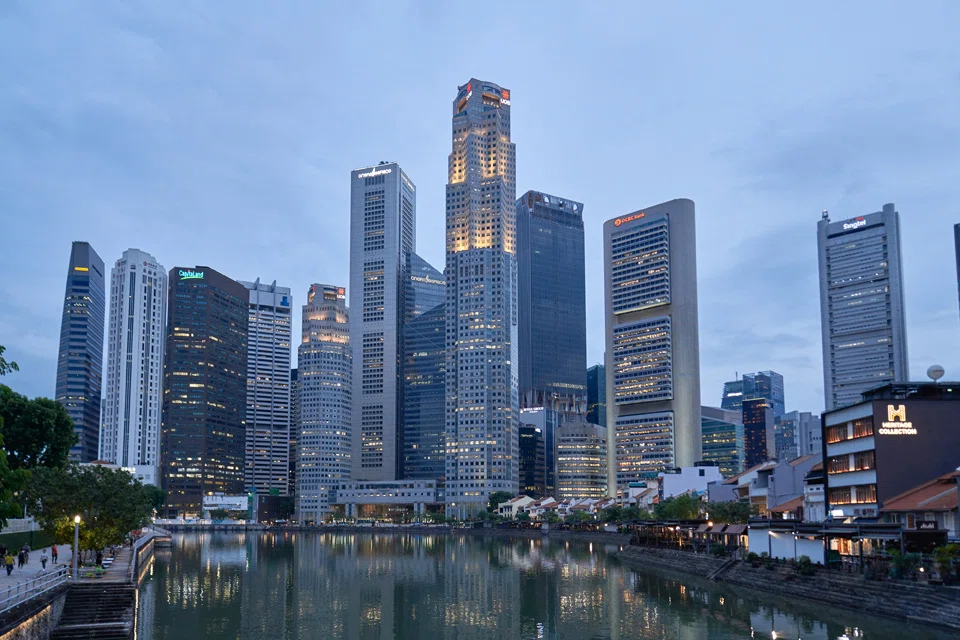
DEMAND for Singapore Savings Bonds (SSBs) has risen to the highest it has been since July 2019, as yields continue on an upward trend.
Investors applied for S$231 million worth of SSBs last month - a 65 per cent increase over the value of applications in the month prior.
This tranche of SSBs, which were issued on May 4, have an average return of 2.09 per cent over their 10-year tenure.
For the next tranche, now open for application and to be issued in June, the average 10-year return is 2.53 per cent.
That is higher than the rate of 2.5 per cent paid by the Central Provident Fund Board on funds in the ordinary account.
SSBs are issued and guaranteed by the Singapore government. A new tranche is issued each month with fixed rates that step up for each year they are held. The bonds are also redeemable at par in any given month without any penalties.
For the tranche of SSBs issued in January, the value of applications had been just S$78.3 million. A total of S$76.4 million worth of SSBs was eventually issued. This amount went up to S$227.3 million for the May issuance.
The last time applications went beyond the S$200 million-mark was in July 2019, when they totalled some S$275 million.
DBS rates strategist Eugene Leow expects demand for SSBs to continue picking up, noting that demand is “highly sensitive” to first-year yields.
“Total demand tends to pick up meaningfully once the first-year yield gets close to 1.5 per cent… There has been a noticeable pick-up in SSB applications from depressed levels seen in much of 2020/21,” Leow said in a research note dated Apr 25.
If the federal funds rate rises to 2.5 per cent at the end of this year, as widely expected, SSBs could see a monthly demand of about S$370 million, similar to the average in the 12 months leading up to June 2019, Leow said.
To put that figure in perspective, the average total applications for the first 4 months of 2022 stands at about S$100 million.
Christopher Tan, founder and chief executive of wealth advisory firm Providend, said a rising US dollar - due to higher interest rates and market uncertainty - could drive up domestic interest rates.
“Due to interest rate parity, the stronger US dollar will push Singapore’s Swap Offer Rate and Singapore Interbank Offer Rate higher, which in turn raises domestic interest rates. SSBs will then readjust their interest rate higher,” Tan said.
Interest rate parity is a market principle dictating how currencies and interest rates of different countries interact.
Lena Teng, head of solutions and investment lead at financial advisory MoneyOwl, attributes the increase in demand for SSBs to investors’ crumbling confidence in equities.
“We believe that the surge is due to the current lack of confidence in the equity market due to a combination (of factors, including) the war in Ukraine, extended lockdowns in China, and their impact on the global supply chain, and forecasted recession in the US,” Teng said.
This “flight to safety behaviour” was also prevalent in 2018 and 2019, when fears of a trade war between the US and China stirred market instability, she said.
DBS’s Leow said demand for SSBs would also be affected by fixed deposit rates. Current SSB holders could be redeeming issues with lower yields and redeploying them into newer issues with higher yields, he said.
The Business Times reported last week that banks have been raising promotional rates for fixed deposits; 12-month rates now range between 0.55 per cent and 1.1 per cent, although observers expect them to continue inching up in the coming months.