
Standard Chartered slashes its Singapore office space by half
 Add BT as a preferred source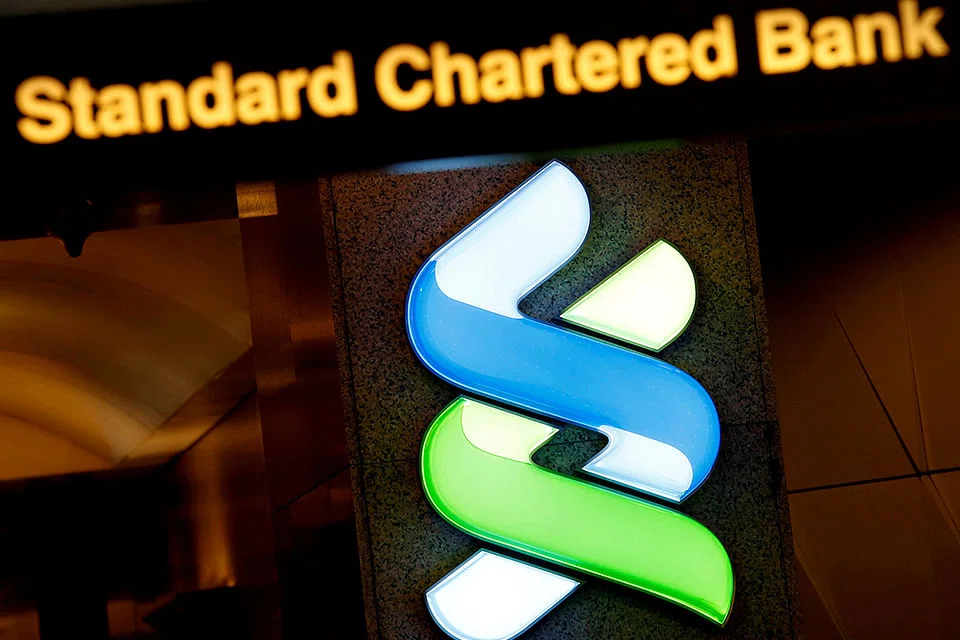
[SINGAPORE/LONDON] Standard Chartered plans to cut half of its existing office space in Singapore's financial district, according to people familiar with the matter, in what is set to be the biggest floor reduction by a bank in the city-state in recent years.
The London-based bank is giving up 9 of the floors it leases at Marina Bay Financial Tower 1 in the business district, according to the people, who asked not to be identified as the information isn't public.
Bloomberg previously reported the bank was considering slashing its office space by at least 4 floors.
With the downsize, bankers may not have their own desks and could have to reserve their spots before coming to the office, the people said. The lender's current lease expires in October this year, one of the people said. "With 80 per cent of our Singapore-based employees adopting flexible work arrangements, we are reinvesting in and refreshing our premises to create a more open, conducive and collaborative environment," a Standard Chartered spokesperson said.
Singapore is a critical global hub for the bank and it retains a significant presence in buildings in the city, including Marina Bay Financial Centre, the spokesperson added.
Banks worldwide are grappling with returning workers to offices in a bid to live with the pandemic, now in its third year. Just 3 per cent of white-collar workers want to go to the office 5 days a week, according to a recent poll, which warned employees will quit if bosses force them back full-time.
Navigate Asia in
a new global order
Get the insights delivered to your inbox.
The downsizing of Standard Chartered's Singapore workplace makes it the biggest office space cut among lenders in the city in recent years. Citigroup has already given up 3 of its office floors to Amazon.com, while Mizuho Financial Group has also cut some space.
Prime-grade office rents in Singapore's financial district rose for a third straight quarter in the first 3 months of this year, according to a Knight Frank report. Rents inched up 1.2 per cent from the previous quarter, the report said. More people are expected to return to offices after Singapore massively eased virus curbs late last month, allowing up to 75 per cent of employees who can work from home to go back.
Meanwhile, Standard Chartered is leaving 7 countries in Africa and the Middle East where it is sub-scale as it seeks to improve profits by narrowing its focus to faster-growing markets in the region, it said on Thursday (Apr 14).
The bank will fully exit Angola, Cameroon, Gambia, Jordan, Lebanon, Sierra Leone and Zimbabwe, likely by trying to sell its business in those markets.
It will also close its retail banking operations in Tanzania and Ivory Coast to focus solely on corporate banking.
The move marks a major shift for Standard Chartered, which has been among the biggest European lenders to invest in the continent in recent years at a time when peers have been withdrawing.
The cuts would allow it to focus on bigger and faster growing economies in the region, such as Saudi Arabia where it has opened its first branch, and Egypt.
Prior to the announcement, Standard Chartered operated in 15 African markets and 10 in the Middle East, employing around 15,000 staff, a major presence that had made it "unique among global banks" in the region, according to Citi analyst Yafei Tian.
But the complexity of operating at that scale left the bank with a comparatively high cost to income ratio of 74 per cent, which exiting sub-scale markets will help to improve, Tian said.
The markets being cut generated just 1 per cent of total income in 2021 and a similar proportion of profit before tax, the bank said. Standard Chartered is currently present in 59 markets overall and serves clients in a further 83.
It did not immediately comment on the number of job losses as a result of the cuts.
Standard Chartered shares rose slightly on the announcement, up 0.6 per cent against a flat FTSE 100 index.
Standard Chartered joins the ranks of other global players to reduce their presence in Africa in recent years as they struggle to reach scale compared with incumbent locals.
It has pursued a strategy of investing heavily in digital banking in Africa but found it hard to translate customer acquisition into steady profits.
Barclays sold its African unit in 2016, ending its 90-year presence on the continent, while Credit Suisse pulled out of its wealth management business in 9 African countries this year.
The economy in Sub-Saharan Africa, home to many of the poorest nations on earth, has contracted sharply during the pandemic and has struggled to recover compared with developed economies.
The International Monetary Fund predicted in October that the region's economy would expand by 3.7 per cent-3.8 per cent this year and last - the slowest recovery relative to other regions around the globe.
Some lenders are still scaling up in Africa, with Deutsche Bank saying last year it will expand its private bank in the region. BLOOMBERG, REUTERS
Decoding Asia newsletter: your guide to navigating Asia in a new global order. Sign up here to get Decoding Asia newsletter. Delivered to your inbox. Free.
Share with us your feedback on BT's products and services

