Systemic crisis in the cryptocurrency world resembles the Panic of 1907
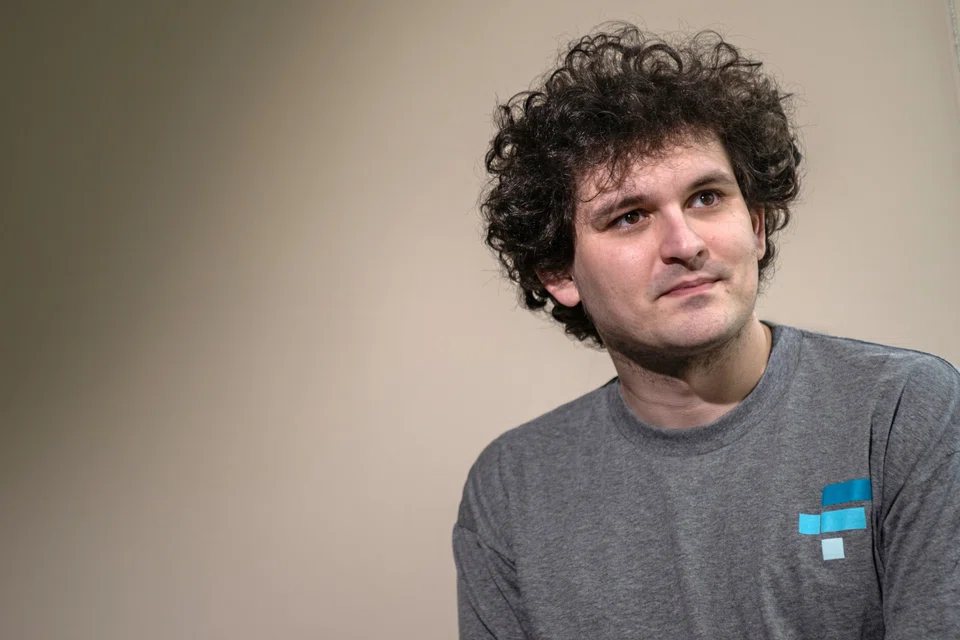
A young shaggy-haired American man called Sam Bankman-Fried is attempting to do what the late John Pierpoint Morgan did back in 1907, and save an entire financial system. Only this time, it’s the cryptocurrency world, not Wall Street banking.
The most destructive financial crises are caused by “contagion,” the kind of abject panic to which human nature is so susceptible.
First comes the crash in asset prices - in this case, selloffs of 40 per cent and more for bitcoin and other cryptocurrencies in the early summer, as the US Federal Reserve started raising rates. Then comes a breakdown in markets. This happened in early May when TerraUSD, a so-called stablecoin whose value was supposed to stick fast to a dollar, plummeted to 10 US cents.
TerraUSD was linked to another cryptocurrency called Luna by a complex algorithm that was supposed to make slight adjustments to the supply of the latter in order to keep Terra stable, said Eli Ndinga, the head of research at cryptocurrency investment firm 21Shares.
“People lost confidence and faith in the whole Luna ecosystem, and obviously that created a death spiral,” he said.
Next, institutions overexposed to the malfunctioning markets start to fail. This is the “blowup” phase. A multibillion dollar hedge fund Three Arrows Capital, which had invested heavily in Luna, has been in trouble for weeks, and it was finally forced into liquidation on Thursday (Jun 30).
Next is the domino effect, as exposure to the failing institutions threaten the next in line. Voyager Digital, a brokerage, recently warned that it had a US$660 million exposure to Three Arrows.
Finally, market participants go into self-preservation mode, causing a complete breakdown in trust that threatens the financial system. That’s the brink where cryptocurrency markets find themselves on today.
It’s called “systemic risk” and it’s generally only addressed by a grand intervention restoring confidence. A domino effect started by the stock-market crash in 1929 almost brought down the banking sector, until then US president Franklin Roosevelt stepped in with a mandatory holiday acting as a circuit breaker.
The Fed came to the rescue of modern credit markets in 2008, making sure that Lehman Brothers was the last cornerstone of the system to fall.
The systemic risk in cryptocurrencies most resembles the Panic of 1907, however. During that bout of contagion, there was no prospect of relief from regulators or the federal government. After a series of bank failures sparked by a commodities crash, JP Morgan pumped millions of dollars of his own money into rival brokerages, and strongarmed other bankers into doing the same.
The dominoes are still falling in crypto markets, but fortunately, there’s a decentralised, digital-age version of JP Morgan.
Enter Bankman Fried, a 30-year-old computer whiz who has made an estimated US$21 billion as the founder and chief executive of FTX, one of the world’s largest exchanges. The man also known by his initials “SBF” is determined to save the very system that made his fortune.
He anticipated the dominoes in the “DeFi” world. Firms such as Celsius Network advertised themselves as “decentralised finance”, or alternatives to conventional banks. They essentially borrowed and lent out cryptocurrencies, offering unsustainable yields based on the torrid price gains that were considered the norm for so long.
As cryptocurrencies crashed in the wake of the shock from TerraUSD and Luna, Celsius abruptly froze all client accounts. Bankman-Fried realised that, if Celsius’ many rivals followed suit, the entire crypto universe could disappear into a black hole.
Like Morgan did over a century ago, Bankman-Fried acted swiftly, lending Voyager Digital US$485 million, and Celsius rival BlockFi US$250 million.
“I do feel like we have a responsibility to seriously consider stepping in, even if it is at a loss to ourselves, to stem contagion,” he said in a recent interview with National Public Radio.
The systemic risk has not passed. Shares of Coinbase Global, the largest publicly-traded crypto exchange, are reaching dangerous lows after analysts at brokerage Goldman Sachs warned that even laying off almost 20 per cent of the company’s staff would not be enough to compensate for the near halt in trading activity that has followed the panic. Bankman-Fried himself admits that some crypto exchanges are likely to go under.
Ndinga of 21Shares noted that, as during other major financial crises, there remains a lot of leverage, or borrowed money, in the cryptocurrency system. The opaque nature of cryptocurrency markets means that some big players may have exposure to troubled DeFi firms like Celsius without anyone knowing yet.
One group operating with borrowed money from DeFi firms are miners of bitcoin and ether. Miners often hold reserves of the cryptocurrencies that they earn for their computing work, and they could cause more ructions in bitcoin markets if they are forced to sell because of “margin calls.”
It was during the financial panics that the great “bear” investors first made their name on Wall Street. According to a Bloomberg report, short-sellers have built up hundreds of millions of dollars in bets against Tether, a digital coin that, like TerraUSD, was designed to mimic the performance of the US dollar.
Tether is still clinging to the dollar peg. In the past, the Fed and other central banks have raised questions about the quality of the collateral.
If Tether - which, at US$68 billion is several times the size of the TerraUSD market - becomes untethered, then it is doubtful if Bankman-Fried alone can rescue the cryptocurrency financial system from collapse.